

- text and edit by
- Atsuro Iizuka
Iizuka loves drinking at home.
There is an Everyday Low Price OK next to the company, where I buy ingredients and drink at home.
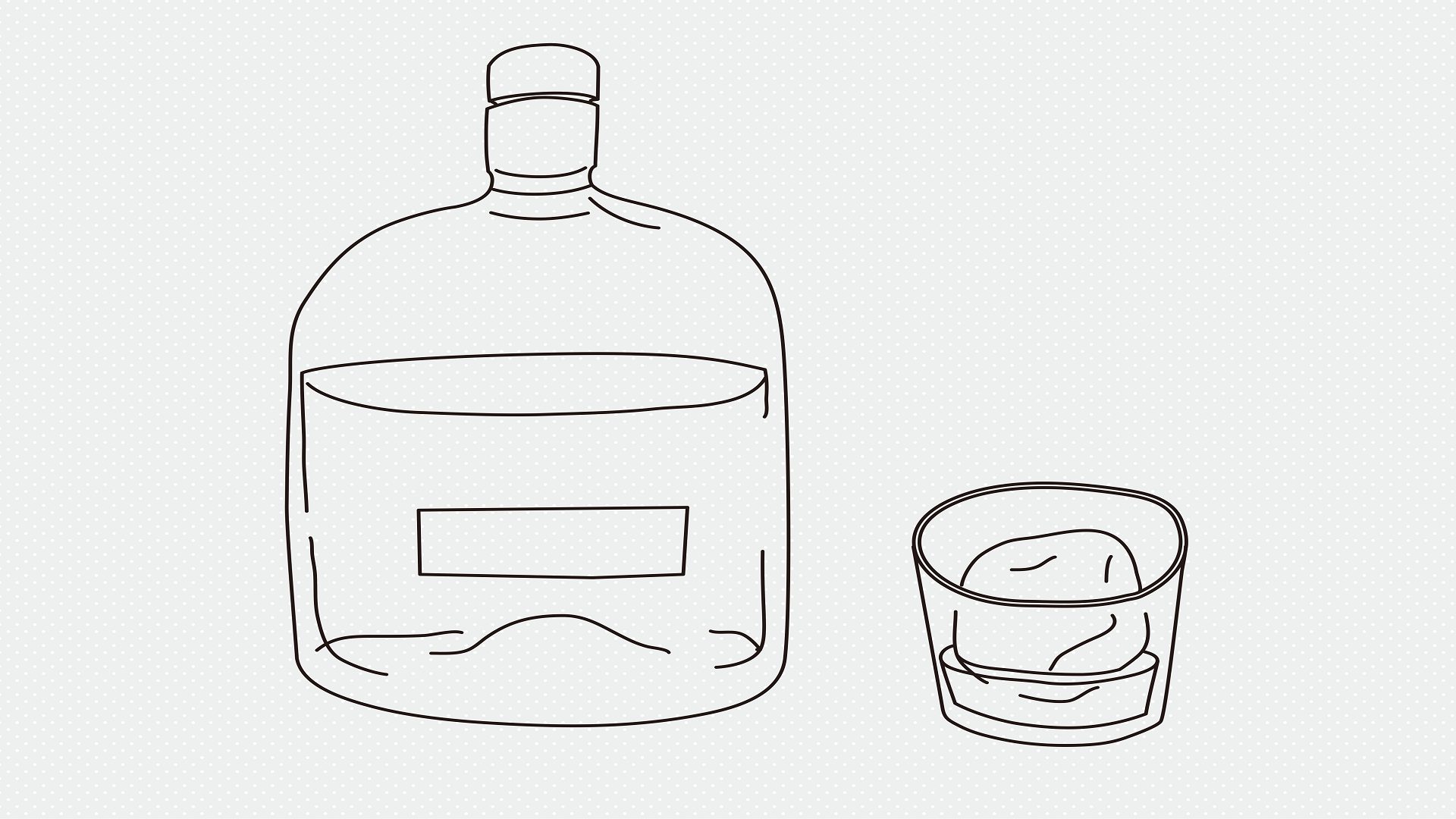
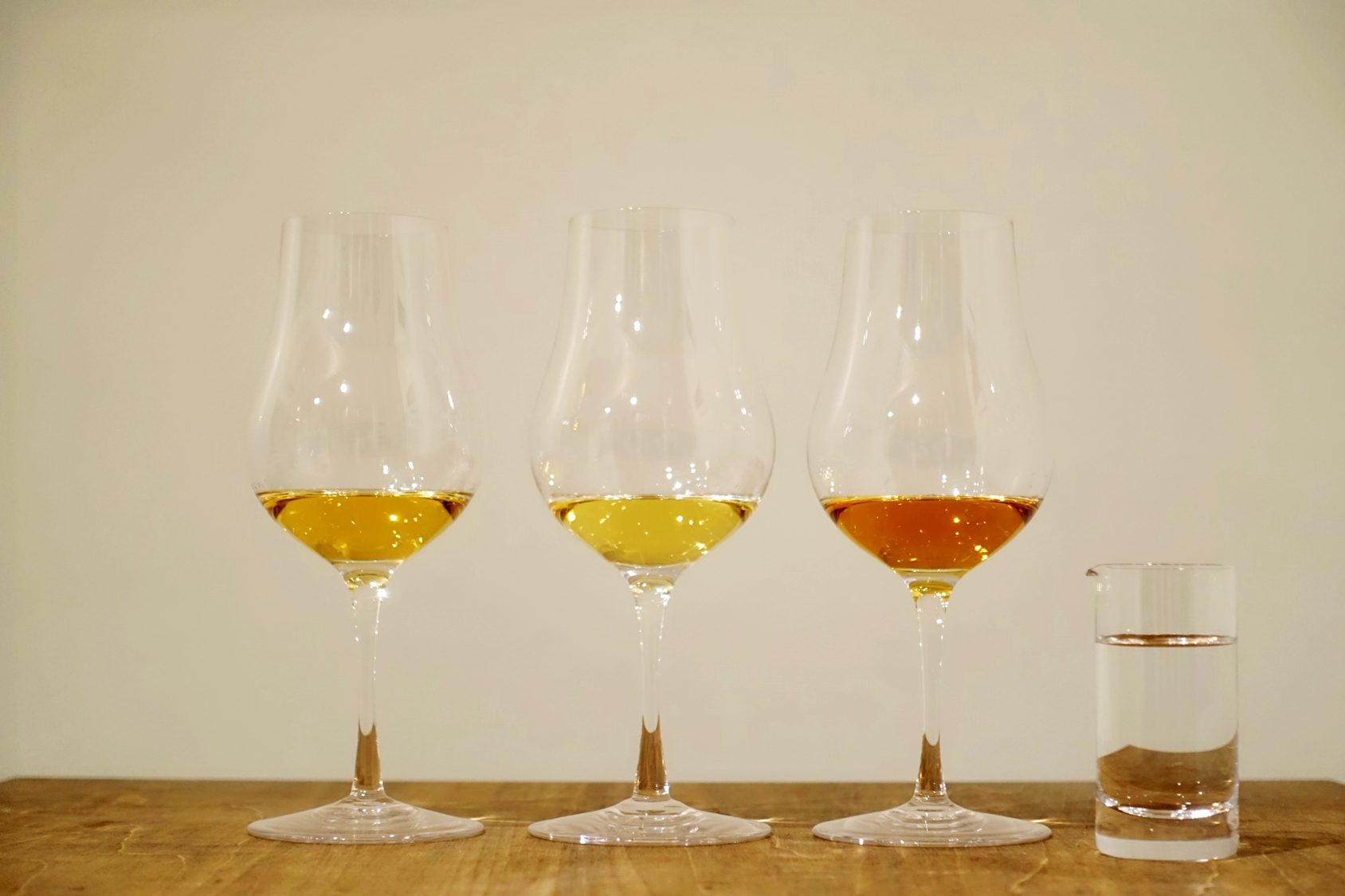
Did you know that there are two notations for whiskey, one of my favorite liquors?
“Whiskey” and “Whiskey”
is.
The difference between whether the last word is “ky” or “key” is actually an important difference in notation that indicates the origin of the whiskey.
There are two theories about the homeland of whiskey, Scotland and Ireland, and its origin is still unknown.
Among them, there are various theories as to why the spellings were divided, but in order for Ireland to appeal the superiority of its own whiskey, the initial letter "E" of Ireland (Éire in Irish) was included in the spelling, and the notation was different. There is a theory that the
Scotch whiskey is 'Whiskey' and Irish whiskey is 'Whiskey'.
So which one is Japanese whiskey?
An important figure in Japanese whiskey making is Masataka Taketsuru, who became famous through the NHK morning TV drama "Massan." Taketsuru went to Scotland to study whiskey making. As such, Japanese whiskey has its roots in Scotland.
So the spelling is...

It becomes "Whiskey". If Taketsuru had studied in Ireland, the notation of Japanese whiskey might have been different. (In the first place, Scotch and Irish have different manufacturing methods, so the taste may have changed as well.)
By the way, if you look at American whiskey, which is famous for bourbon,

The notation is "Whiskey".
This is because many of the founders of American distilleries were from Ireland.
From the spelling written on the bottle, you can see the roots of the whiskey.
Everything in the world, not just whiskey, has its history and a little bit of trivia. I feel that such a small story will be a powerful tool to convey the charm of the thing to many people.
A full-fledged explanation can be painful to listen to for those who are not interested, but it will not be so if it is only a small story. I think it's a necessary skill as a planner to look at that balance and control the granularity of introductions.
We will continue to collect small stories so that the charm of the theme can be used in spatial expression in a form that is conveyed!
Illustrated by Yuka Iyama

Like this article?
- editor
-
-
love messenger
the road is endless