"River City 21 Shinkawa" New Value Creation Strategy for the Common Areas of the Apartment Complex
2024/06/27- share
-


- text and edit by
- Hiromi Haruna
My name is Haruna and I work in the Brand Communications Department.
I usually work in the Brand Management Department, where I am in charge of managing social media (X and Instagram), the corporate website, and branding initiatives.
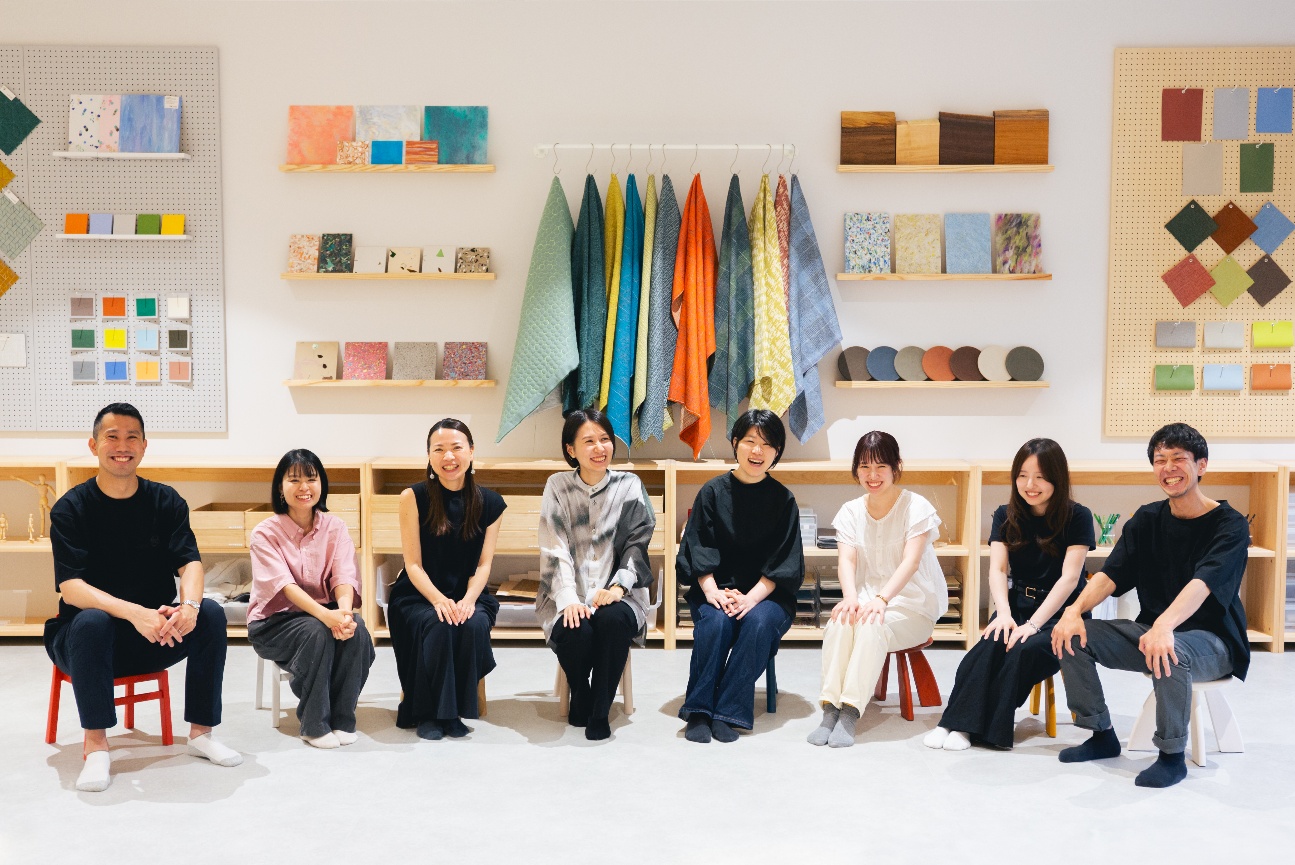
This time, after participating in an eco-art experience event at River City 21 Shinkawa, we heard from members of the value-up project for Riverside Residences "River City 21 Shinkawa," a 505-unit rental apartment complex with a stunning, open view, about the new charms of this residence.
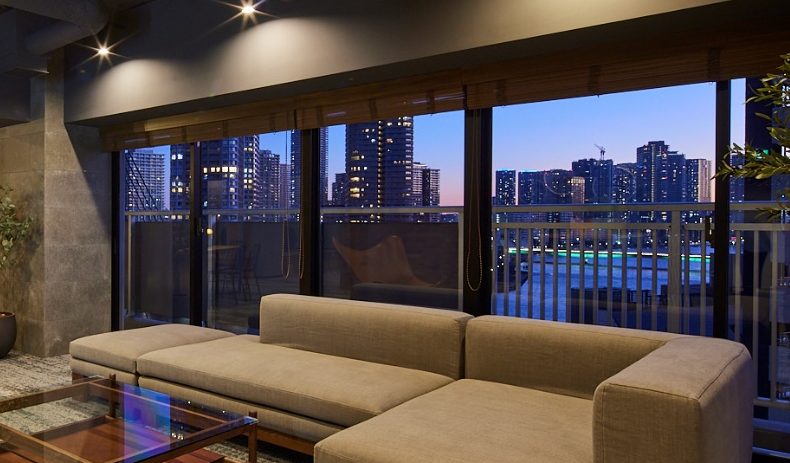
River City 21 Shinkawa is located in a natural location facing the Sumida River, a 7-minute walk from Hatchobori Station on the Tokyo Metro Hibiya Line and JR Keiyo Line.
The Chuo Ohashi Bridge, which spans the foot of the apartment building, is lit up at night and is known as a landmark of the Tsukuda area. A promenade has been built along the Sumida River, making it a popular place of relaxation for local residents, who come for walks, jogging, and more.
A value-up plan that “suits the times”
The common areas of River City 21 Shinkawa, which was completed in 1995, have been renovated to add value and reopened on January 1, 2023.
NOMURA Co., Ltd. was responsible for the research, planning, basic concept, design, sign and graphic design, design supervision, fixture production, and production and interior construction.
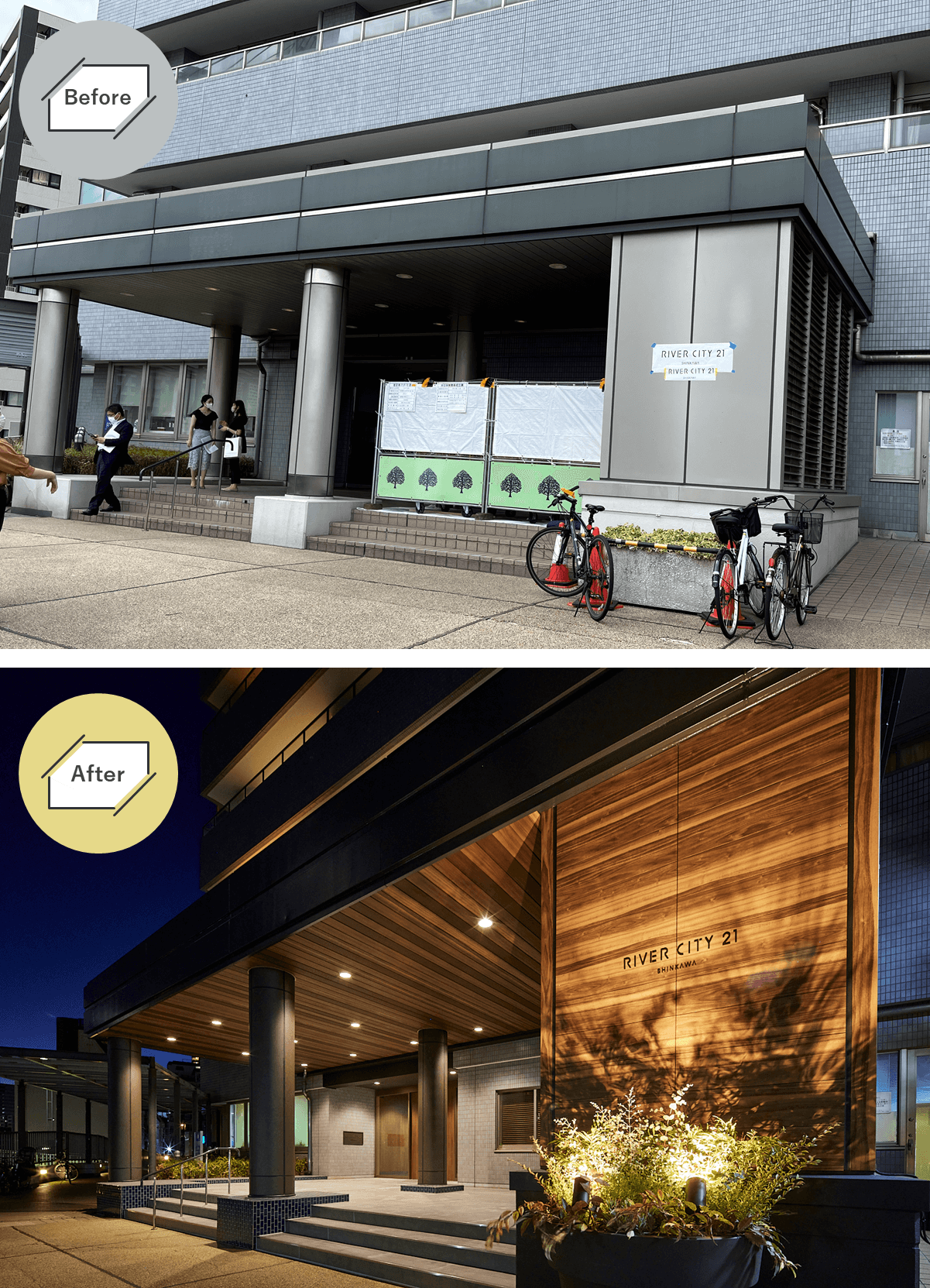
Taking advantage of the robust, timeless structure of a large complex and its high architectural potential, which is made up of simple designs, we designed the space with a "heritage" design concept. We created a residential space using wood materials and lighting that give off a sense of solidity that matches well with the building.
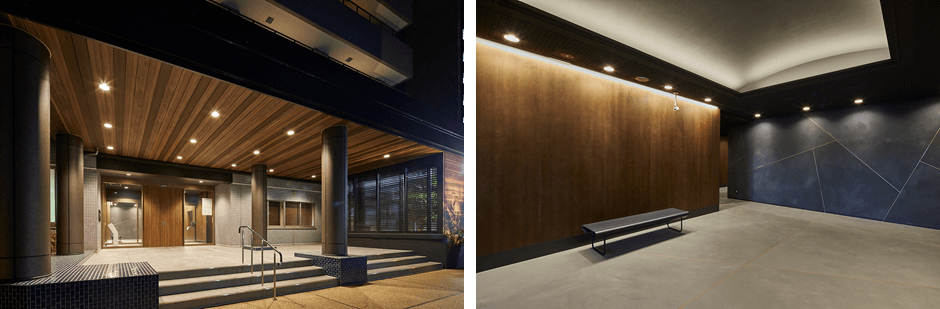

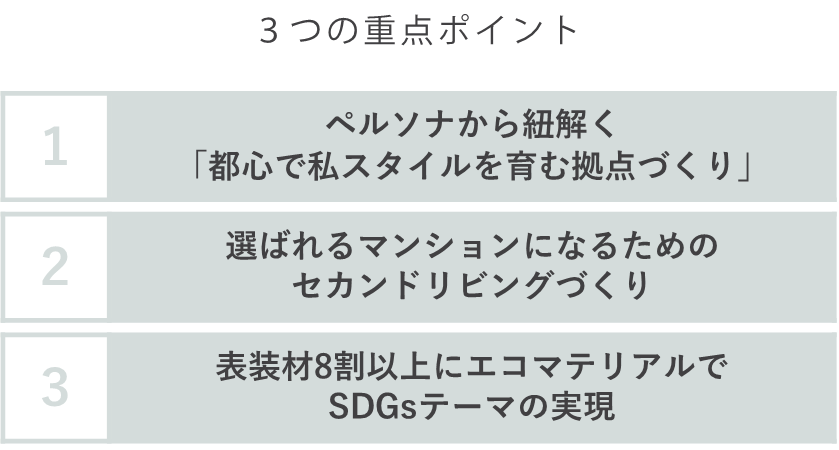
1. Unraveling the Persona: "Creating a base for cultivating personal style in the city"
We designed the functionality while considering the style of the people who live there and their reasons for living there.
The apartments are available in a wide range, from 1R/1K plans for singles to 2LDKs. The most common type is the 1LDK, and since the location is in the city center and close to the financial district, we predicted that most of the residents would be working away from home or living alone.
While imagining the lifestyle of those who choose this location because they want to live in a convenient location close to work, we focused on providing the livability that is lacking in a one-bedroom apartment, the feeling of being welcomed when they return home, and the satisfaction of living here through the public common areas that they pass through every day.
2. Creating a second living space to make the apartment a popular choice
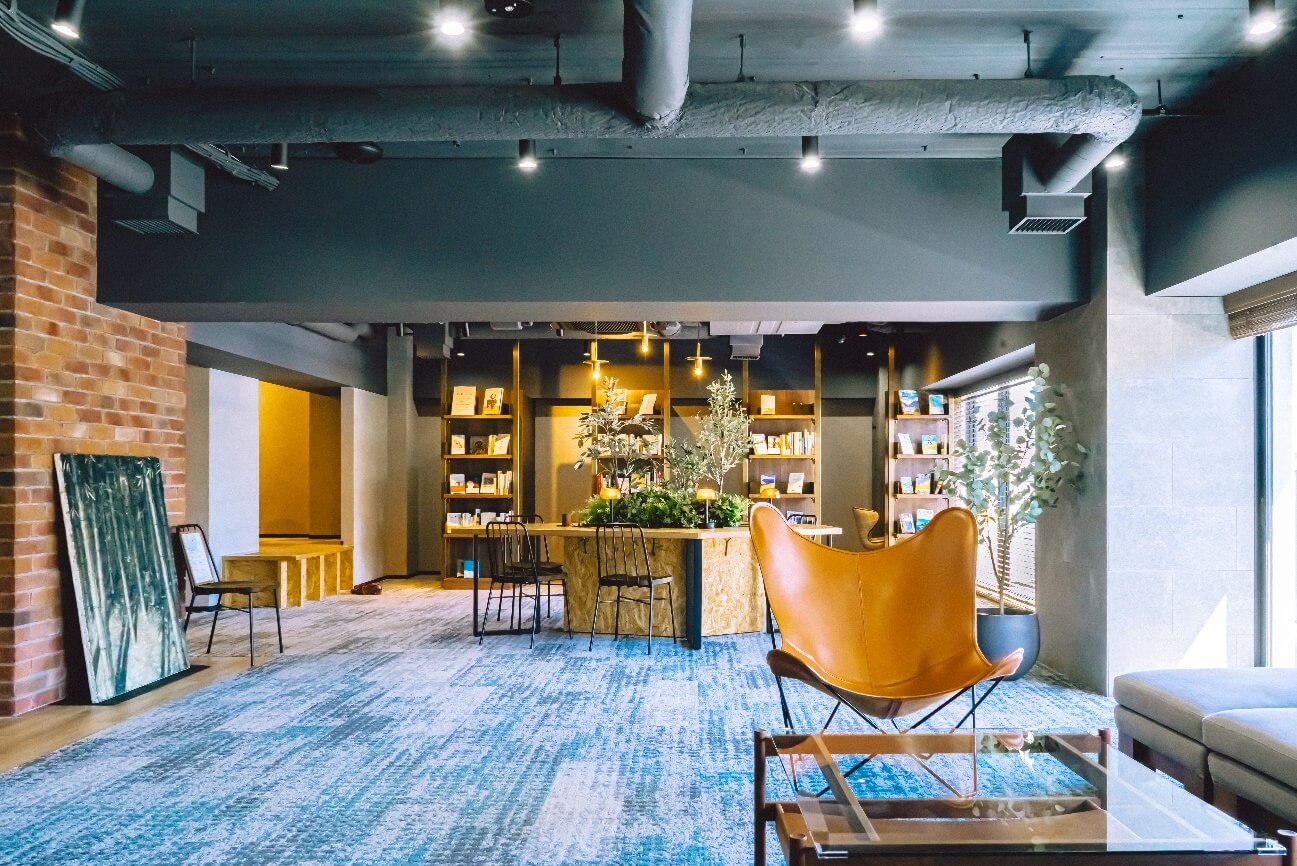
We drastically changed the layout of the meeting space, which is necessary for an apartment complex, and turned it into a lounge, transforming it into a valuable space that can be used daily by residents as a second living room.
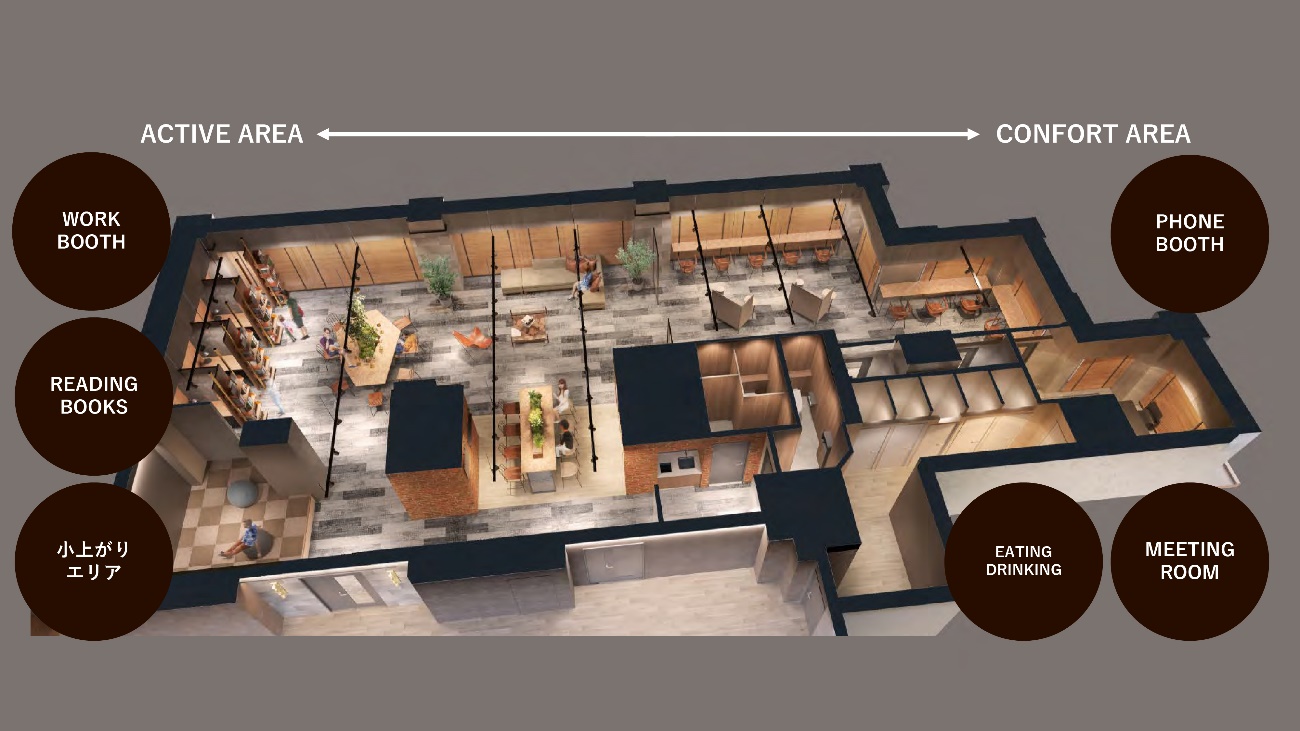
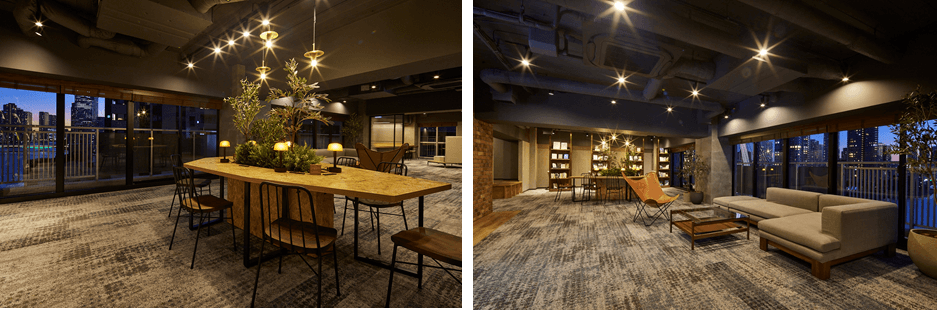
Incorporating a well-being environment and additional functions, the lounge is divided into two zones to support city dwellers.
We aimed to create a base that would improve the usability of residents working and living in an urban address.
3. Realizing the SDGs theme by using eco-materials for more than 80% of the surface materials
Of the materials used, which are suitable for heritage design, over 82% are environmentally friendly products made from recycled materials generated in everyday life.
Because it is a place to live, we adopted the material in a way that makes the most of its texture so that it can be felt with your fingertips in the lounge and entrance where residents gather.
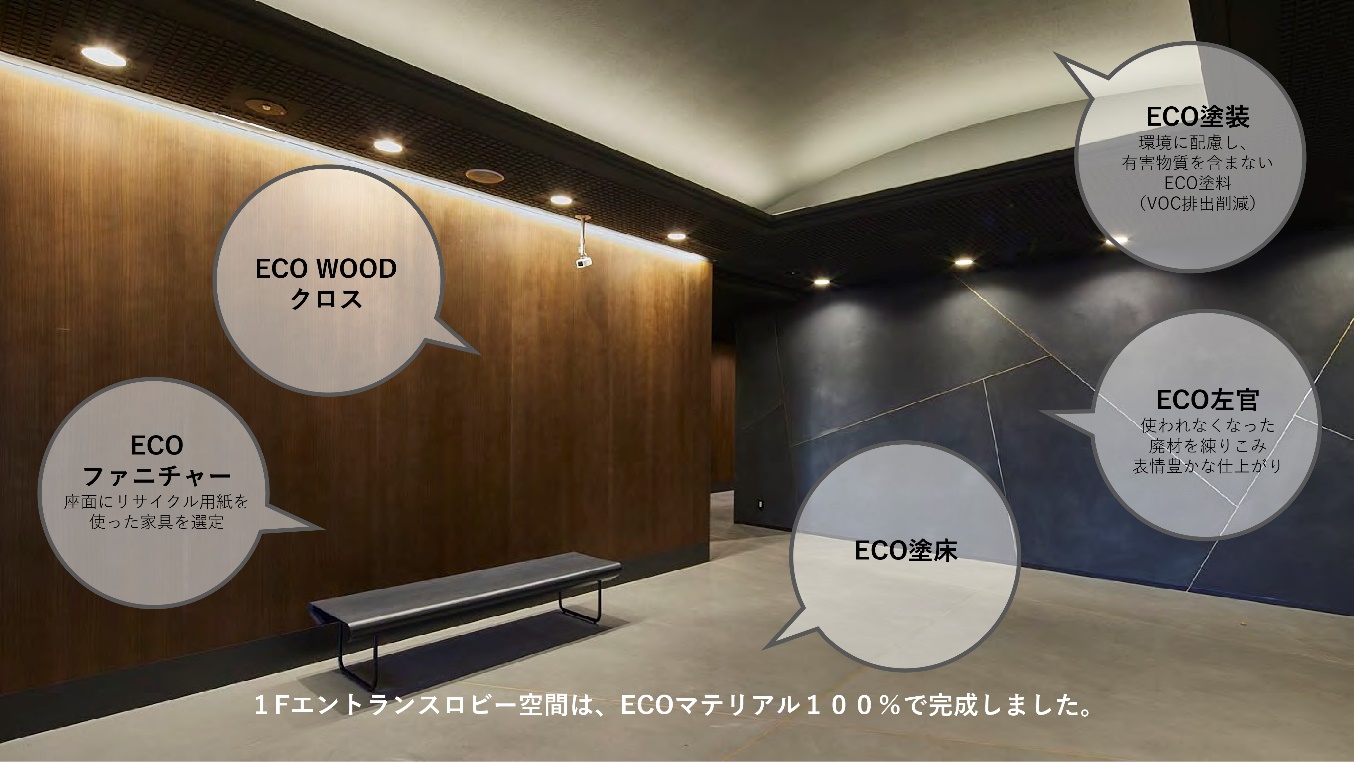
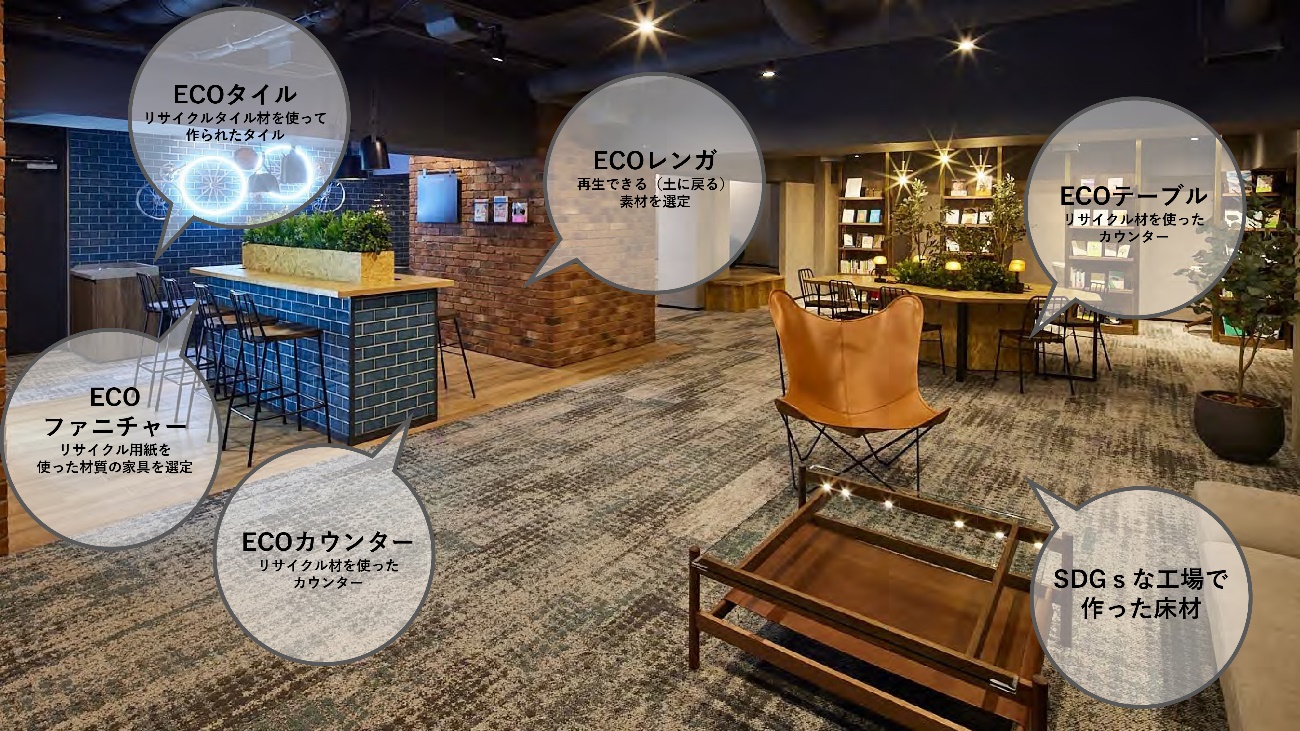
The furniture focuses on waste paper collected in Tokyo, and features benches that have been redesigned using a special compression process.
In addition, recycled materials from everyday items have been selected and designed to create a space that allows people to feel the SDGs.
(※)Eco material:
Materials that are certified as environmentally friendly materials and materials that use environmentally friendly materials
To create a better community for all residents
An eco art event will be held!
Ayami, a salvage artist, created a painting for the entrance on the first floor of River City 21 Shinkawa using salvage materials from the renovation project.
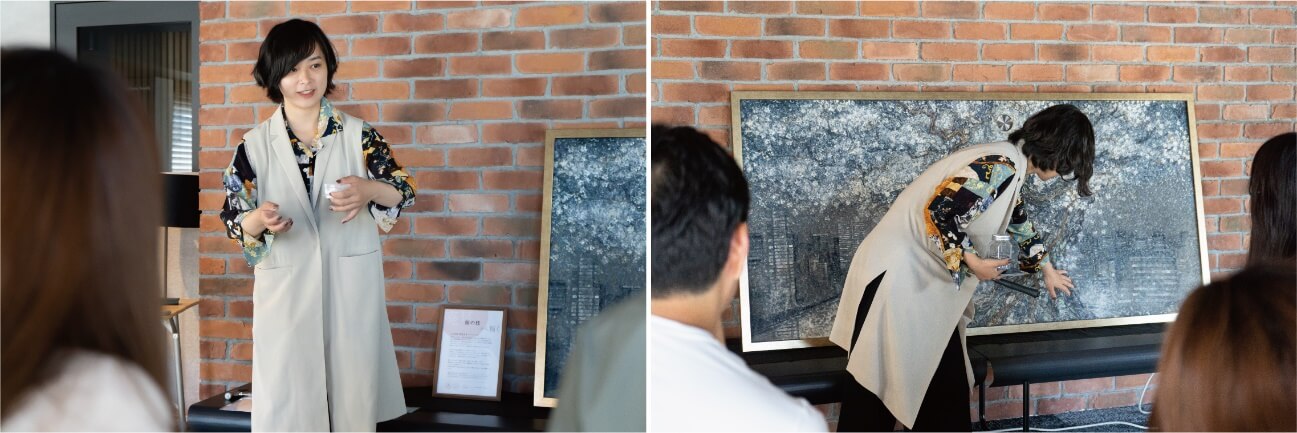
To commemorate the completion, a public unveiling ceremony and an eco-art experience event was held for the residents, which I also took part in.
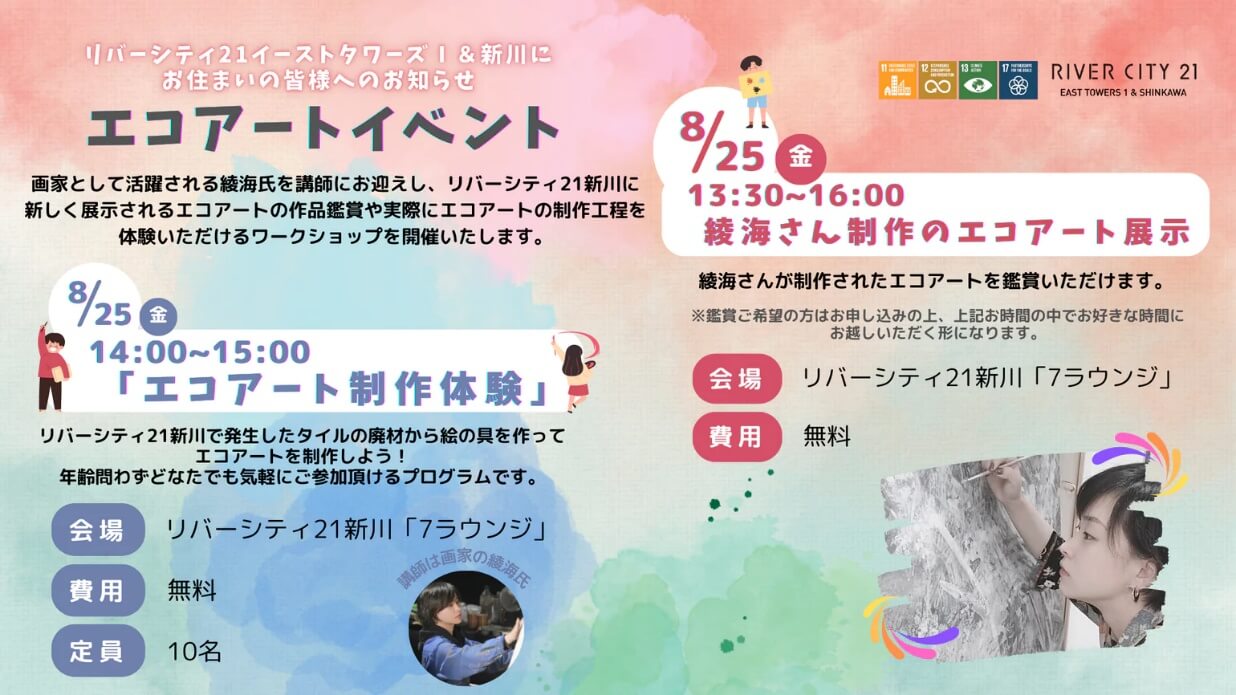

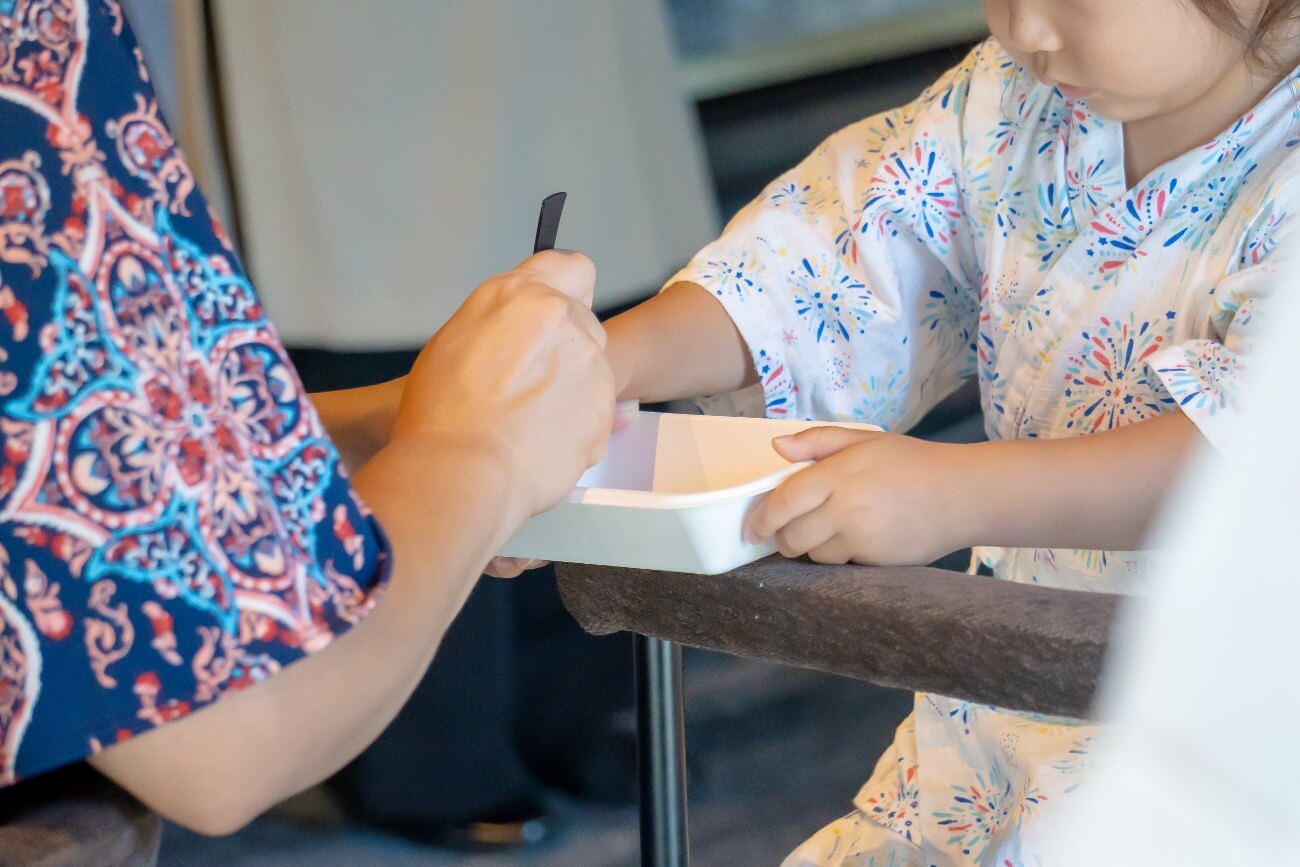
The children used waste tiles generated at River City 21 Shinkawa and mixed them with a binder to create paint, then experienced eco-art by actually using the finished paint to paint.
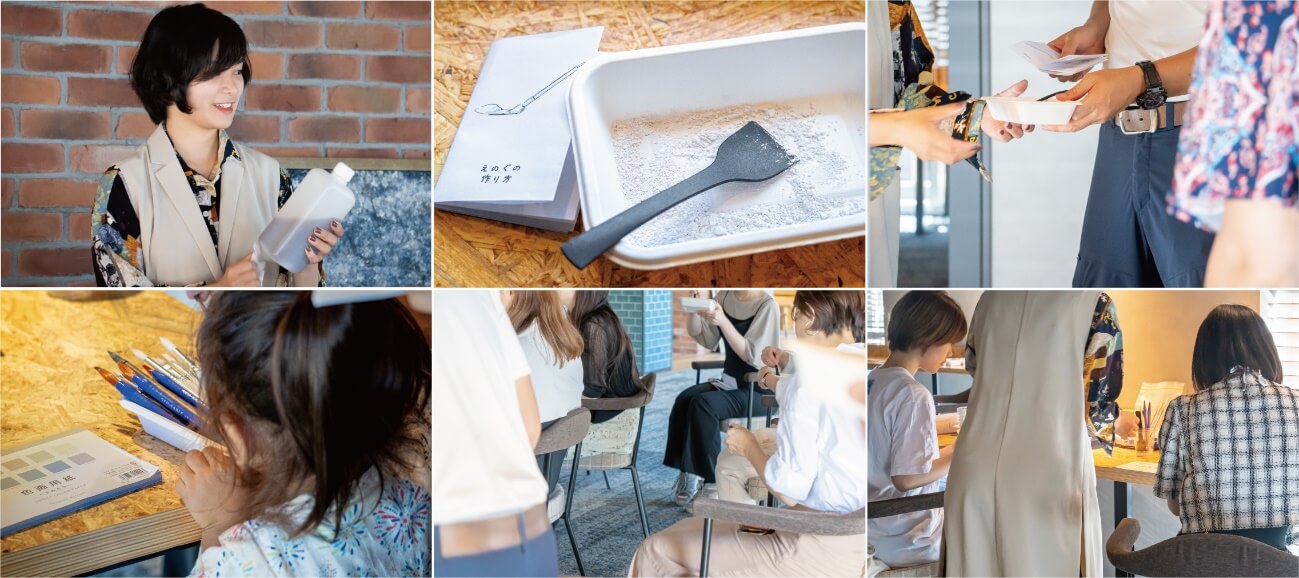
The event allowed the attendees to experience the production process while listening to a talk by Ayami about the materials used, making the visitors feel closer to the works.


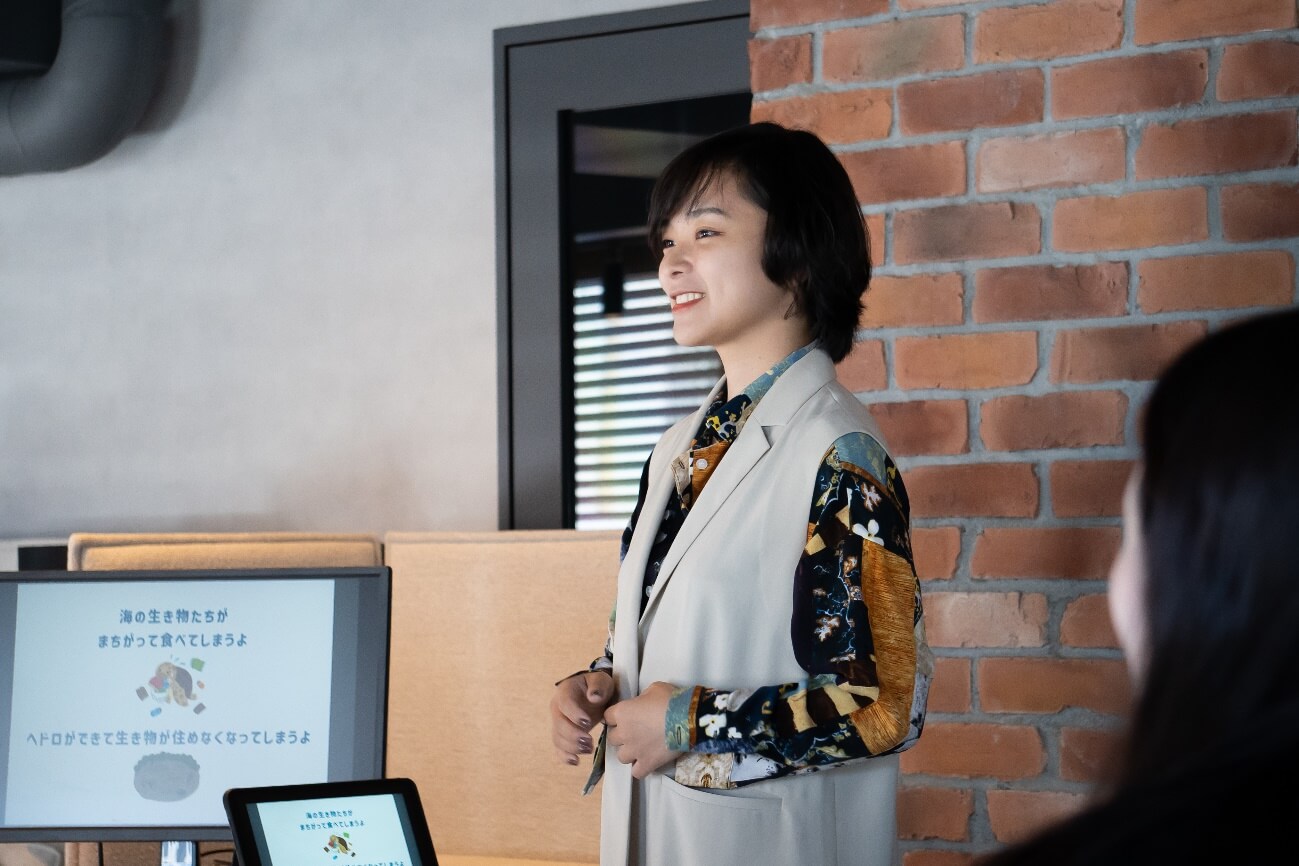
Artist: Ayami
Born in Nagasaki Prefecture. Lives in a camper van. Wherever he visits, he confronts the issues facing the region and the thoughts of the producers, and creates "artworks that make viewers think about the future" using waste materials from the area. He acts as a messenger through art, accurately conveying various issues, thoughts, and current situations to the whole country. Born in 1996
Ayami official Instagram: https://www.instagram.com/ayami_ecoart/
Eco Art "The sky is visible to the human eye"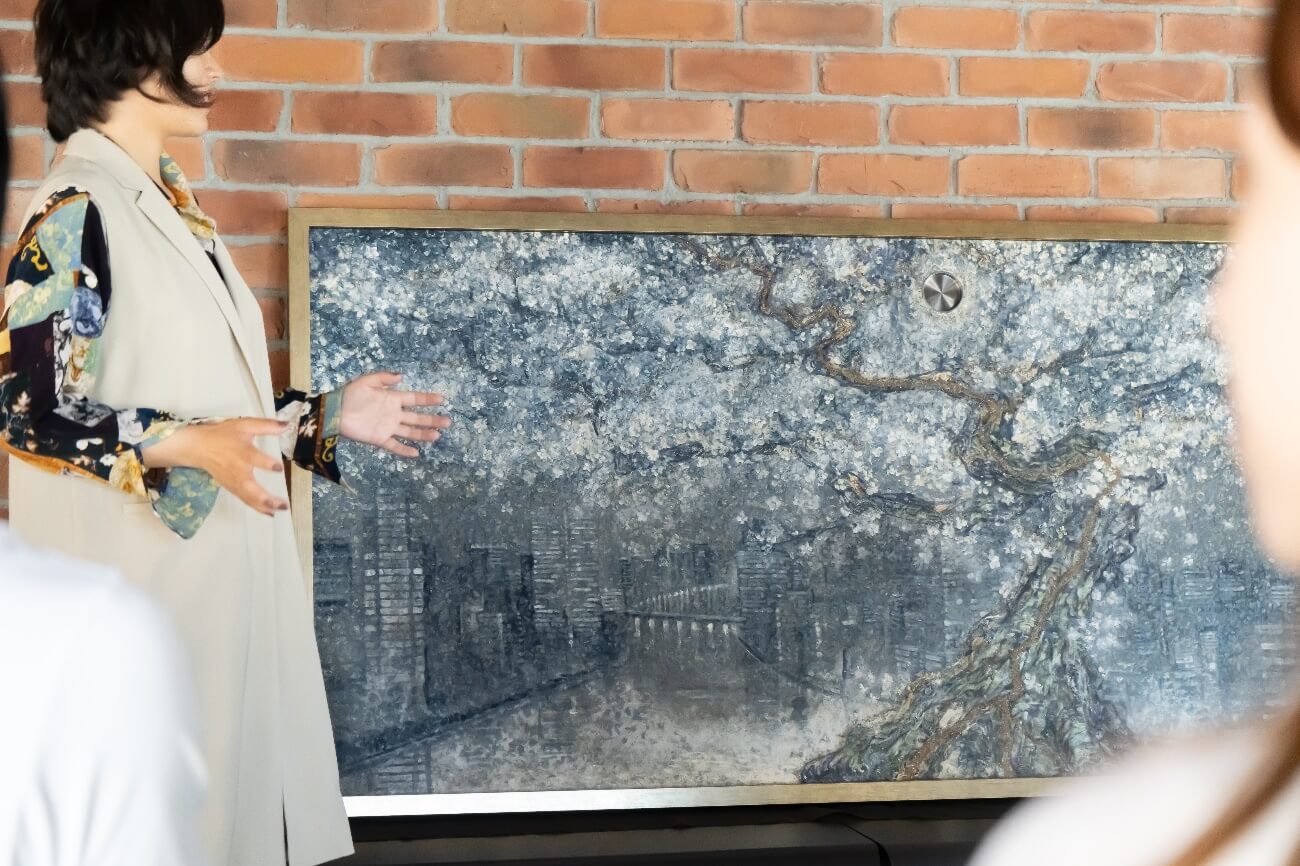
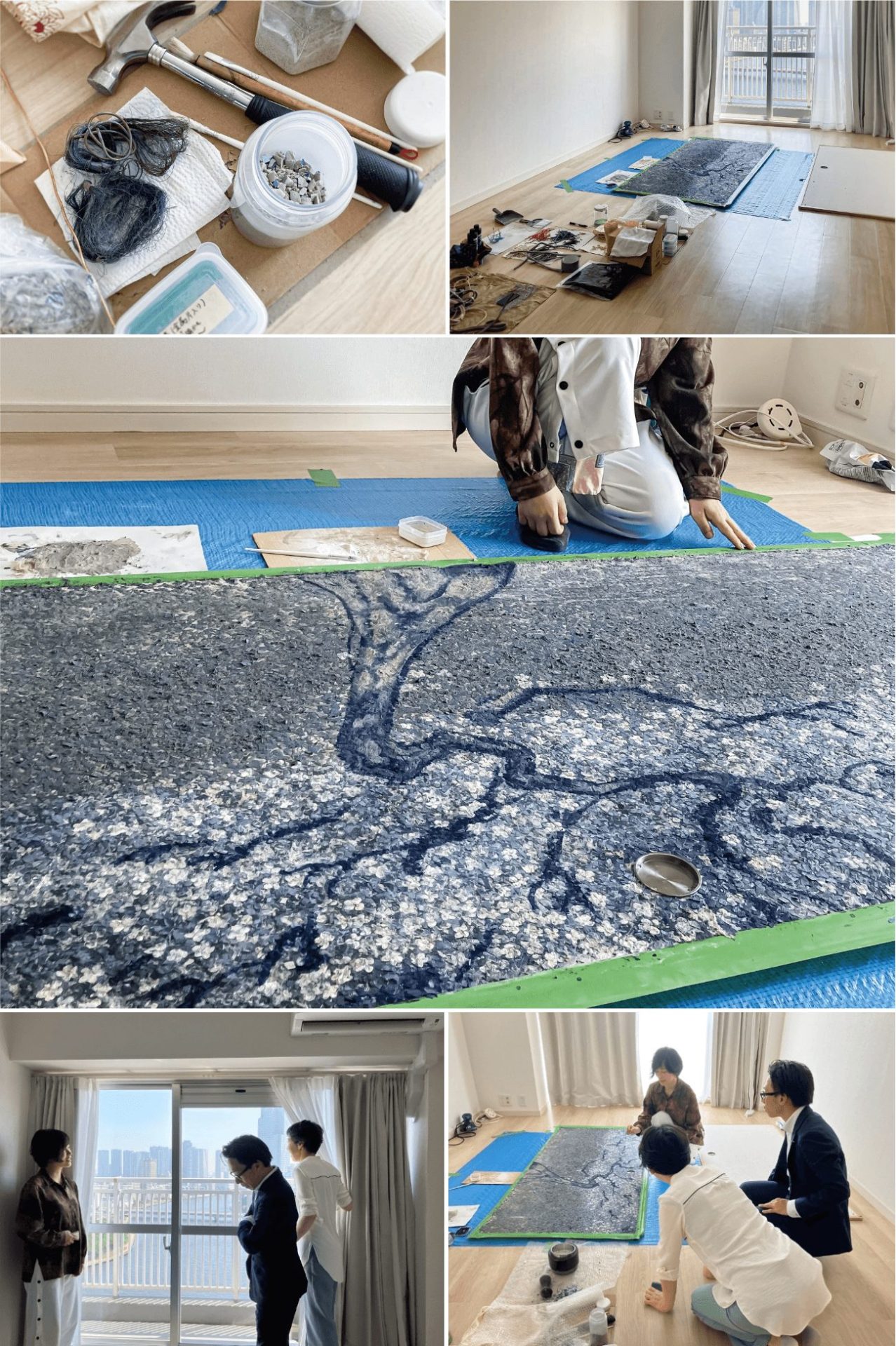
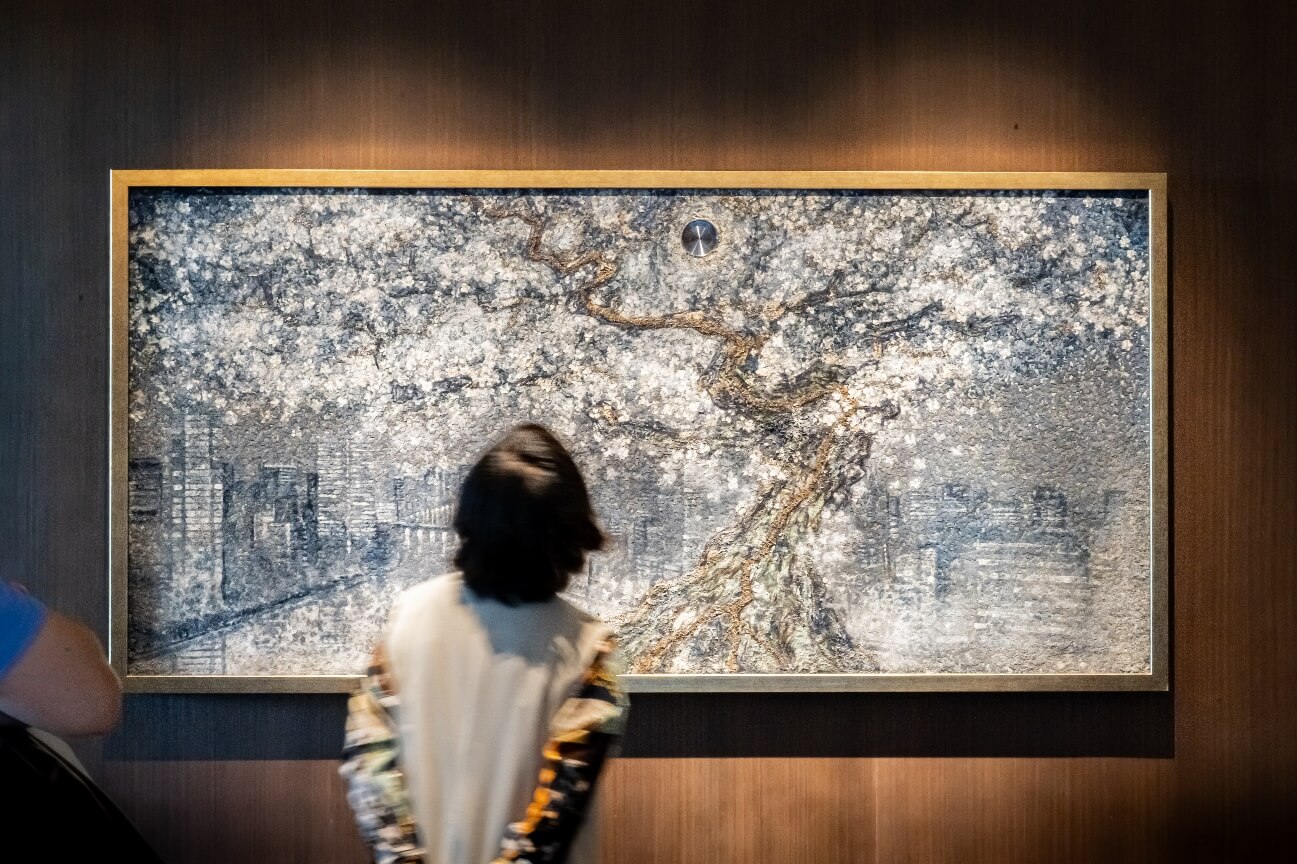
Using the Japanese-style sliding doors that were discarded during the renovation, we boiled waste materials such as wallpaper and tiles with cherry blossom branches to create cherry blossom-colored paint, and had them create art that expresses the cherry blossoms, a local resource of the Sumida River, and the flow of the Sumida River.
This piece was created while the artist was staying in an apartment on the Shinkawa River as an artist in residence, and was imagining the future of the town from the view from the window.
The title "Human eyes can see the sky" comes from the proverb "Fish eyes cannot see water, human eyes cannot see the sky."
Originally, this proverb was an analogy for how easily we notice the existence and value of things that are close to us and deeply connected to us, but it was named"I can see the sky" in the hope of a future where we pay more attention to local resources that are closer to us.
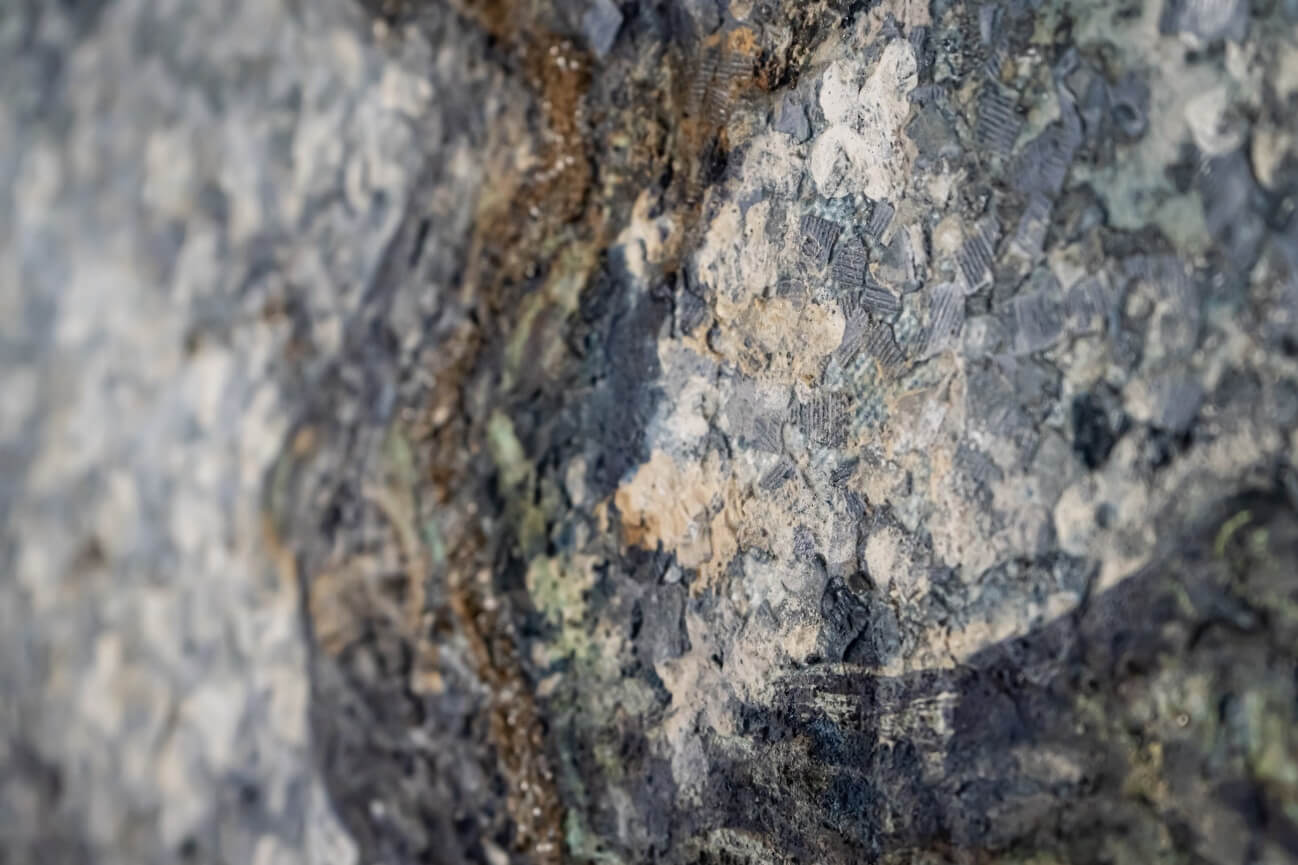
The handle of the upper sliding door is modeled after the moon. Ayami's work often features the moon, which appears after the sun has set, so she said that this represents a message to the next generation.
entrance display
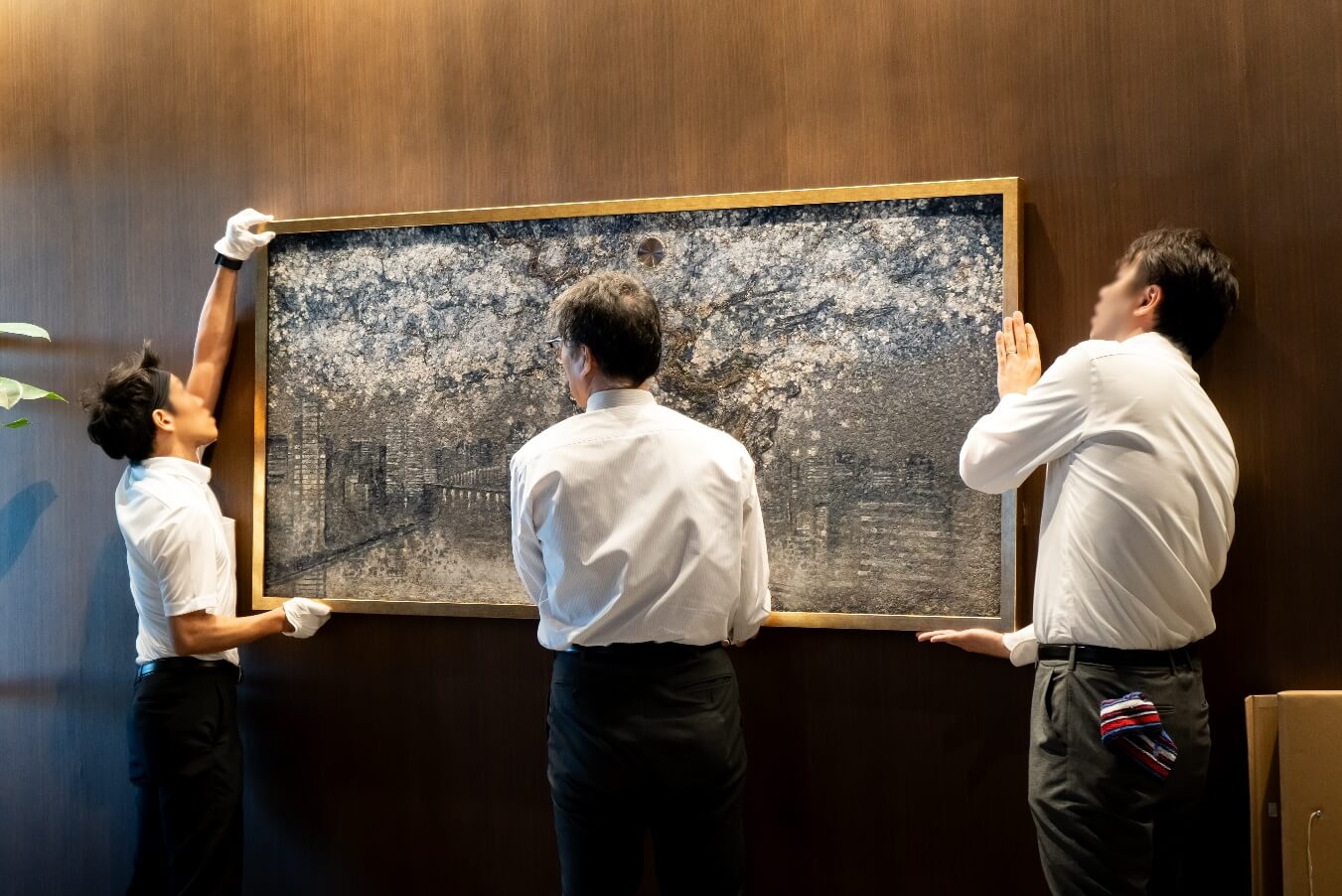
After Ayami explained the piece, it was displayed at the entrance of the residence, welcoming the residents with a large cherry blossom and moon.

From project members
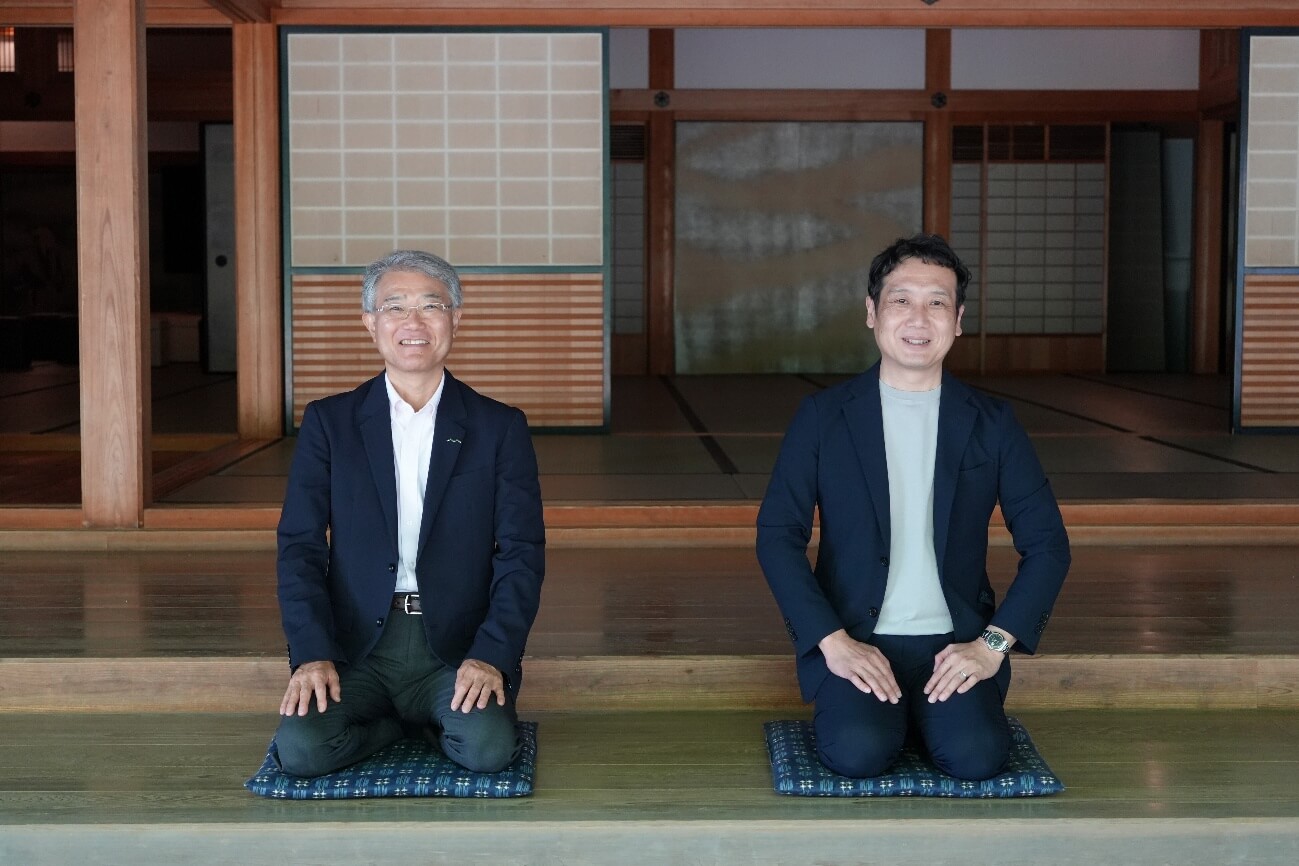
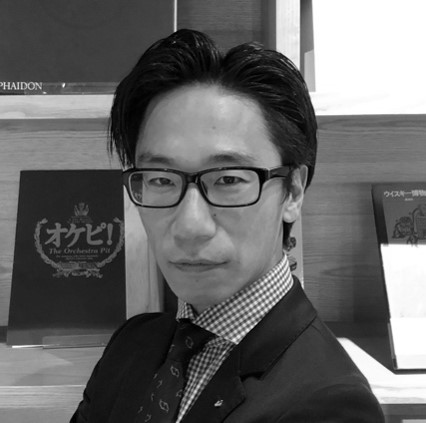 Sales: Takuya Kitai
Sales Promotion Headquarters, 4th Business Division, Sales Department 2, General Manager
The appeal of increasing the value of a space is that "effective investment allows old things to be revitalized and the lifestyle of the people who gather there to evolve. And it creates new value while passing on Japan's good old culture to the next generation."
We believe this is an appealing theme for a company like NOMURA Co., Ltd. that delivers "joy and excitement."
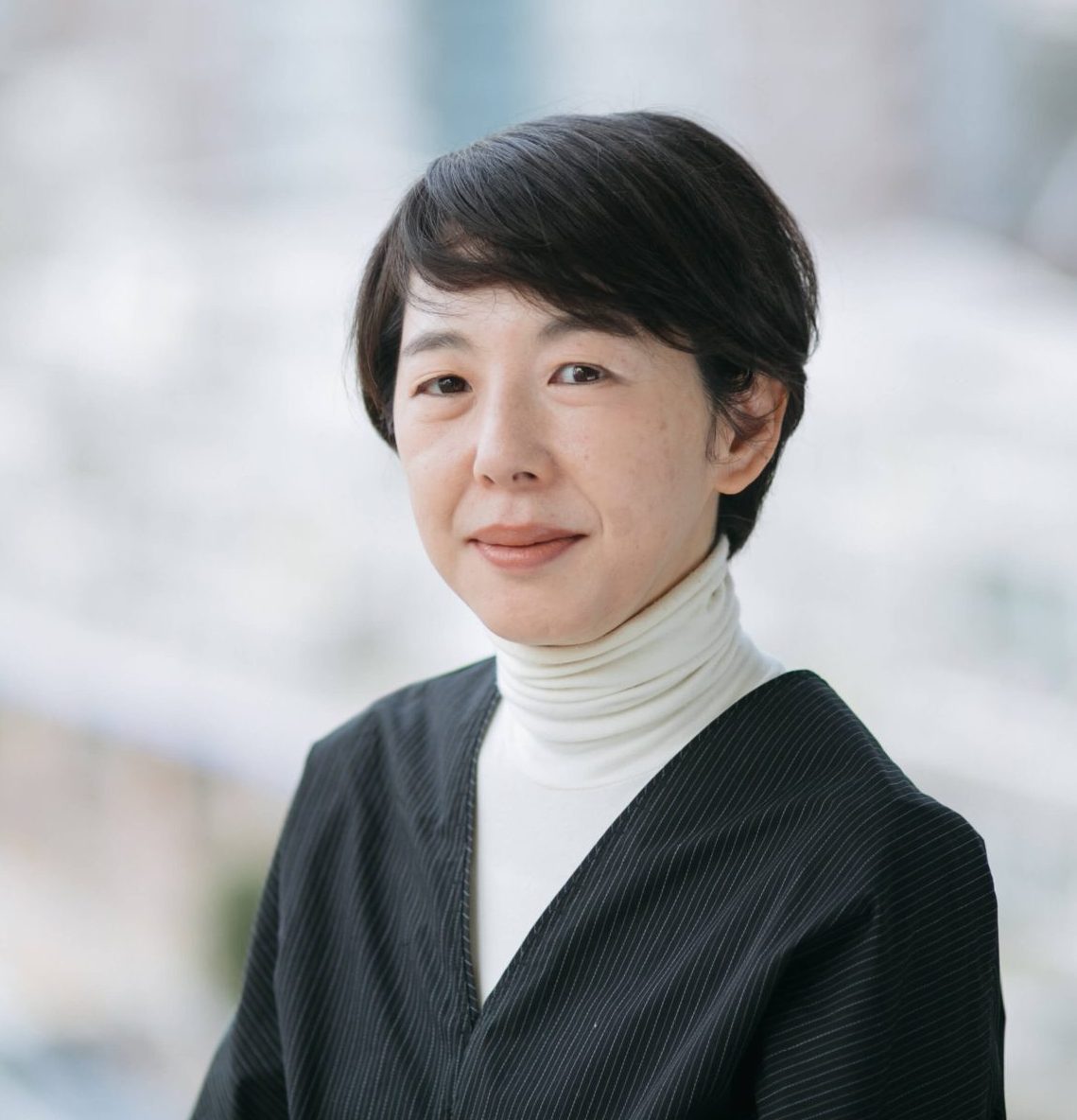
Planning: Sahoko Suzuki
Planning Director, New Field Project Development Department, Second General Affairs Division, Business Production Headquarters
When we compared the location and functions of the apartment with those of surrounding apartments in a rent survey conducted during the competition, the data analysis showed that the real estate value could be increased by increasing the value of the common areas. After winning the competition, we dug deeper into the attributes and style of the residents and their reasons for living here, and set up shared functions. We hope that by using the space, residents will develop a sense of attachment and the space will grow.
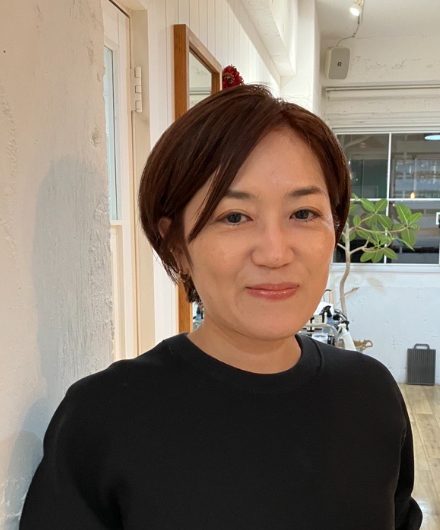 Design: Kumiko Baba
Creative Headquarters First Design Center Design Department 1 Baba Room Room Chief Design Director
Rather than rebuilding the building, we are always thinking of designs that will evolve the style of the people who use it while taking advantage of the existing uses and architectural merits. From now on, we think that the people who live here will naturally have an SDG perspective, so we featured Ayami to raise awareness and empathy. We hope that it will continue to be used as a beloved common area.
lastly
In order to realize a sustainable society, NOMURA Co., Ltd., Ltd. promotes "social good activities" that create positive impacts through its business activities.
As professionals in spatial creation, we will continue to create spaces that people will be glad to have even 10, 20, or even 100 years from now.
| ■ Facility Information | |
| name | River City 21 Shinkawa |
| location | 2-27-4 Shinkawa, Chuo Ward, Tokyo |
| access | Tokyo Metro Hibiya Line 7 minutes walk from Hatchobori Station on the JR Keiyo Line |
| Official website | https://rivercity21.com/shinkawa.html#outline |
Like this article?
- editor
-
-
Brand Communication Department
We will deliver the latest news