Nagasaki Museum of History and Culture celebrates its 20th anniversary (Part 1) A workplace that preserves the "connections" between the region and the world
2025/11/14- text and edit by
- NOMURA Co., Ltd. Facility Management Business
As a comprehensive space production company, NOMURA GROUP not only designs and constructs spaces, but also manages facilities after they open. The Facilities Business Management Department of the Business Production Headquarters comprehensively manages museums, science museums, art galleries, and other facilities, including research and curatorial departments.
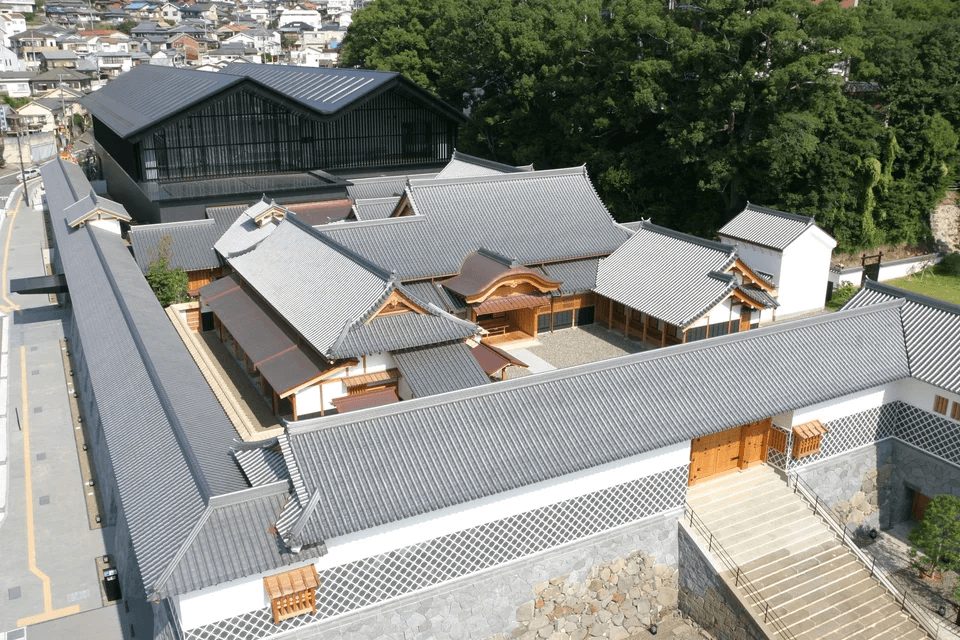
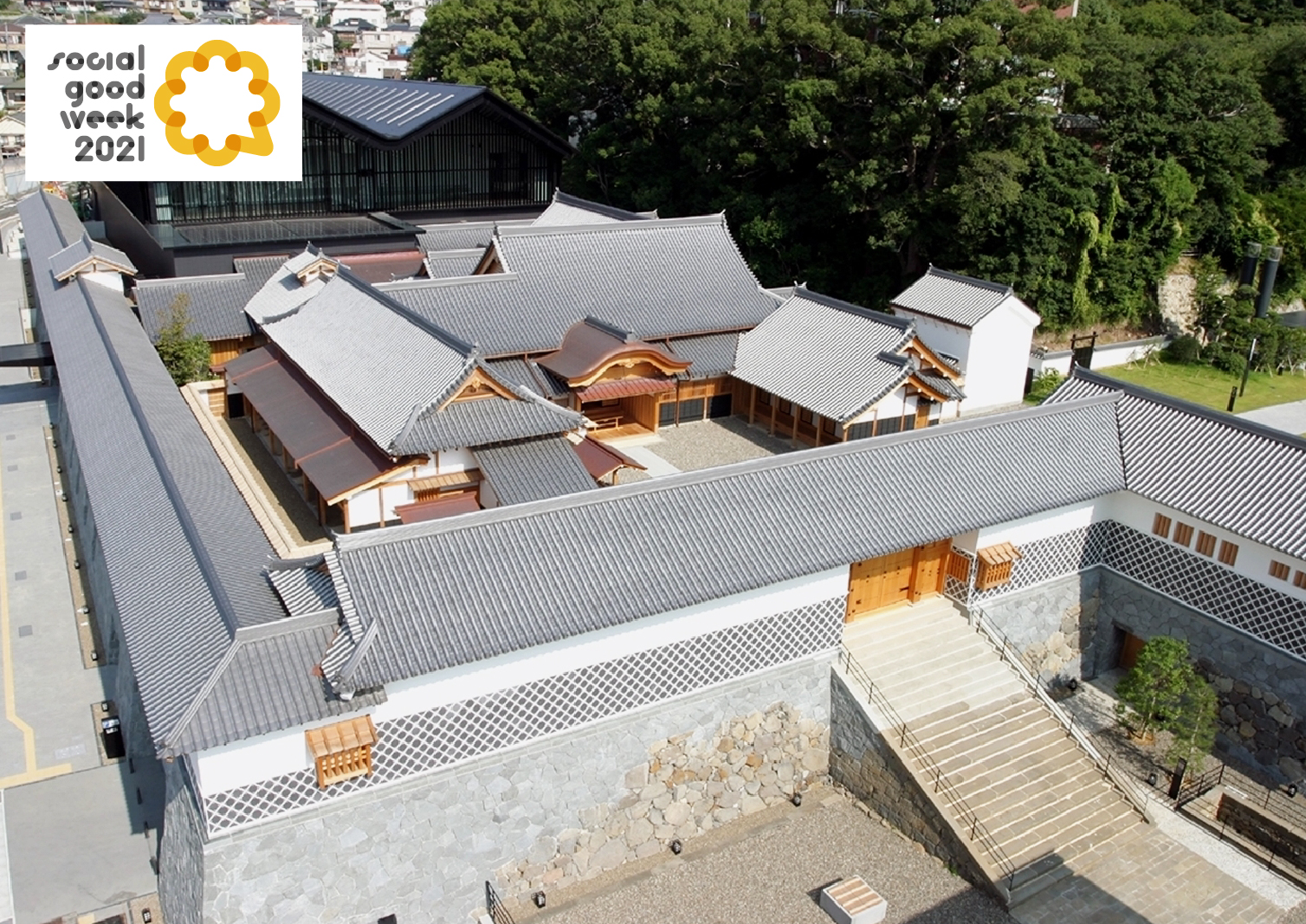
Our facility management business began with the designated management of the Nagasaki Museum of History and Culture, which opened on November 3, 2005. This article, commemorating the 20th anniversary of the Nagasaki Museum of History and Culture's opening, introduces the museum's current state and future prospects through interviews with staff and related parties in two parts.
Nagasaki Museum of History and CultureNOMURA Co., Ltd. Ltd. will be responsible for the planning, design, and construction of the exhibitions, as well as the designated management of the museum after it opens.
In the first part, we focus on the design concept of "connections" for the 20th anniversary logo mark, and introduce the "connections" of protecting precious cultural assets and passing them on to the future, the "connections" of contributing to the local community as Nagasaki Prefecture's core museum, and the "connections" that connect Nagasaki with the rest of the world through interviews with staff members responsible for each of these activities.
In the second part, we interviewed the museum and its members to discuss the role and future of Nagasaki, an international exchange city, in the local community, based on the results of an "Economic Ripple Effect Survey" aimed at visualizing the impact that the Nagasaki Museum of History and Culture has had on the local community. Through this interview, we explore the possibilities for museum activities that connect with the world and lead to the future.
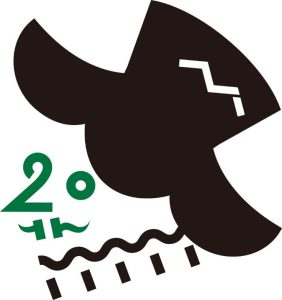
Nagasaki Museum of History and Culture's 20th anniversary logo
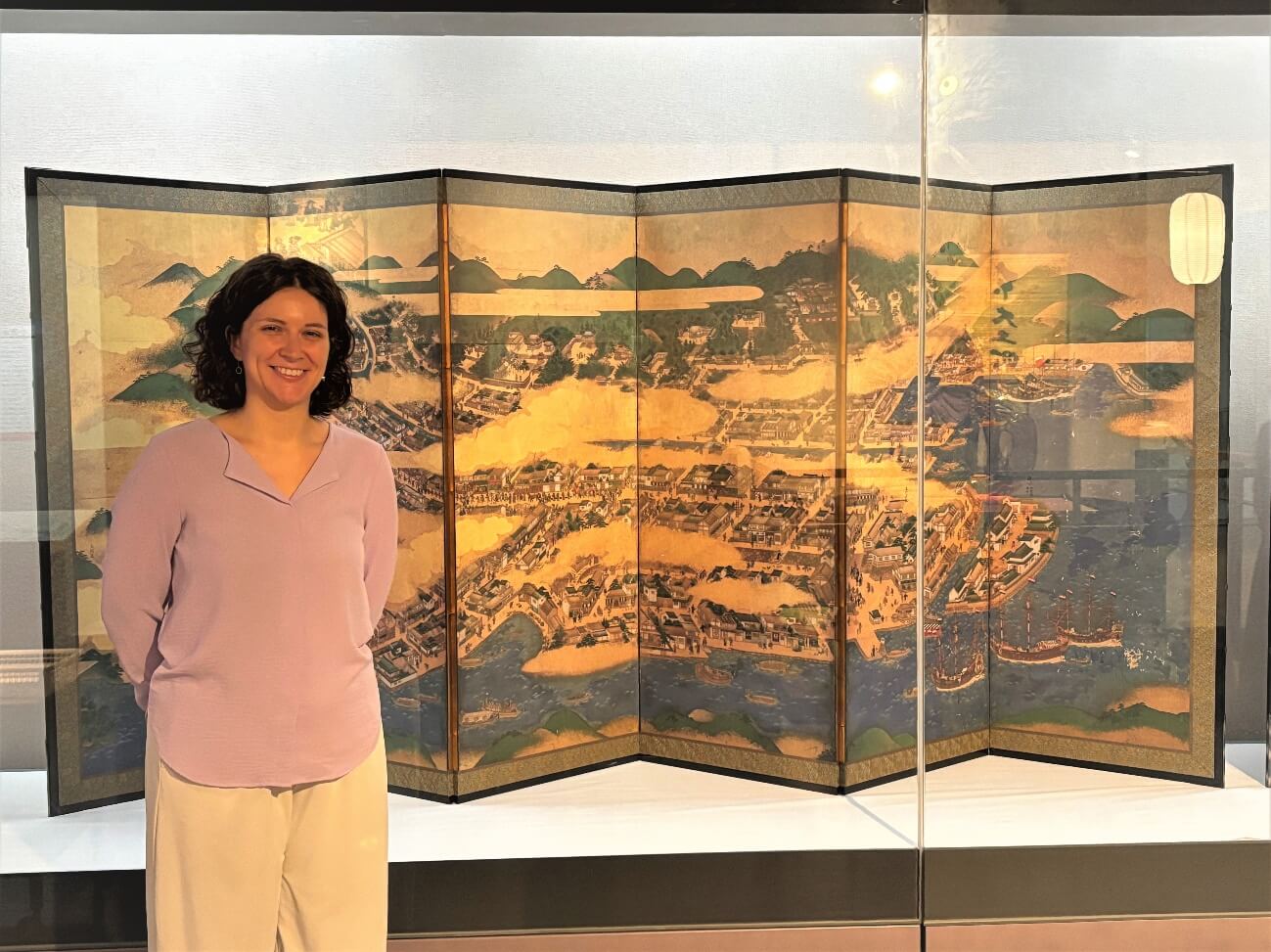
The concept of "connection" is expressed using the face of a Nanban (Southern Barbarians) depicted in the "Map of the Arrival of Nanban in Japan" owned by the Nagasaki Museum of History and Culture as a motif.
Restoring ancient documents: Handicrafts that pass on evidence of Nagasaki's history of international exchange to the future
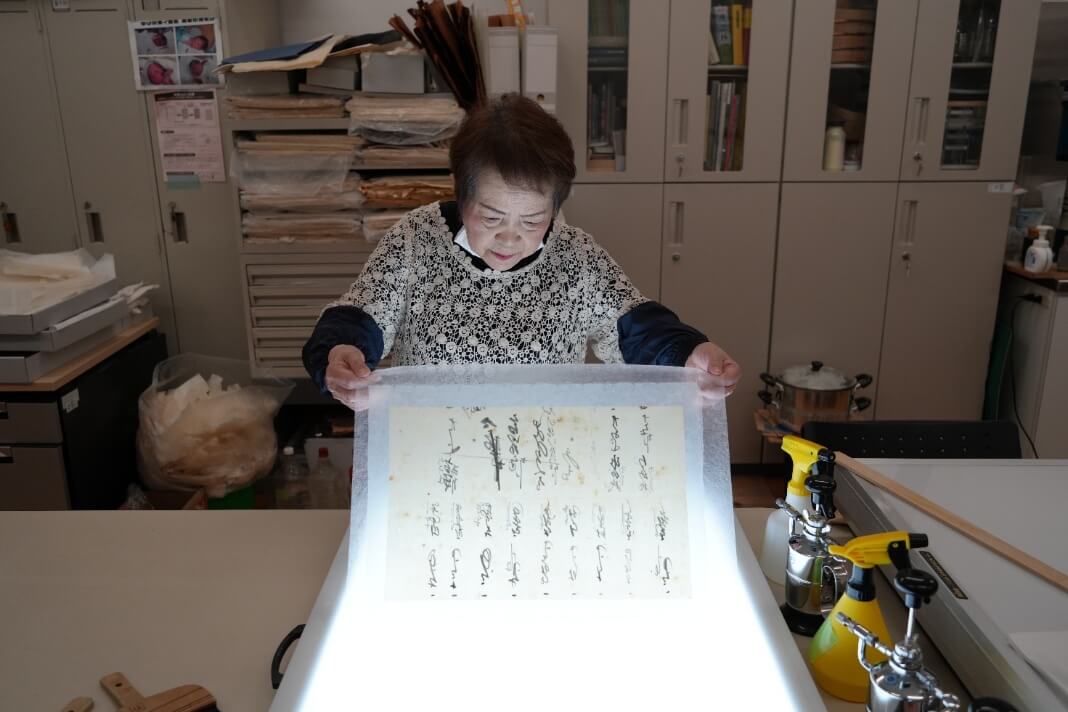
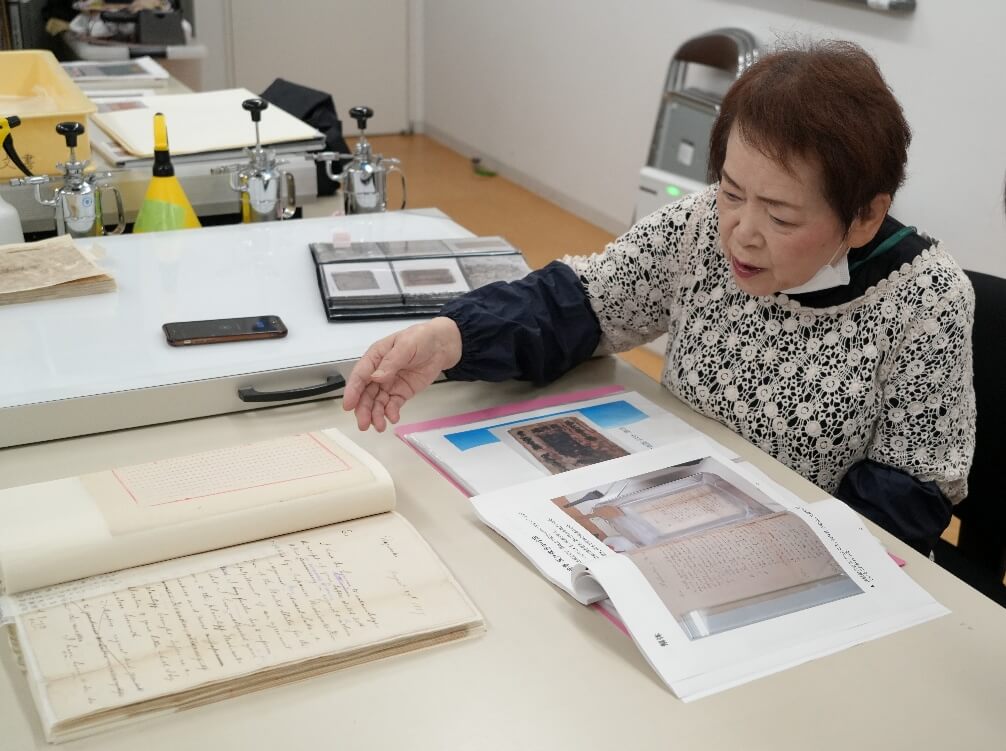
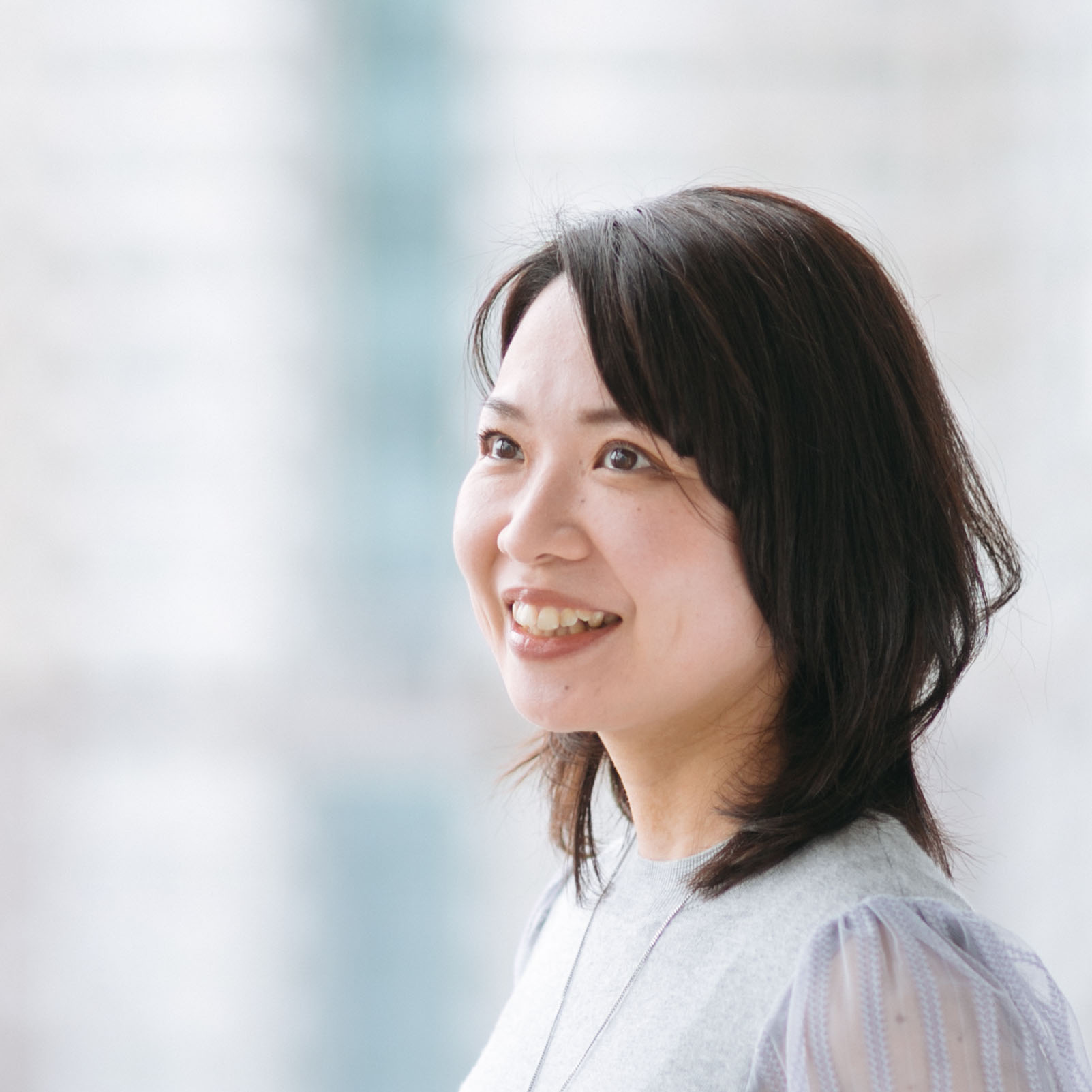
The first person we spoke to was Atsuko Tomikawa, who is in charge of restoring materials and is a staff member whose work symbolizes the "connections" of the Nagasaki Museum of History and Culture. In the restoration room, where every tool and material is packed with experience and know-how, we were shown actual restoration work and spoke to her about her work in passing on materials that tell the history of overseas exchanges to the next generation.
Restoration Officer, Nagasaki Museum of History and Culture
Atsuko Tomikawa
An expert in the preservation and restoration of ancient documents. Protecting the value of cultural assets and passing them on to the next generation.
--Your specialty is the restoration of ancient documents. How long have you been doing this job?
Tomikawa-san
The Nagasaki Museum of History and Culture has been entrusted with the collections of the former Nagasaki Prefectural Museum of Art, the former Nagasaki Prefectural Nagasaki Library, and the former Nagasaki City Museum. As a staff member of the former Prefectural Library, I began work on restoring the ancient documents stored in the library.
How many documents have you restored so far?
Tomikawa-san
In the 20 years since the Nagasaki Museum of History and Culture opened, we have repaired around 1,700 items. The number is even higher if we add in the items restored at the former Nagasaki Prefectural Library. Even so, the Nagasaki Museum of History and Culture still stores around 84,000 items, including over 20,000 ancient documents alone, so we can't keep up.
--There are many different types of ancient documents.
Tomikawa-san
Broadly speaking, there are those from before the modern era that were recorded on Japanese paper with ink or pigments, and those from after the modern era that were recorded on acidic paper with mimeograph ink or fountain pen.
Can you tell me about the differences?
Tomikawa-san
Washi paper is very durable and flexible, making it relatively easy to restore. Traditional techniques are used to restore washi paper, with hand repair being particularly important. On the other hand, acidic paper, which has been used since modern times, deteriorates quickly and requires special techniques for restoration.
--Could you tell us a bit more about restoring washi paper?
Tomikawa-san
Restoring washi materials involves backing the paper by pasting another type of paper (a commonly used type of washi called Mino paper) on the back to reinforce it, and patching up holes eaten by insects. Both are traditional techniques that have been passed down through the generations in daily life. In the past, every home had sliding doors and shoji screens that were replaced. The basic materials are washi paper and glue.
--Are there any materials that you have restored so far that have made a lasting impression on you?
Tomikawa-san
These documents were previously owned by local historian Nakanishi Kei, and were damaged in the Nagasaki flood of 1982 and donated to the former Nagasaki Prefectural Nagasaki Library in 2002. Over 230 documents that had hardened and were soiled and deteriorated with mud, mold, and insects have been restored to date. Please feel free to touch the documents that were damaged before restoration.
--It's as hard as a board and the letters are not visible. How do you restore a document in this condition?
Tomikawa-san
While thinking about how to repair the item, I came up with the idea of using an alkaline solution made from precipitated wood ash to clean the item. The hint came from the manufacturing process of washi paper, a process called "simmering" in which lye from wood ash is used to remove impurities other than fiber from the washi paper. Because lye is alkaline, it was discovered to have both antiseptic and cleaning properties.
Wood ash is becoming harder to come by, so we ask people who burn wood in their stoves to send us some. We then let the ash settle and create an alkaline solution with a slightly higher pH than washi paper.
Can you show us the cleaning process?
Tomikawa-san
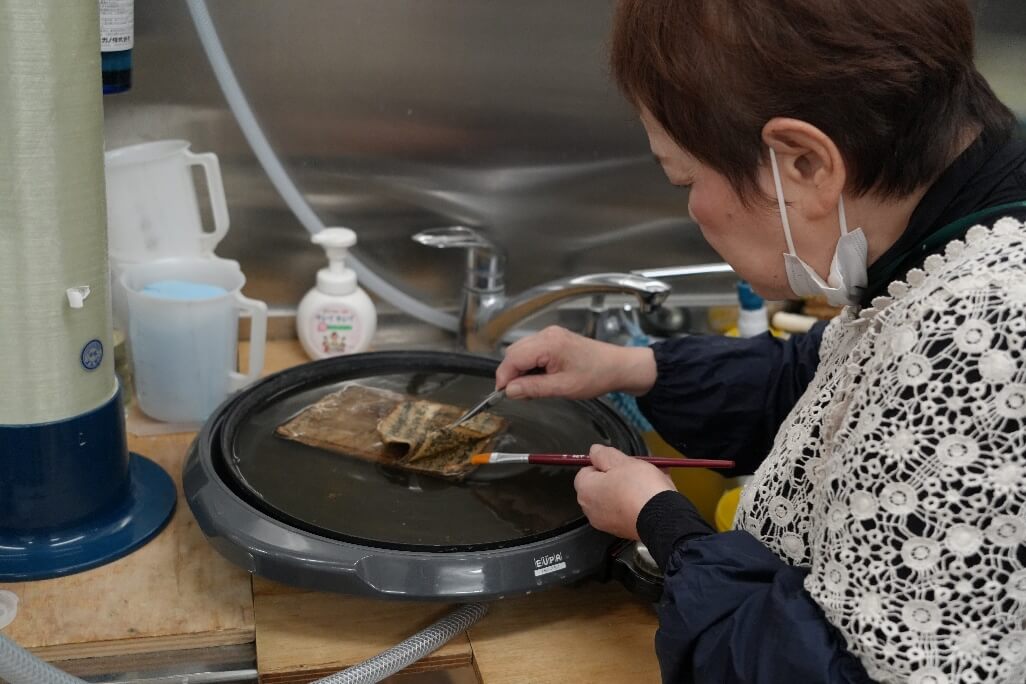
Yes. I heat the lye and soak the damaged documents. I looked around for various tools, but I use a hot plate, which is just right for small documents. For larger documents, I use a kitchen heater. Now, as I wash the surface with a brush, you can see the dirt gradually come off. If I keep doing this, the documents will come off one by one.
--Now that you can read the contents, it will be revived as a reference material.
The process of cleaning documents that have been damaged by floods and are caked with mud and dirt by immersing them in warm lye.
Tomikawa-san
Lye has a variety of effects. I feel that by soaking acidic paper in it, the pH of the paper rises, making it less likely to crease. I still have a lot to learn, so I need to continue my research.
--There is also an urgent need to preserve and restore acidic paper, which deteriorates quickly.
Tomikawa-san
Yes. Some of the documents on the history of international exchange are a mixture of documents written in ink on Japanese paper and in foreign languages on acidic paper with a fountain pen. Because these documents combine different materials, we are searching for the best method, taking into account the chemical properties of each.
Acid-free paper is backed with Japanese paper and bound together with the Japanese paper document to enhance preservation.
-Is there anything you would like to work on in the future?
Tomikawa-san
Materials are essential for researching the history of Nagasaki's international exchange. I would be delighted if the restored materials are useful in research and can also be used to disseminate information to the world. To that end, I would like to improve my restoration techniques and preserve as many materials as possible. Ancient documents have been passed down through appropriate preservation environments and repairs. I would like to pass on this tradition to younger generations.
Educational outreach- "Connecting the history of international exchange to the next generation of the region"
Our next speaker was Chinatsu Sueyoshi, a curator in charge of educational outreach.
Nagasaki Museum of History and Culture
Chinatsu Sueyoshi
As the Education and Outreach Officer, he plans and promotes various programs. As the VI Committee Chair for the 20th Anniversary Executive Committee, he was in charge of creating the commemorative logo design.
--The Nagasaki Museum of History and Culture has been running a variety of educational programs since its opening, based on the idea put forward by its first director, Satoshi Ohori, that "all museum activities converge on education." Please tell us what kind of initiatives you are taking as the person in charge.
Sueyoshi-san
I started working at the Nagasaki Museum of History and Culture as a curator in 2018. I initially studied exhibitions in the research group, but then joined the education and outreach group. Currently, there are four of us, and we are involved in courses and seminars, programs in collaboration with schools (group tours and distance learning), outreach (school visits and mobile museums), event planning, volunteer training and support, and information dissemination on social media.
--What do you think about the role of "connecting" museums with local people?
Sueyoshi-san
What we are conscious of is "creating opportunities." By making the exhibits easy to understand and accessible to visitors, we hope to help children and local people learn about the fascinating diversity of Nagasaki's history and culture. The exhibits will also convey highly specialized content based on research, but we believe that educational outreach plays a role in "sowing the seeds" by providing opportunities for interest and inspiration so that people can learn about the fascinating aspects of the area.
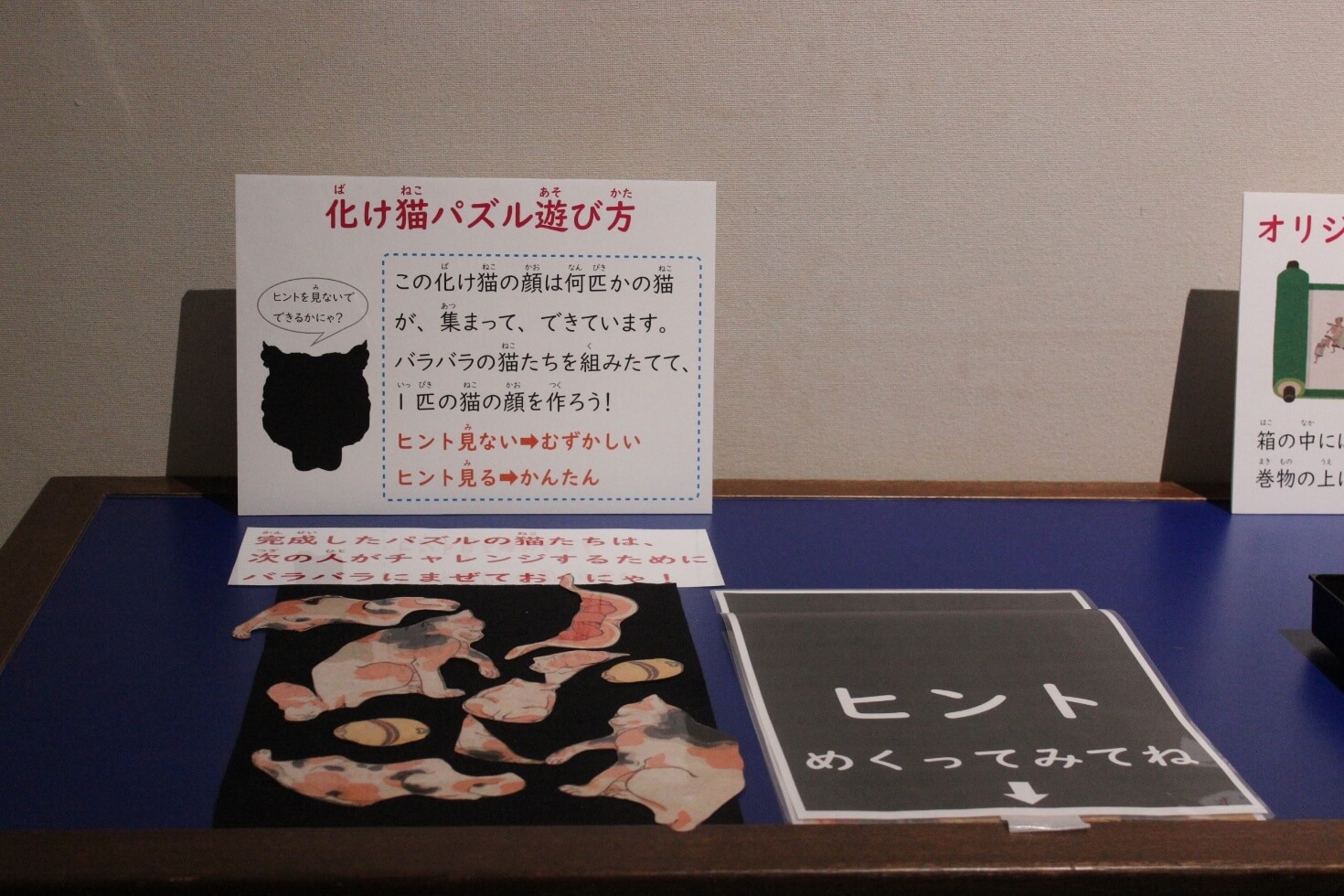
--The "20th Anniversary Special Exhibition: Scary Ghost Ukiyo-e" held this summer was impressive not only for its exhibition of artworks, but also for the way visitors could enjoy playing with the ghosts and monsters depicted in the artworks. How do you work with the exhibitors to make such an event a reality?
Sueyoshi-san
For special exhibitions, we shared with the exhibitors the age groups and themes that we wanted to prioritize in attracting visitors, and by adding ideas for children who are less interested in ukiyo-e, we cooperated to make the exhibits enjoyable for a wider range of people. In the case of traveling exhibitions like the "Ghost Ukiyo-e Exhibition," the exhibit structure and explanations are already decided, but we aim to pique the interest of visitors by adding original explanations and content from an educational outreach perspective.
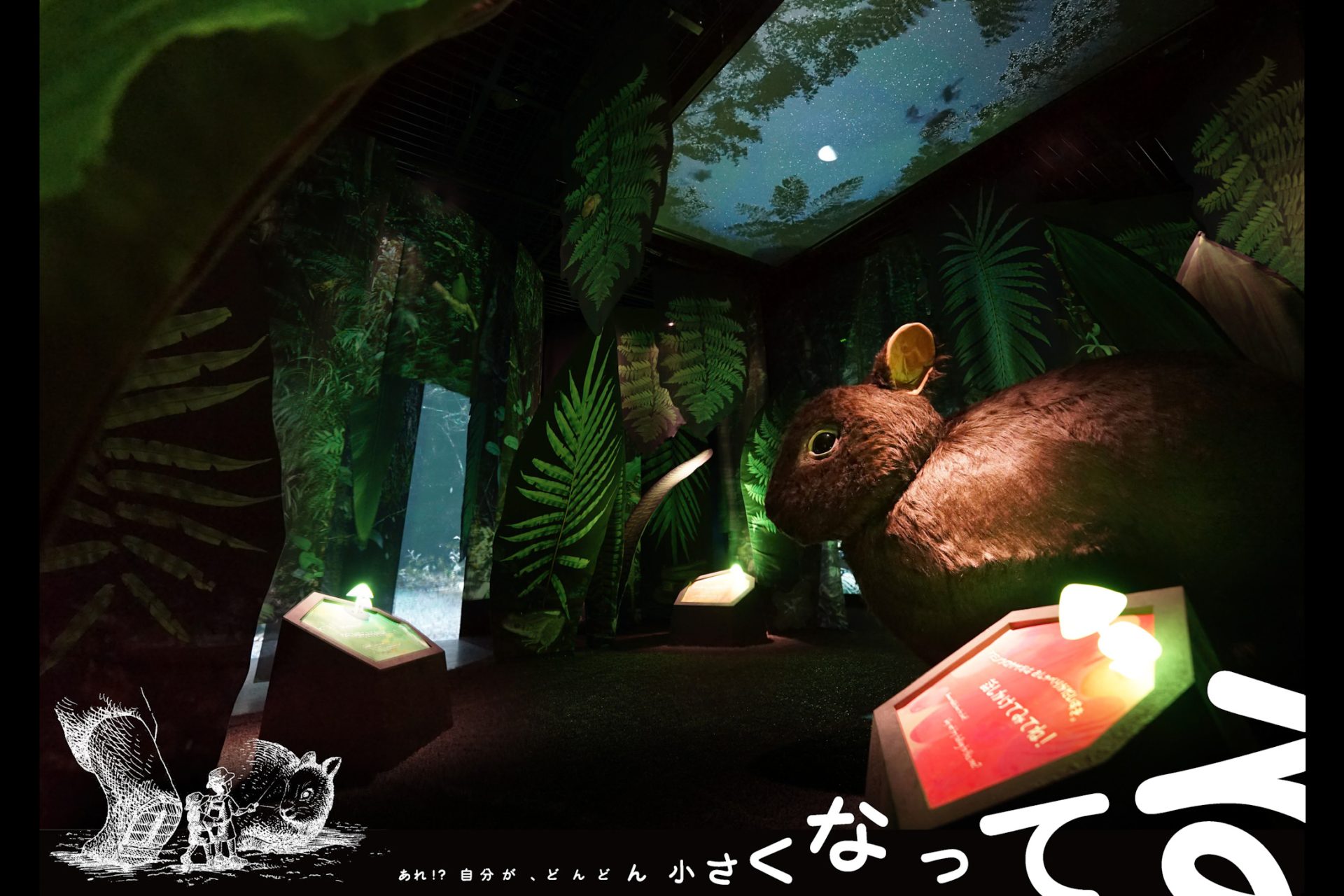
Hands-on exhibits for children at the "20th Anniversary Special Exhibition: Scary Ghost Ukiyo-e"
--You also act as a bridge between exhibits and visitors. Recently, you have been working to connect the museum with foreigners living in the area and foreign visitors to Japan. What are your goals as a museum of the history of international exchange?
Sueyoshi-san
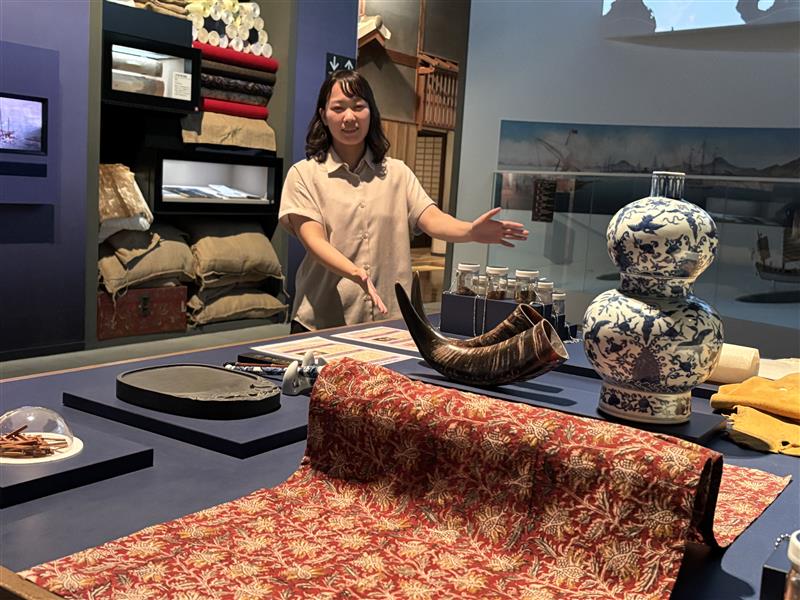
One of our philosophies is to be an "open museum" that is accessible to everyone. This includes foreign residents, such as international students, who are currently increasing in number in Nagasaki. However, information about the museum was not reaching them at all. So we planned an event for international students, which led to exchanges between students from various countries and regions. As a museum, we are very happy to see such exchanges taking place. In order to create an environment where a diverse range of visitors can participate, we are working with Valentina, who is in charge of international public relations, to provide exhibit guides in English and "easy Japanese."
--Are you doing anything to reach people who have tended to be overlooked in museum activities up until now?
Sueyoshi-san
We place importance on actively communicating with a variety of people, including visitors, school teachers, local organizations, and recently Japanese language school teachers, and creating programs while listening to their needs. In order to aim for better services, we value expanding connections not only within the museum but also with people outside the museum, and encouraging cooperation and the exchange of opinions.
--What is the most rewarding part of working in education outreach?
Sueyoshi-san
It's wonderful to see the children we meet at exhibition guides and events become interested in Nagasaki's history and go home knowing what makes the area great. We believe that the value of the museum will increase when these children spread the charm of Nagasaki to those around them.
-What would you like to challenge yourself with in the future?
Sueyoshi-san
I would like to work on improving accessibility (by introducing sensory maps and safety maps, using easy-to-understand Japanese, etc.) so that a variety of visitors, including people with disabilities, the elderly, and foreigners, can use the museum with peace of mind. We have already enriched our programs for children, but going forward, we aim to reach a wider range of people and remove barriers in line with changes in society.
International PR work connecting Nagasaki with the world
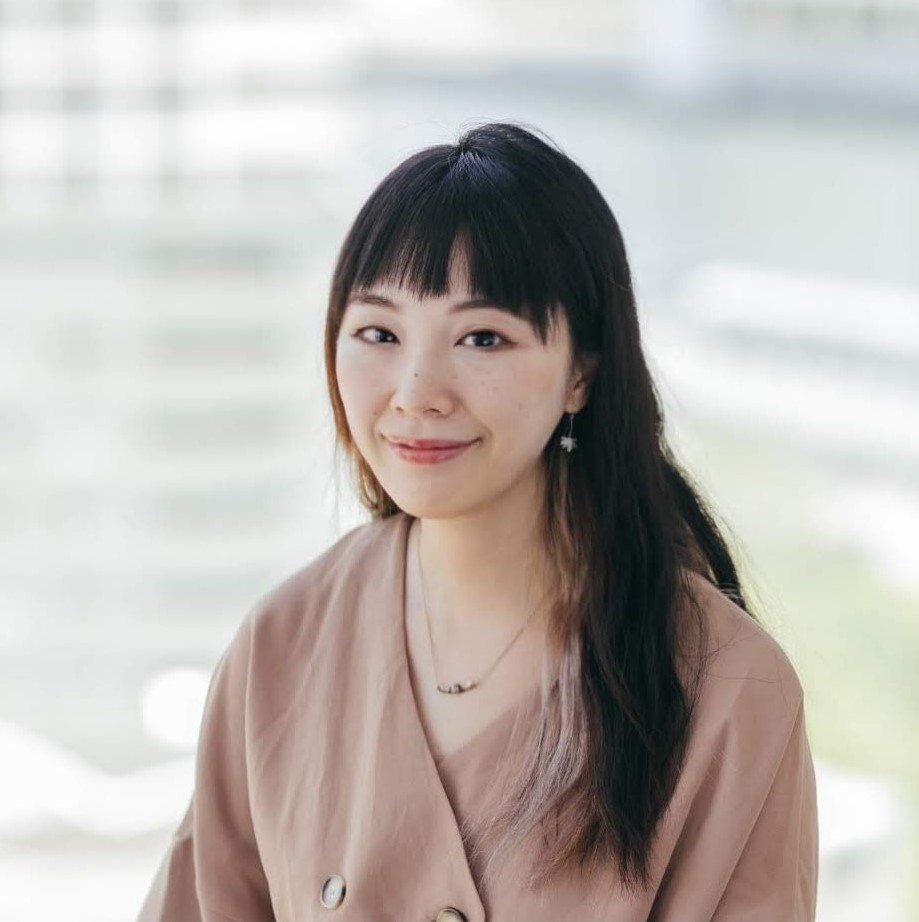
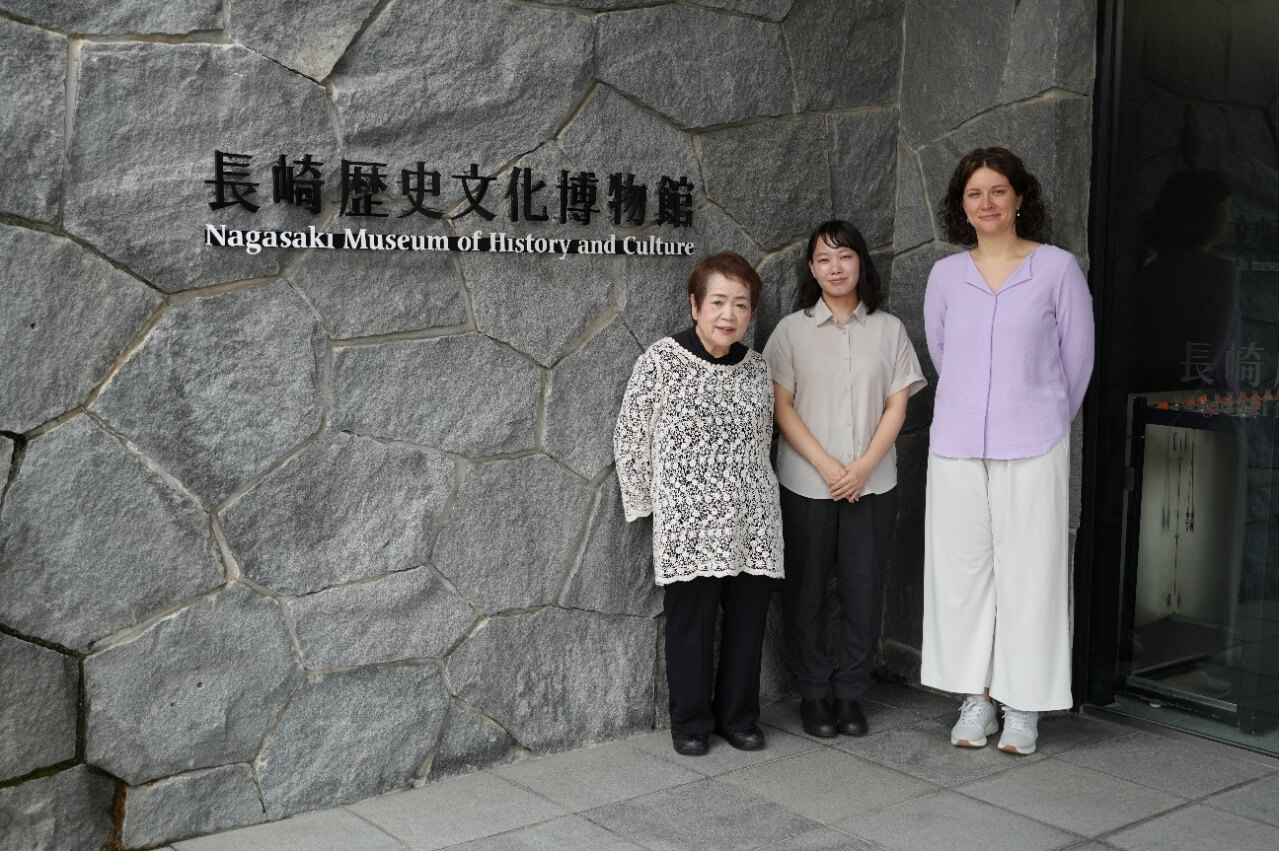
Finally, we spoke to Valentina Odiño, a "Rekibun Ambassador" from the PR and Sales Planning Group.
Nagasaki Museum of History and Culture
Valentina Odino
In order to spread the history of Nagasaki to the world, he is in charge of public relations as well as planning events for foreign visitors to Japan, and serves as the chairman of the ceremony division of the 20th anniversary executive committee.
--Please tell us about your background and your work at the Nagasaki Museum of History and Culture.
Valentina
I have been working at the Nagasaki Museum of History and Culture since 2018. I came to Japan immediately after graduating from graduate school in Italy, and this is my first job. I have an interest in Japanese culture, especially anime, so I studied Japanese language and culture at university and graduate school. The skills I acquired at university, such as translation and thesis writing, are useful in my current job.
At the museum, I was mainly in charge of dealing with foreign visitors, translating explanatory texts in the museum into English, and multilingualizing information dissemination on social media and the museum's website. Since 2021, I have been part of the Public Relations and Sales Planning Group, where I am also involved in sales and event planning.
--Inbound tourism is increasing nationwide, but do you feel any change?
Valentina
Yes, the number of foreign tourists is increasing both within the city and inside the museum. However, Nagasaki is not overtourized, and I think it is a city with hidden gems. For people overseas, the image of the atomic bomb is strong, but many people also visit tourist spots such as Dejima and Glover Garden, so I feel it is important to convey the history of international exchange that lies behind it. For that reason, I would like people to visit the Nagasaki Museum of History and Culture. I feel a great sense of accomplishment when I see foreign tourists who have viewed the exhibits comparing the history of their own country with that of Nagasaki and making new discoveries.
--What kind of initiatives are you taking to cater to foreign visitors?
Valentina
Together with Sueyoshi-san, who is in charge of education and outreach, I organize events and workshops in both English and "easy Japanese" for foreign visitors. I'm also involved in training the museum's English volunteers, and I hope to contribute to the training of English guides. Recently, we've seen an increase in university students and other young volunteers, and I want to support local people in learning about the history of their region and sharing it with the world.
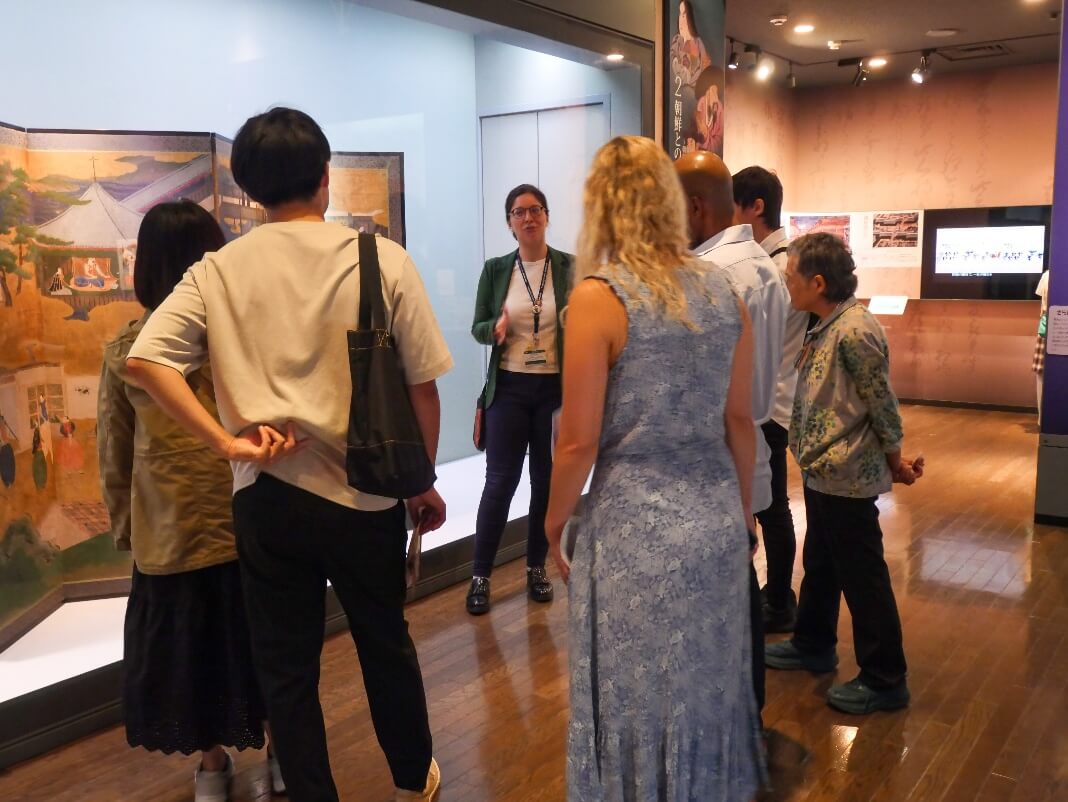
"Gallery Talk for Foreigners" is a program that introduces the history of Nagasaki to foreigners living in Nagasaki Prefecture while guiding them through the permanent exhibition.
--Please tell us about the attractions and spots in Nagasaki that you would recommend.
Valentina
Nagasaki has a warm atmosphere, which I believe is due to its history of accepting diverse cultures. In that respect, I feel it is similar to Venice, Italy, which is also a port city and prospered through trade. The people of Nagasaki also have a unique spirit of hospitality, and the city has the appeal of being a stage for international exchange. I also recommend the benefits of being a compact city that can be explored on foot, with temple town lined with many temples, including the Chinese temples Kofuku-ji and Sofuku-ji, as well as the historical buildings and retro streets around Meganebashi Bridge.
-Is there anything you would like to work on in the future?
Valentina
In the future, I would like to aim for the Nagasaki Museum of History and Culture to become an international hub for research into the history of international exchange. To that end, I would be happy to strengthen ties with overseas researchers and museums through the creation of cooperative systems and the acceptance of internships, and contribute to raising the global profile of the Nagasaki Museum of History and Culture.
In the second part of this article, we will present a dialogue looking beyond the 20th anniversary, discussing the museum's potential to connect to the future of the region.
Opening20Click here for information on the anniversary project
2025 marks the 20th anniversary of the museum's opening | Nagasaki Museum of History and Culture
20thAnniversary Event: PokémonxCraftsExhibition - Great Discoveries of Beauty and Crafts
Friday,September12,2025-Sunday,December7,2025
©2025 Pokémon. ©1995-2025 Nintendo/Creatures Inc./GAME FREAK inc. TM, ®, and character names are trademarks of Nintendo.
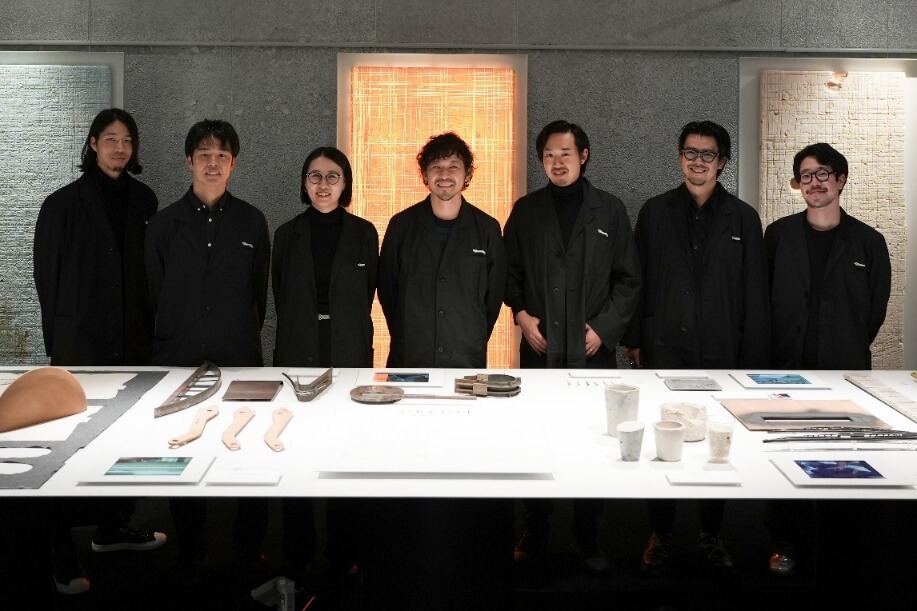
[Planning/Person in charge]
NOMURA Co., Ltd. Co., Ltd.
Business Production Headquarters, Third General Affairs Department, Facilities Business Operations Department
Miki Mori Planning Director
Junji Yamazaki
Risa Aoki
Composition and text: Miki Mori, Risa Aoki Photography: Junji Yamazaki
Like this article?
- editor
-

-
NOMURA Co., Ltd. Facility Management Business
Taking facility management business to the next stage