Museums are moving towards an era where their collections are the "attractive"
2024/05/22- share
-


- text and edit by
- Web version of "Cultivate" team
NOMURA GROUP has been publishing its owned media called "Cultivate" to make recommendations to society. Based on the concept of opening up new cultural horizons by examining themes such as "knowledge," "information," "creativity," and "communication" from multiple angles as elements of the "cultural environment" that surrounds us, we have approached the future of the "cultural environment" through interviews and discussions with various experts.
After 10 years, "Cultivate" will be relaunched as a web version on "nomlog". Museums are expected to function as hubs of local culture. The first theme is the storage facility, which can be called the core of the museum. We will consider the future of museums, which started out by displaying collections and exhibiting them.
Now the repository is facing a huge crisis.
A "storage facility" is a function found in museums, art galleries, historical museums, and other museums across the country, and is an important place for storing the collections and materials that the museum holds.
In the summer of 2023, the National Museum of Nature and Science (Nasdaq:NHC) made headlines when it launched a crowdfunding campaign to raise funds to maintain the vast collection it has collected and preserved and continue its activities. This was probably the first time many people learned about the existence of storage facilities and became interested in the difficulties of maintaining them.
The storage facility plays a major role in protecting the valuable items that the museum has decided should be preserved and passing them on to future generations. For that reason, it must be spacious enough and have thorough security measures, and it must be air-conditioned to keep the temperature and humidity as constant as possible. It is also important that the facility is robust enough to prevent the intrusion of pests and to withstand disasters such as earthquakes, fires, typhoons, and floods.
However, museums across the country are currently facing a serious storage shortage, with the valuable collections and documents that they have amassed not being able to fit into their storage facilities.
In addition, the recent rise in fuel prices has increased the cost of maintaining facilities, placing a heavy burden on museum management, and it is no exaggeration to say that museums and storage facilities across the country are facing a crisis that could threaten their survival.
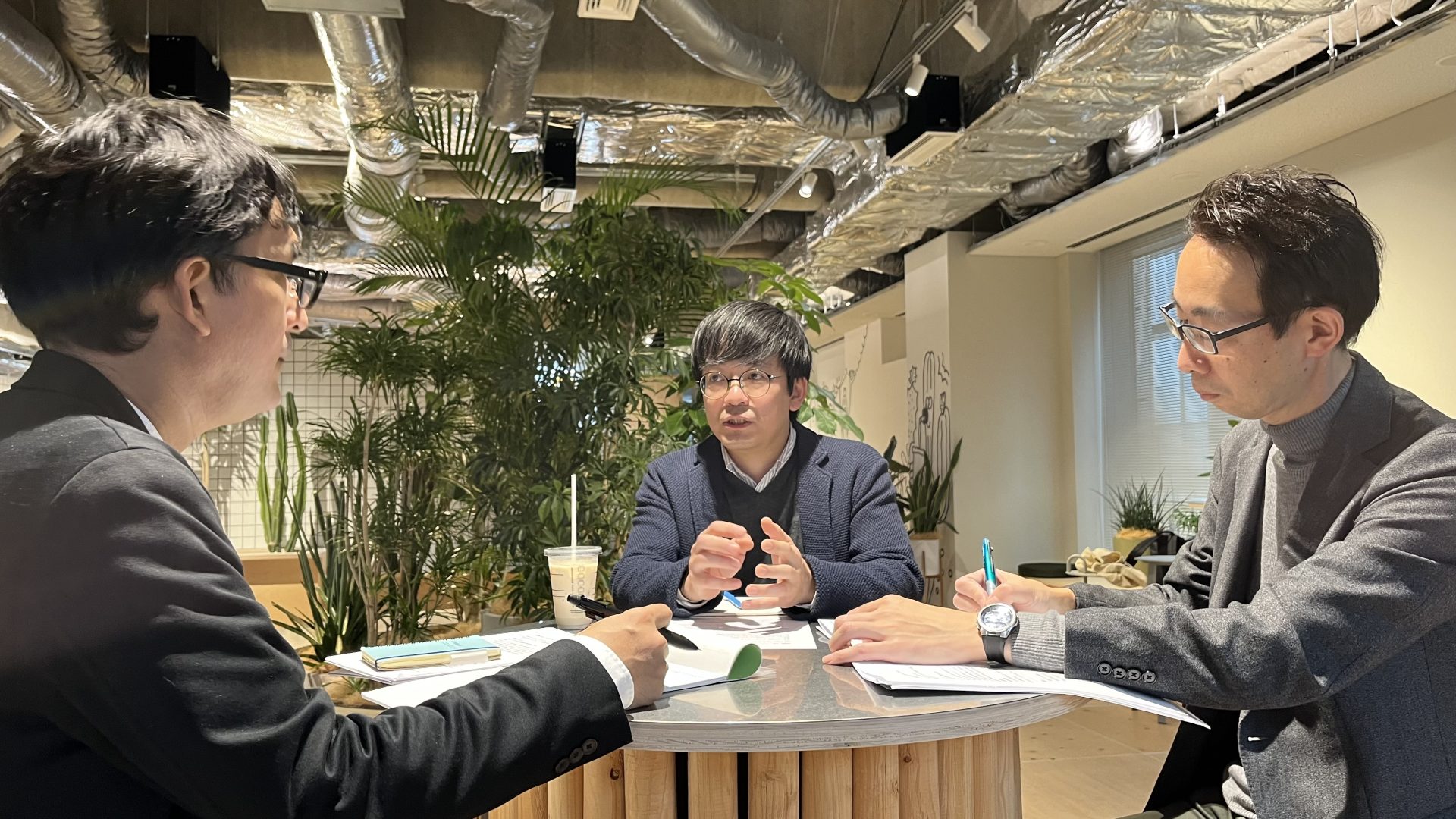
We invited Associate Professor Kato Kenichi of Kanazawa Gakuin University, who is researching storage facilities and "storage and exhibition" while drawing on his experience working as a curator at several museums, to talk to us about the various issues surrounding storage facilities and collections, and the future of museums and storage facilities.

profile
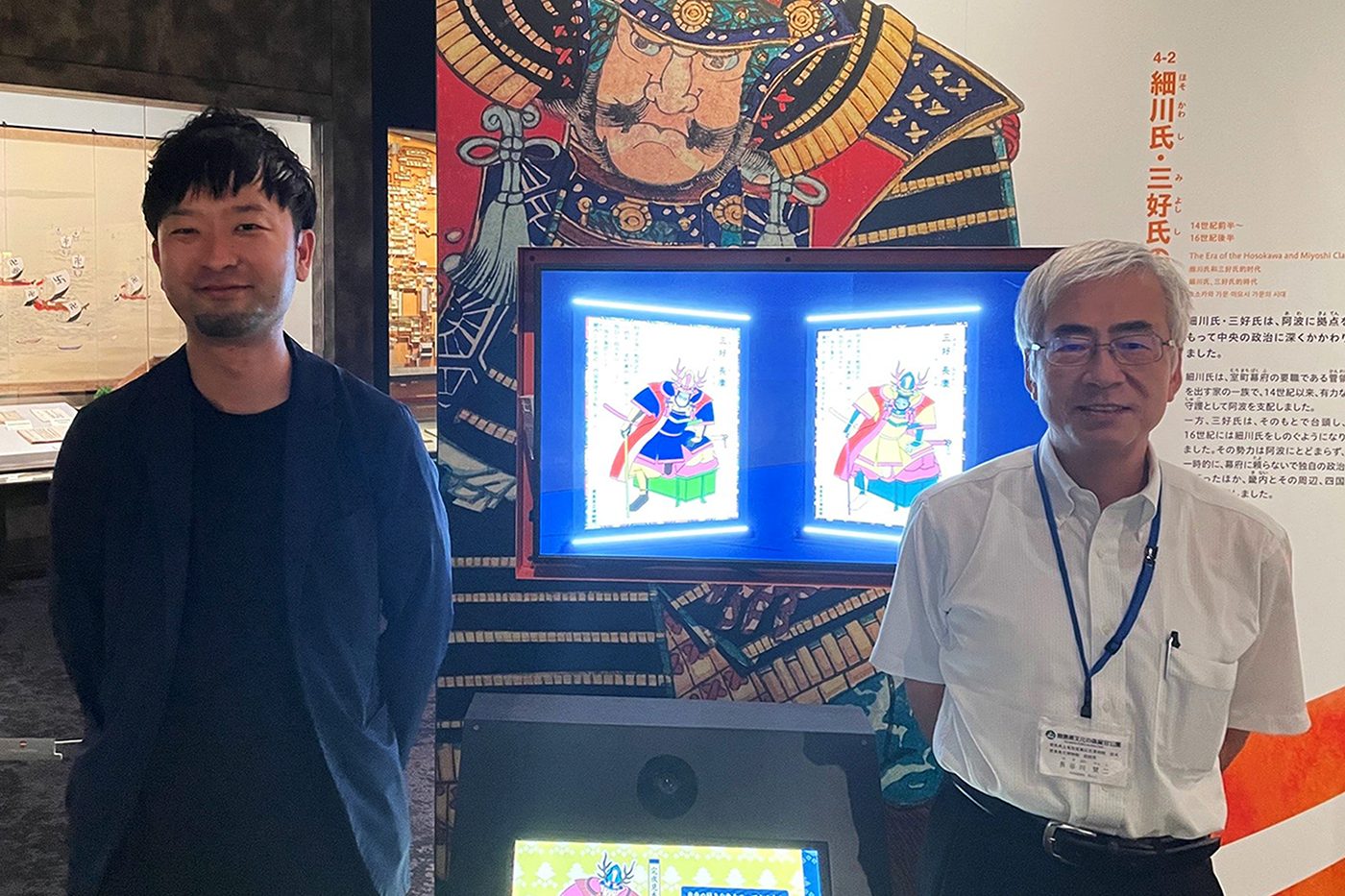
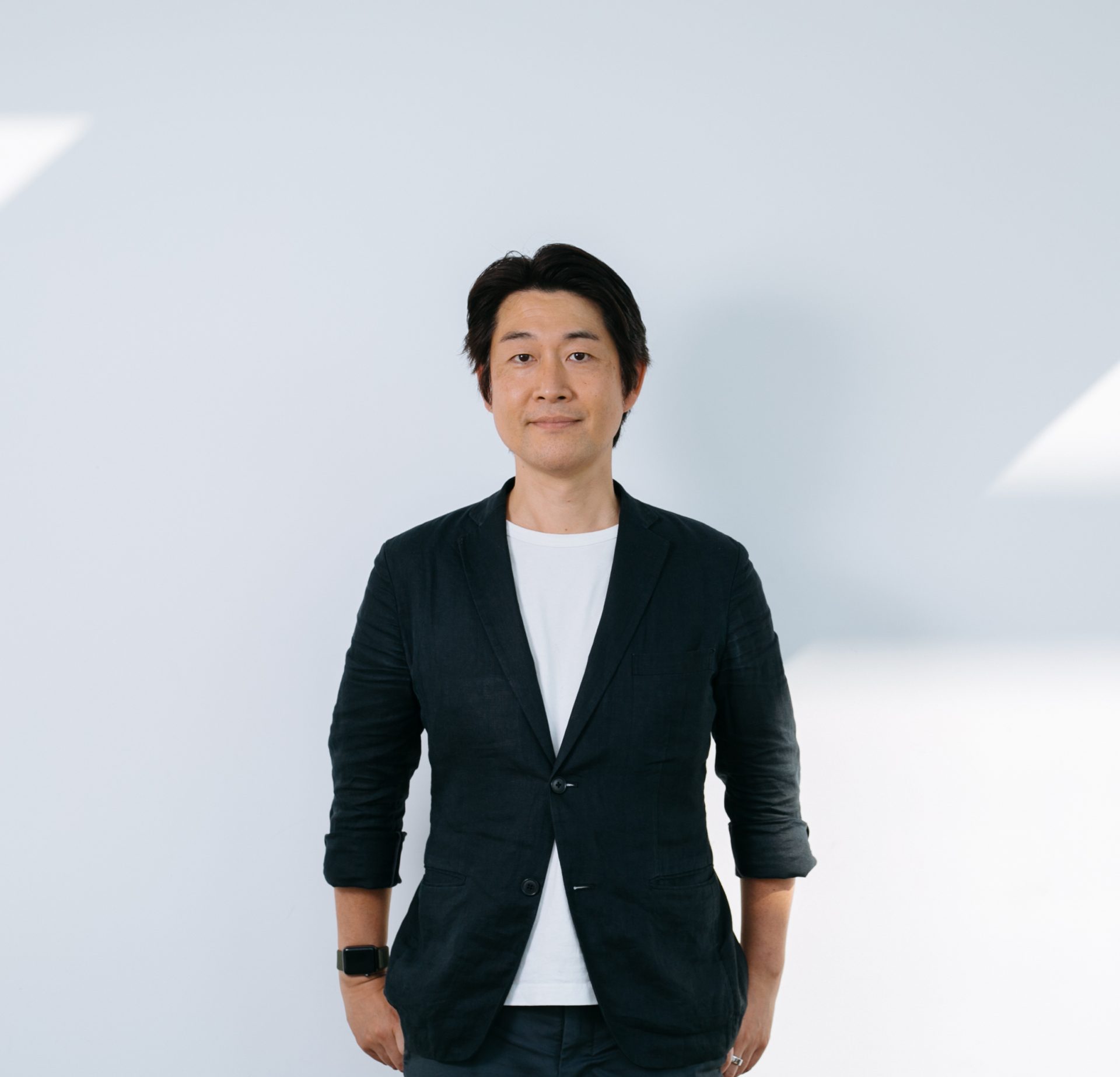
Kenichi Kato (center of photo)
Associate Professor, Department of Art, Faculty of Art, Kanazawa Gakuin University
After graduating from the Graduate School of Letters, Kansai University, majoring in history, he worked as an institutional researcher at the Cultural Resources Research Center of the National Museum of Ethnology, a researcher in the Education Group at the Nagasaki Museum of History and Culture, and a curator at the Art and Crafts Research Institute of Kanazawa College of Art, before assuming his current position in 2019. His specialties are "museum studies" and "collection exhibition."
<Interviewer>
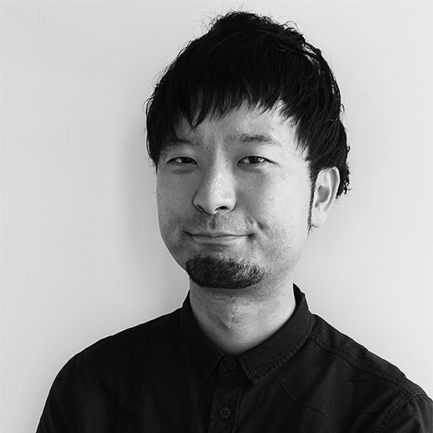
Seiichiro Mori(Photo on the left)
Creative Headquarters Planning and Production Center Planning Department 2, 7th Room Chief
After graduating from university, he worked at a museum for five and a half years before joining NOMURA Co., Ltd.
Since joining the company, he has been involved in creating exhibitions for various museums run by the government, local municipalities, and companies, striving to find ways to communicate the appeal of the exhibits and make them enjoyable for people of all ages and genders.
Koichi Ido (Photo on the right)
Creative Headquarters Planning and Production Center Planning Department 2 Room 7
Utilizing the experience gained from his previous job as a museum curator, he is involved with government and corporate museums, primarily in the humanities, by observing and thinking about the site, thinking about it together with his customers, and pursuing the creation of spaces that aim for a goal.
"Storage and exhibition" to make use of collections, not let them go to waste
The materials exhibited at museums are only a small part of the collections in storage. Europe and the United States have been focusing on this issue for a long time, and a system called "visible storage" was born.
forest
First of all, please tell us what made you become interested in "collection exhibitions."
mr.kato
It all started when I worked as a curator at Kanazawa College of Art, where we undertook a project called "Heisei's Hyakko Hisho" together with the city of Kanazawa. This project involved collecting specimens of contemporary crafts, such as materials, tools, techniques, production processes, and products that are currently in circulation.
Later, we decided to hold an exhibition showcasing the approximately 5,600 items we had collected, and created a system to store the collected materials in storage boxes that could be used for both display and storage. As a university art museum, we wanted to create a system that would allow students and faculty to have access to these storage boxes when conducting research, and this led to the idea of a "storage exhibition."

Comparison of 100 Heisei Craftsmanship Exhibition and Viewing Corner
This is similar to the system in which books can be taken out of the open stacks in a library and viewed at a viewing table. We installed storage shelves for storage boxes and viewing tables in the Art and Craft Research Institute Gallery, which was located on the old campus of Kanazawa College of Art.
When creating this space, I searched the internet for examples of "storage and exhibition," but there were only a few, and almost no information on systematic research, effectiveness measurement, or verification of issues. So I decided to research it myself, and in the process, I became interested in the problems that storage facilities face.
forest
I see. So, your starting point was not just to preserve the collections and materials you had, but to think about how to utilize them.
mr.kato
Yes. As you know, in order to preserve materials, it is better to store them carefully rather than exhibit them, but that means that the precious materials will not be utilized by future generations. "Preservation" and "utilization" are contradictory, but it is important to find a way to balance them.
My approach of "thinking about preservation from the perspective of utilization" was probably cultivated during my experience working at the National Museum of Ethnology (Minpaku) in Osaka, and I began to think about it again after moving to Kanazawa College of Art.
forest
First of all, when did "storage exhibitions" and "visible storage facilities" start in Europe, the United States, and Japan?
mr.kato
The University of British Columbia (UBC) Museum of Anthropology in Canada is said to be a pioneer of "storage exhibitions" overseas. I am still researching this, but in 1976, a storage facility was built to allow students and researchers to easily view as many of the collections as possible.
Meanwhile, in Japan, the first exhibition hall was the Hokkaido Historical Memorial Museum, which opened in 1971. It is the predecessor of the Hokkaido Museum. It is unclear when the exhibition hall was established, or if it was influenced by Western countries at the time, but according to the Encyclopedia of Museum Studies, it was an embodiment of the "dual exhibition theory" proposed by Gentaro Tanahashi, a museologist who is said to have pioneered science education in Japan and built the foundations of museums. Unlike the permanent exhibition hall, which is designed to be easy for the general public to understand, the exhibition hall was recorded as being classified according to the academic fields of researchers and experts, such as geology, biology, and ethnology.
Of particular note is the Kyushu National Museum, which opened in 2005. The installation of glass windows in the storage room was groundbreaking. As it is a backyard, it is not an environment where anyone can view it at any time, but the fact that an initiative to "open the storage room" was realized at a national facility was a major catalyst for other museums to become aware of "visible storage rooms."
"The backstage is what's interesting" - the importance of conveying what goes on "behind the scenes" of museums
The storage facility is so important that it can be said to be the heart of the museum. However, because it is so important, there are no opportunities to let the public know about its existence and importance, making it difficult to convey the issues and plight of the storage facility, and even the social value of the museum. Kato is aware of this problem and feels a sense of crisis.
mr.kato
Behind the "exhibitions" of museums, there is the work of collecting materials, preserving them for the long term, and researching them, as well as the people who work daily on maintenance such as preservation and restoration. Without these jobs, the exhibitions would not be possible. In the end, it is important not to only talk about the storage facility, but to communicate the whole picture, including the various behind-the-scenes work that supports the museum.
For example, it is essential to hold "backstage tours" or other events that let people know about the work that goes on behind the scenes and generate interest and understanding among many citizens about the value and role of museums.
Also, the premise of my original awareness of the problem is that if we do not properly communicate what is going on behind the scenes, the social value of museums will not be conveyed to citizens and local people. Currently, I am also in charge of a museum studies class for students aiming to become curators at a university, and I believe that future curators will need to be aware of not only showing the results of their research in an exhibition, but also communicating the value behind it and their own activities to gain understanding. In particular, I think it is very important to communicate the storage facility, which is the core of the museum, and how it operates.
well
The idea that the "behind the scenes" that are not normally visible are interesting can be said not just about museums, and I feel that it is important to communicate this.
mr.kato
On the other hand, how can we explain the storage facility to people who know nothing about it? A hint came from the "Manga no Kura Exhibition Room" at the Masuda Manga Museum in Yokote, Akita Prefecture.
This area consists of an "original art storage room" and an "archive room" where digital archiving of the original art is carried out, and it truly functions to connect the back yard and the exhibition room.
Additionally, there is a "Hikida System" cabinet with drawers where you can take a good look at the original artwork. By opening the drawers containing the original artwork starting from the top, you can read one chapter of a manga.

Yokote City Masuda Manga Museum "Manga no Kura Exhibition Room"
Additionally, at the Hara Museum of Contemporary Art ARC, a contemporary art museum in Shibukawa, Gunma Prefecture, advance reservation-only tours are occasionally held that guide visitors through the "open-shelf storage," which is usually closed to the public. Furthermore, while in a typical storage facility, the placement of artworks is fixed, here the placement is periodically changed, and even a curatorial effort is undertaken within the storage facility to decide how to display the artworks within the space and context of the storage facility.
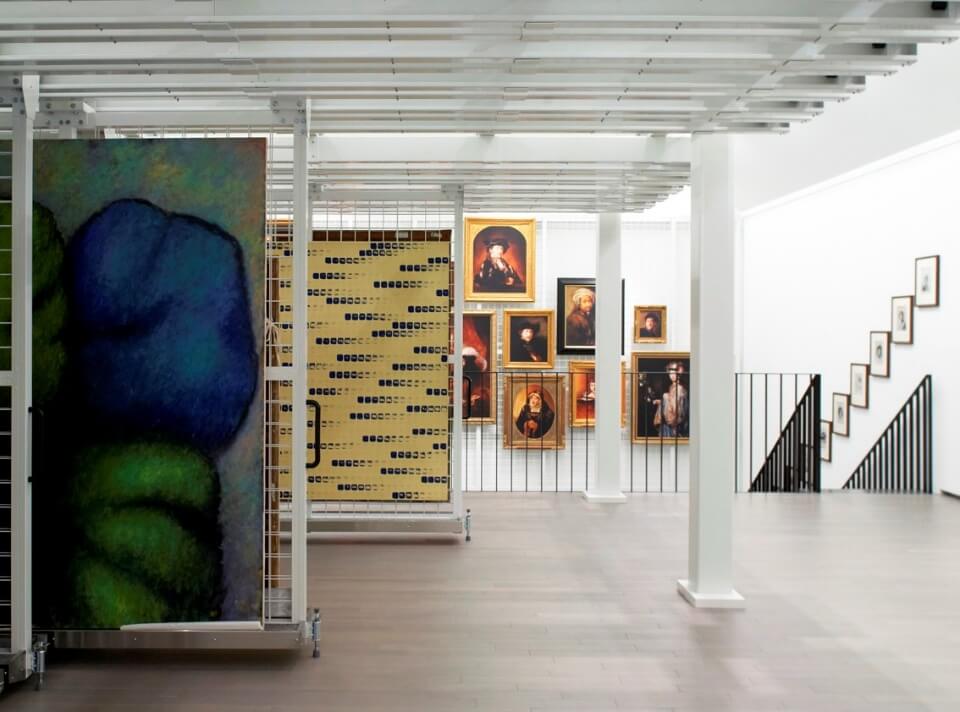
The open-shelf storage room at the Hara Museum of Contemporary Art ARC (photo by Sadami Saito)
well
That's very interesting. Of course, we have to treat the collections with care, and it's also important to communicate them in a way that's easy for the general public to understand, but to show what goes on behind the scenes at the museum, that is, to let people know more about the museum's activities, it's really important to think about not just the exhibits, but also the storage and management as a set.
mr.kato
In order for museums to be recognized as truly meaningful to citizens in 20 or 30 years' time and to continue to have a stronger presence in society than ever before, it is important for them to have an attitude and efforts that find value in the behind-the-scenes aspects of museums, such as storage facilities and research, and to show these activities to the public.
Thinking about what each of us can do for the future of museums
mr.kato
I am also interested in the "museum studies exhibition" that Tetsuya Yamamoto (currently at Kokugakuin University), who worked as a curator at the Niigata Prefectural Museum of History for many years, has been working on and is currently researching. This is an effort to show various behind-the-scenes aspects in the form of an exhibition, such as exhibits showing the work of conservation and restoration, exhibits showing the process leading up to the creation of an exhibition, and exhibits introducing the research and investigations of curators.
One of the reasons behind the increase in "museum studies exhibitions" in recent years is that the COVID-19 pandemic has led to museums temporarily closing and making it impossible to borrow and lend works and materials from other museums. As a result, perhaps museums have taken a fresh look at their own collections and considered the meaning of museums in society.
well
Yes. It may have been an opportunity for museum staff to rediscover the joy of showing the process, and the meaning and significance of making the invisible visible.
forest
So far we have talked about various initiatives, including the "visible storage facility." Finally, Mr. Kato, what do you think is important for museums in the future? And what role should museum planners like us play?
mr.kato
The people at NOMURA Co., Ltd. are already experts with a wealth of know-how, and are often involved when museums do something new, such as renovations, expansions, or new construction. Therefore, I would like them to proactively discover and enjoy the value of the museum, and to offer various suggestions on how to present and communicate it.
We mentioned "backstage tours" earlier, but if you work in a museum, you tend to think of the backstage area as simply a work area, with nothing flashy or worth seeing like the exhibition rooms. I imagine that in many workplaces, people tend to be conservative and unable to change even if they want to.
However, people from outside the museum see it as a very interesting and valuable place. The question is whether the museum can value those perspectives and ways of thinking. Whether it can lead to new realizations, such as "So the local people find this place interesting!" and whether it can be a catalyst for change, I think that is the key to the museum's survival.
Additionally, I recently read a piece of literature that listed three "values" of allowing visitors to enter the inside of the storage facility, so let me introduce them here (Note 1).
First of all, there is the "randomness" - the value of chance, that of coming across something that interests you within the collection.
Next is "transparency." This is the new value that is secured by entering a space that was previously hidden.
The last point is "surprise." He said that the value comes from the "surprise" of discovering how much material there is in the storage facility, how valuable items are collected, and how much cost, technology, and know-how are being spent to preserve the collection for the future.
It is also important to strike a balance between how museum staff interact with viewers who have gained these three values. When a viewer happens to come across something interesting, when and how should they reach out to them? This can be done by anyone, whether a volunteer or a curator, but I think it is important.
forest
I see.
mr.kato
Furthermore, I do not think that the efforts I have mentioned so far should be undertaken only by museums. Museums are open spaces for the public, and the public should have the "right of access" to the museum's collections. If there are "rights," wouldn't it be reasonable to think that there should also be an "obligation" on the part of the public to be more actively involved in the preservation and utilization of the collections? I feel that this aspect of "obligation" is a perspective that has not received much attention up until now.
We, as citizens, have a "duty" to think together and act on how we can protect and pass on the museum's collections and materials, which are our "treasures."
In that sense, the current crisis facing the "storage facility" may be a good time for everyone to think again about the "storage facility."
forest
In addition to making greater use of the collection, the "storage exhibition" and "visible storage facility" are also expected to serve as a forum for citizens to think about the various challenges facing the storage facility and collections.
Thank you very much for your very insightful talk today.
Note 1
Sarah, Bond (2018) “Serendipity, Transparency, and Wonder: The Value of Visitable Storage,” in Mirjam Brusius and Kavita Singh (eds.), Museum Storage and Meaning: Tales from the Crypt, pp.64-82.
[Examples of collection and exhibition implementation]
Nagasaki Museum of History and Culture: "Nagasaki Arts and Crafts" Exhibition Room (2005)
https://www.nomurakougei.co.jp/achievements/page/nagasaki-museum-of-history-and-culture/
Nomi Furusato Museum (2020)
https://www.nomurakougei.co.jp/achievements/page/nomi-furusato-museum/
Shitara Town Okumikawa Local Museum (2021)
https://www.nomurakougei.co.jp/achievements/page/shitara-town-oku-mikawa-folk-museum/
Text: naomi
Like this article?
- editor
-

-
Web version of "Cultivate" team
Cultivate, which proposes the future of the "cultural environment," is relaunching as a web version on nomlog for the first time in 10 years.