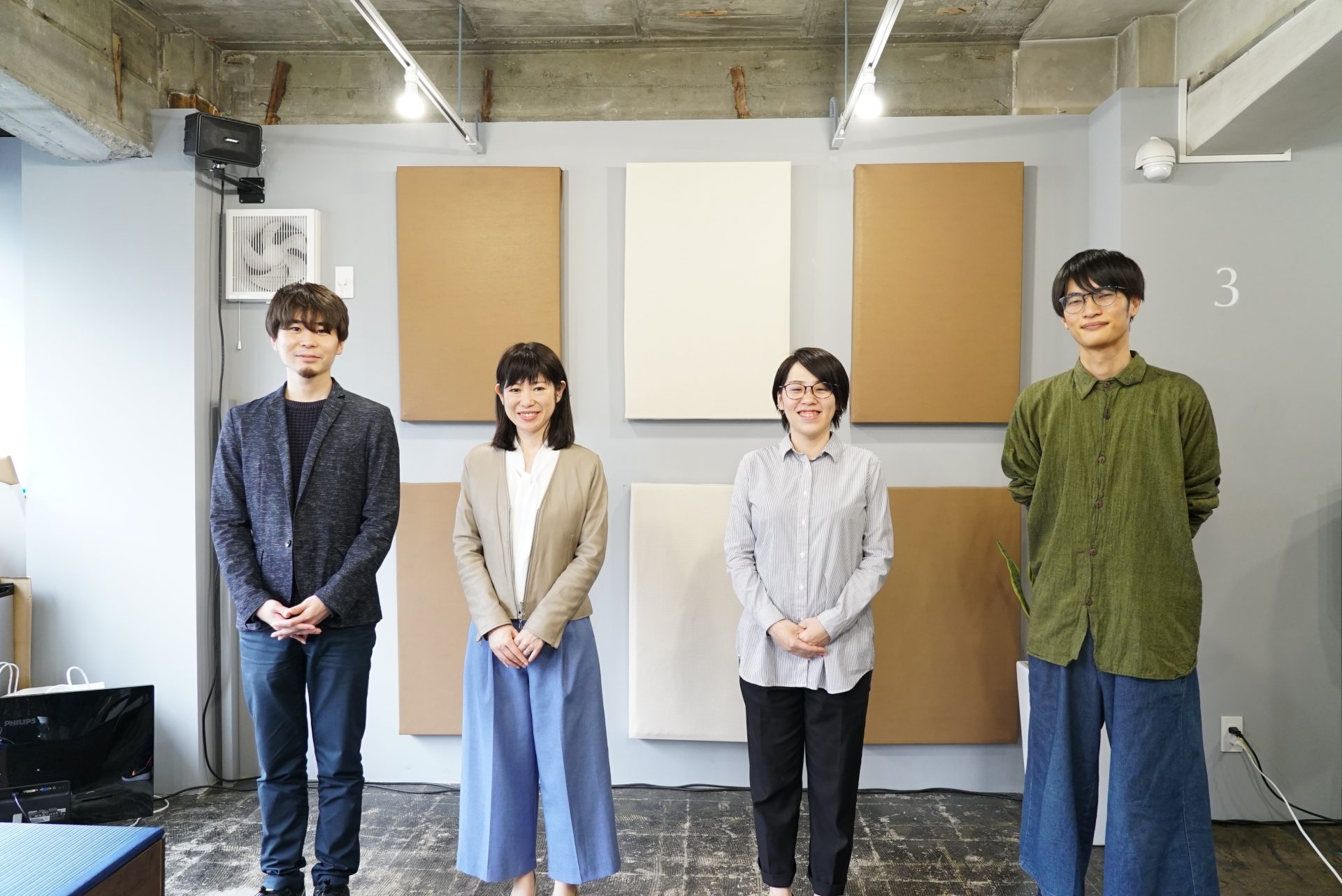
A look back at the three-day collaborative exhibition that came to fruition when "sound travel" and "material sound" met. MIDNIGHT PIZZA CLUB (Nakano Taiga, Abe Yusuke, Kamisde Ryohei) x noon by material record
2025/06/11- share
-


- text and edit by
- Future Creation Research Institute
The R&D project "material record" that NOMURA Co., Ltd. Future Creation Research Institutehas been working on, and the resulting audio device "noon by material record"* (hereinafter referred to as "noon"). It was recently exhibited at an event at the Osaka Healthcare Pavilion at the Osaka Kansai Expo, but its first public appearance was at a publication event for MIDNIGHT PIZZA CLUB's (hereinafter referred to as "MPC") first book, "MIDNIGHT PIZZA CLUB 1st BLAZE LANGTANG VALLEY," held in Harajuku, Tokyo in December 2024.
At first glance, the two seem to have absolutely no common ground. However, it would not be an exaggeration to say that they were destined to meet.
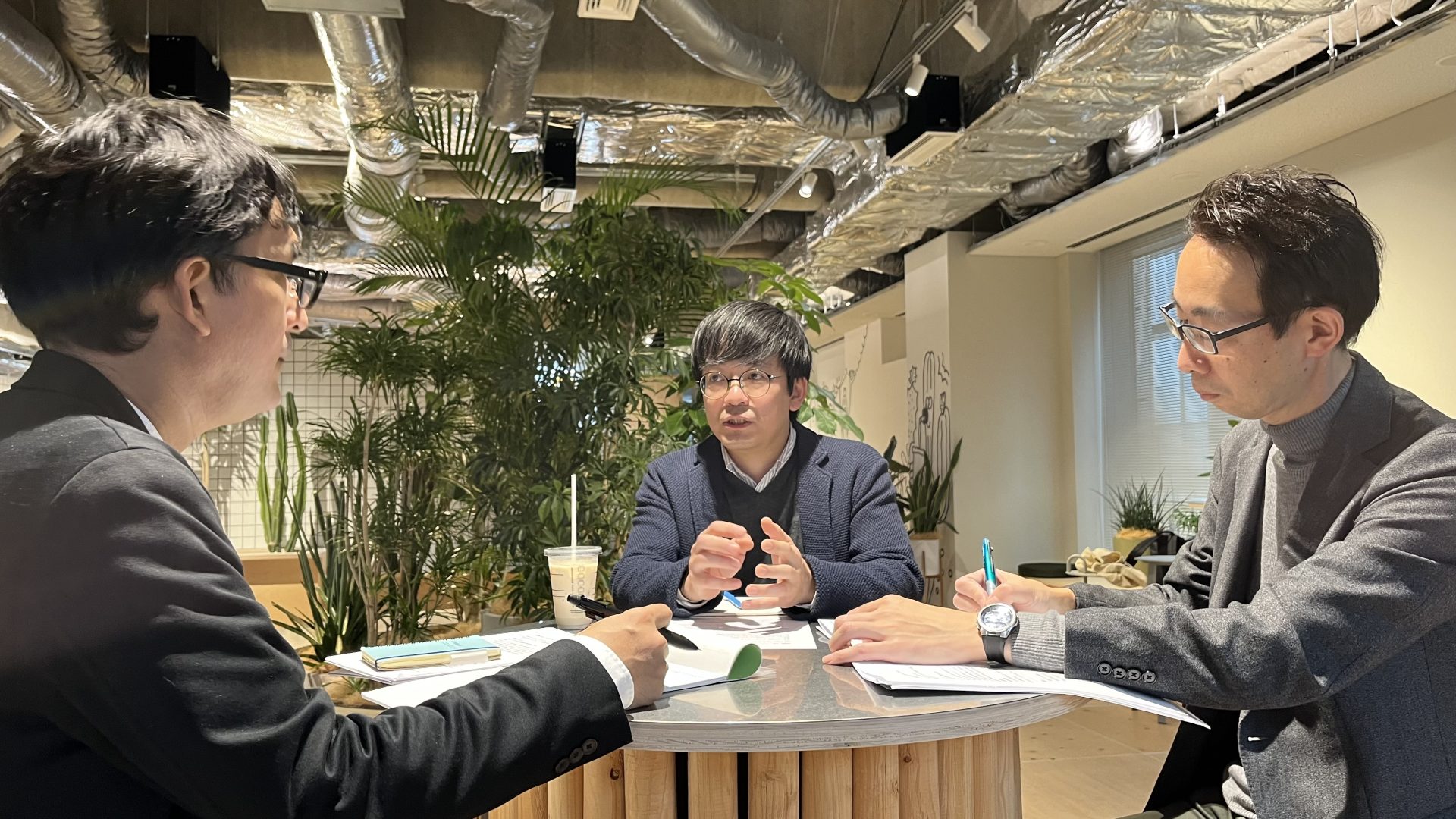
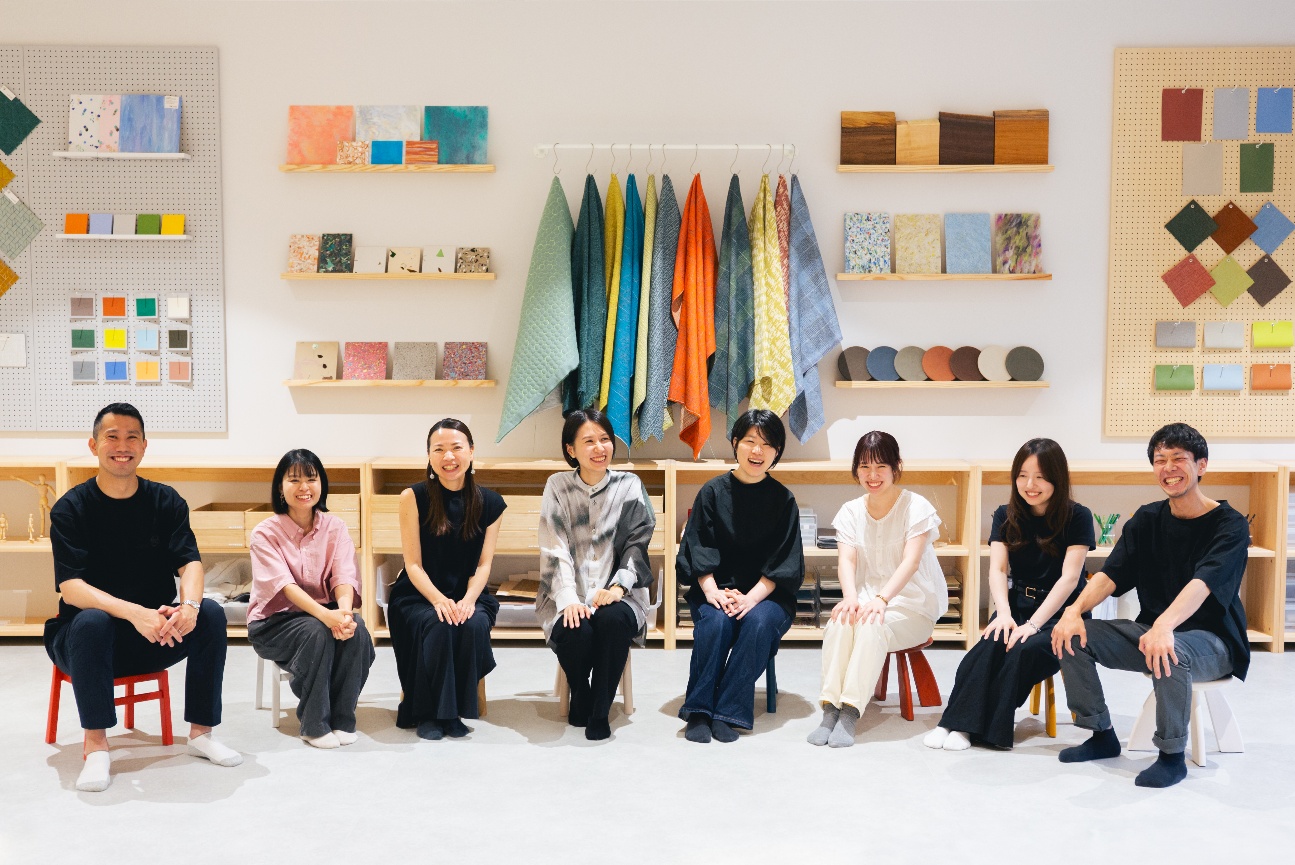
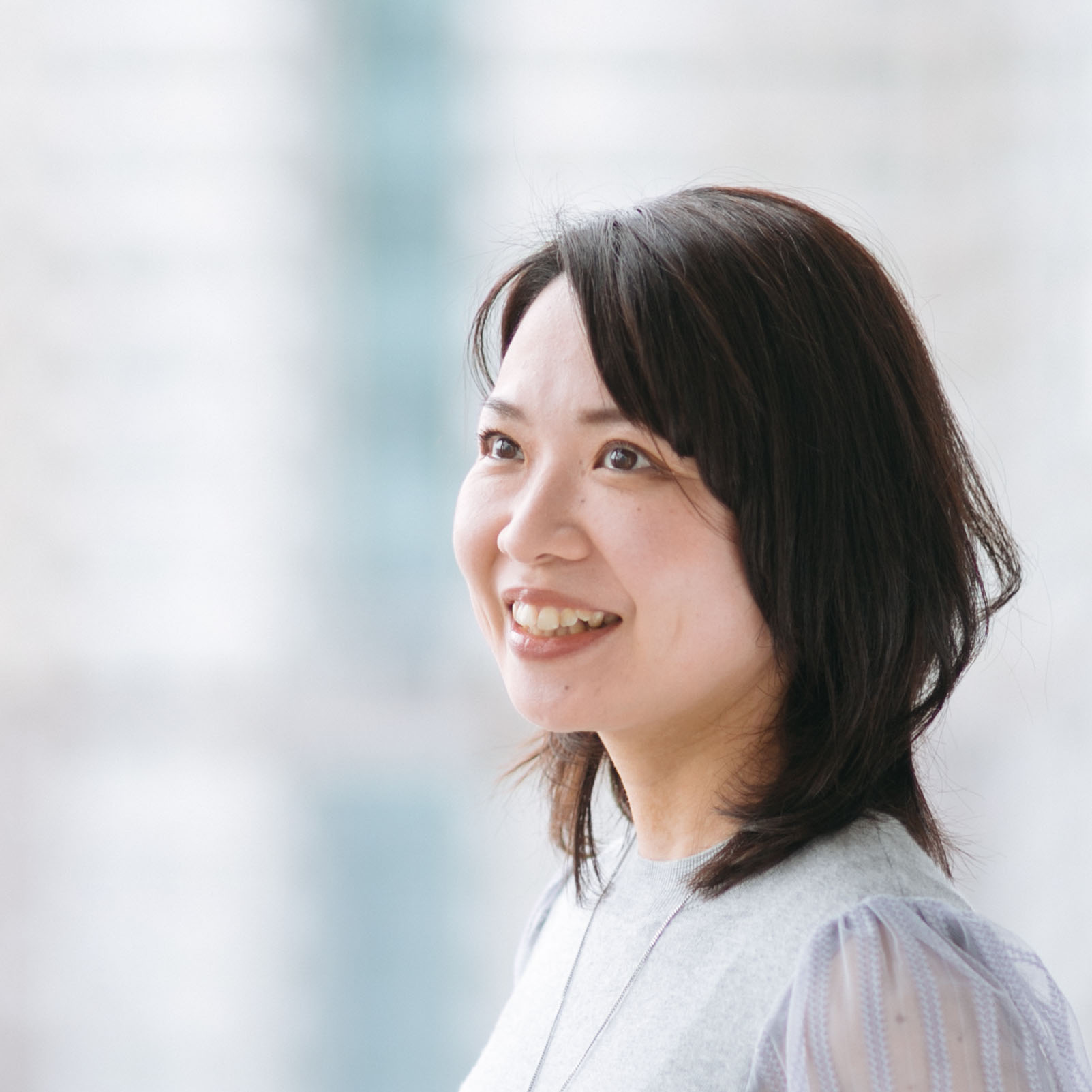
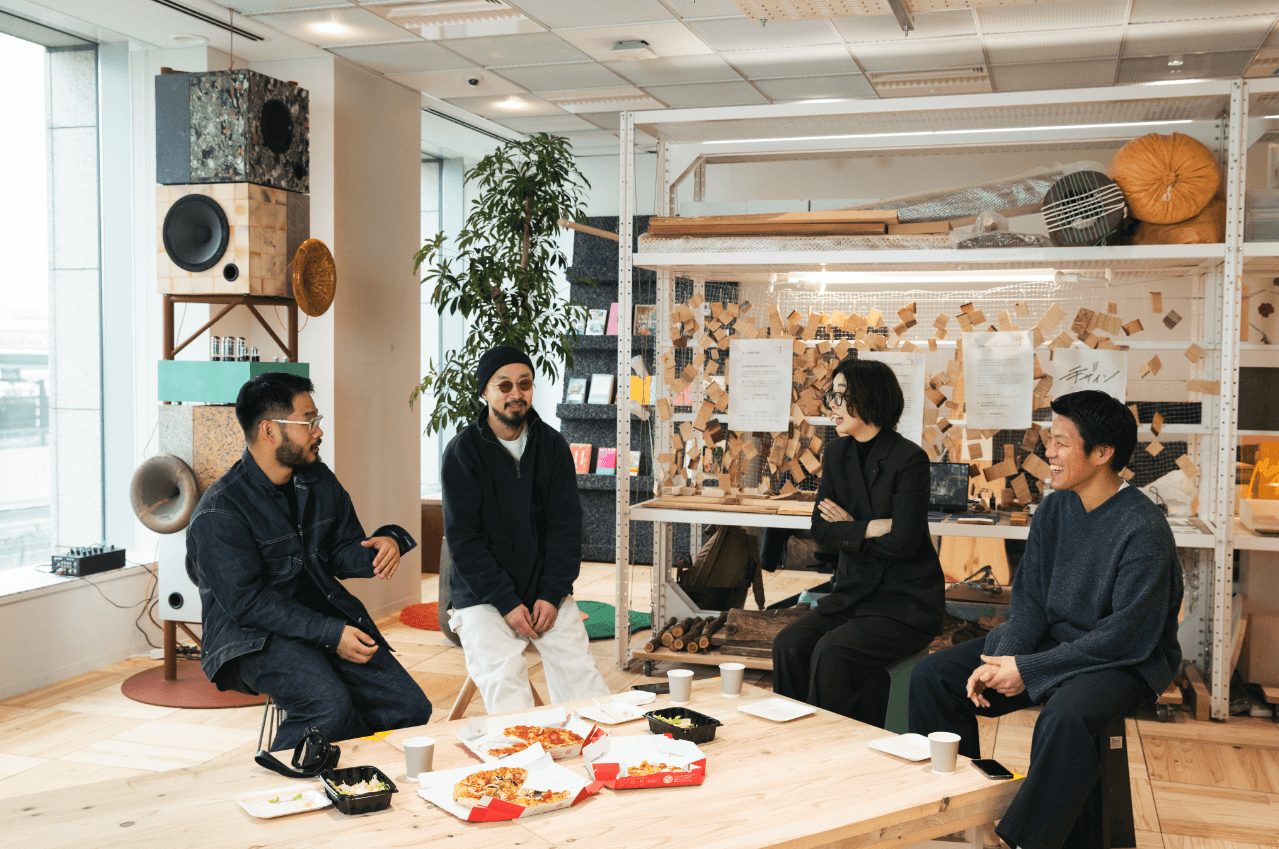
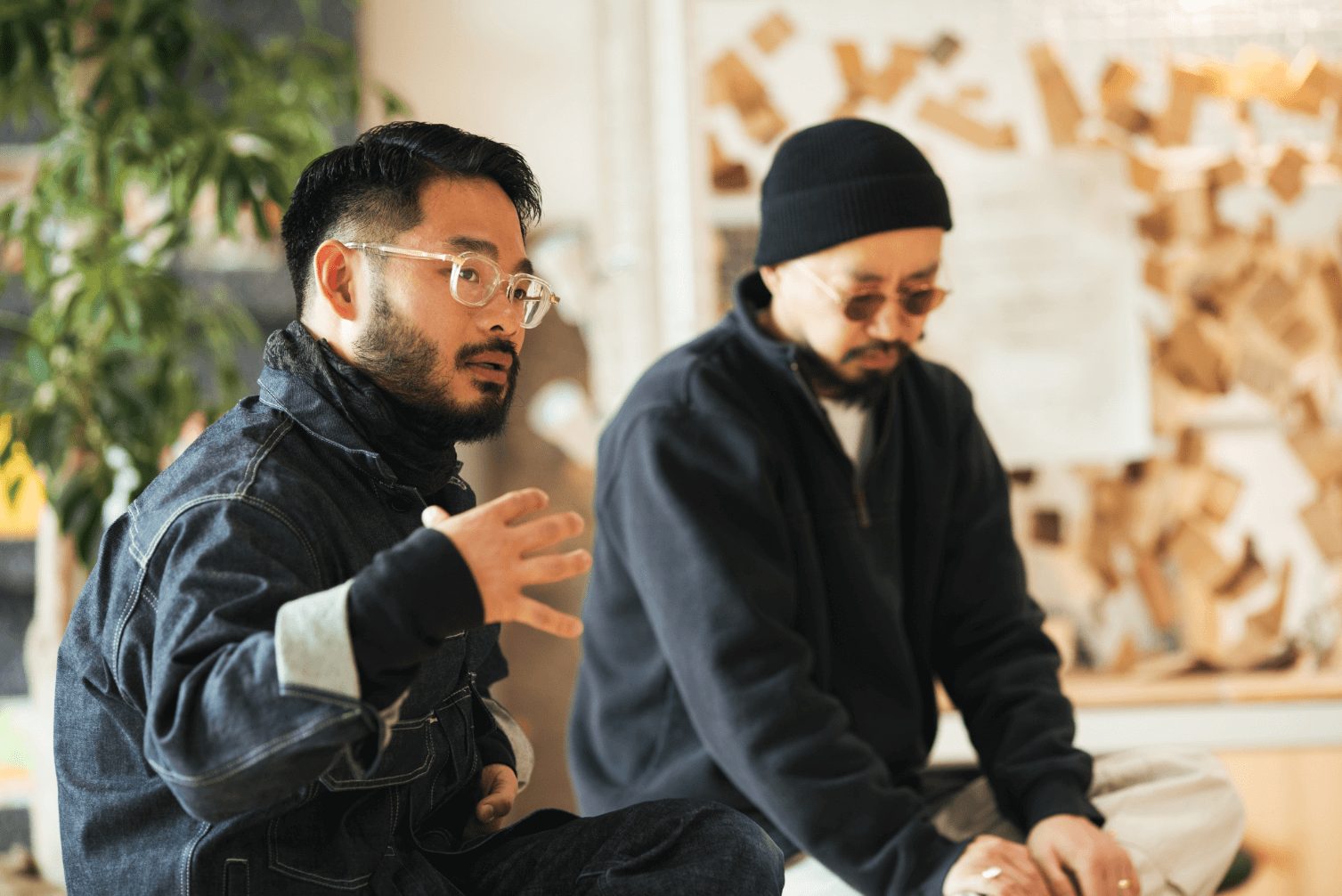
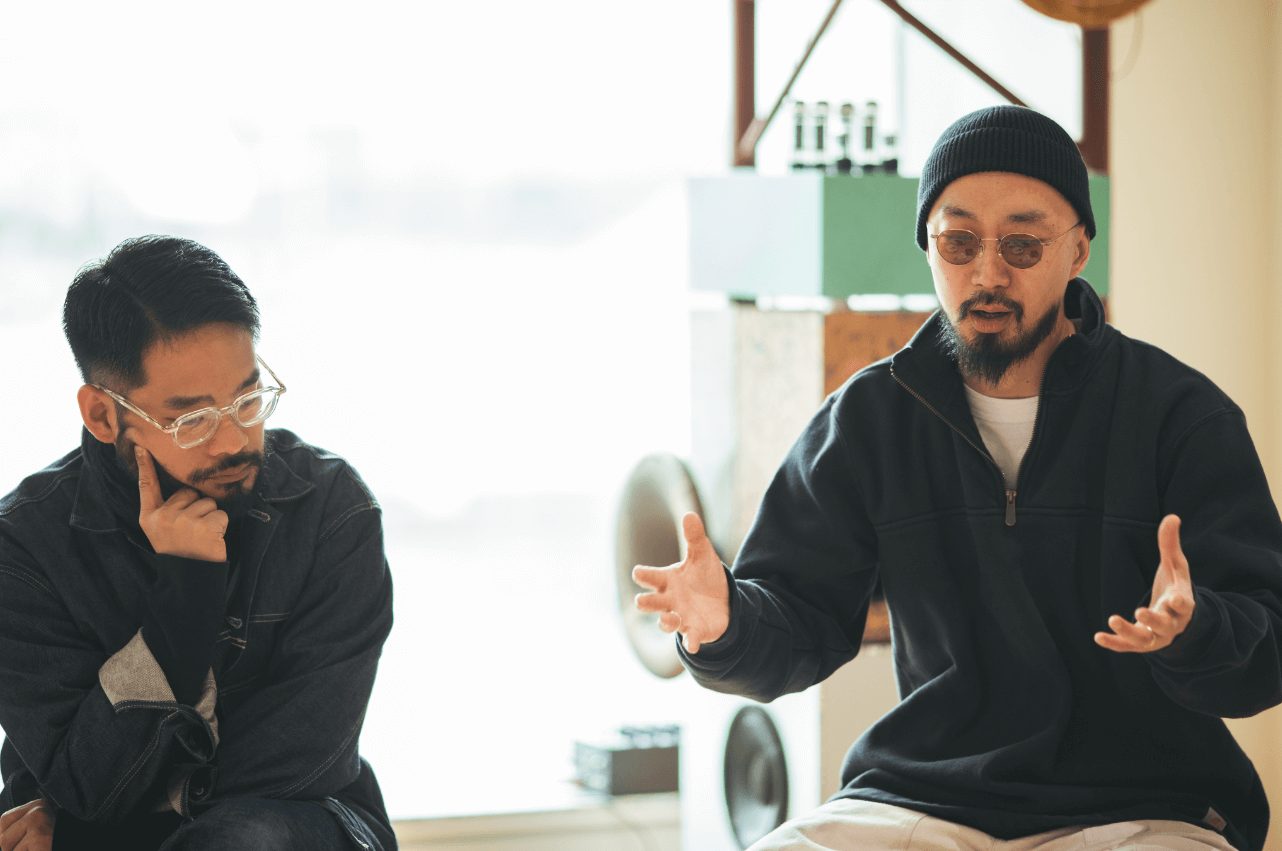
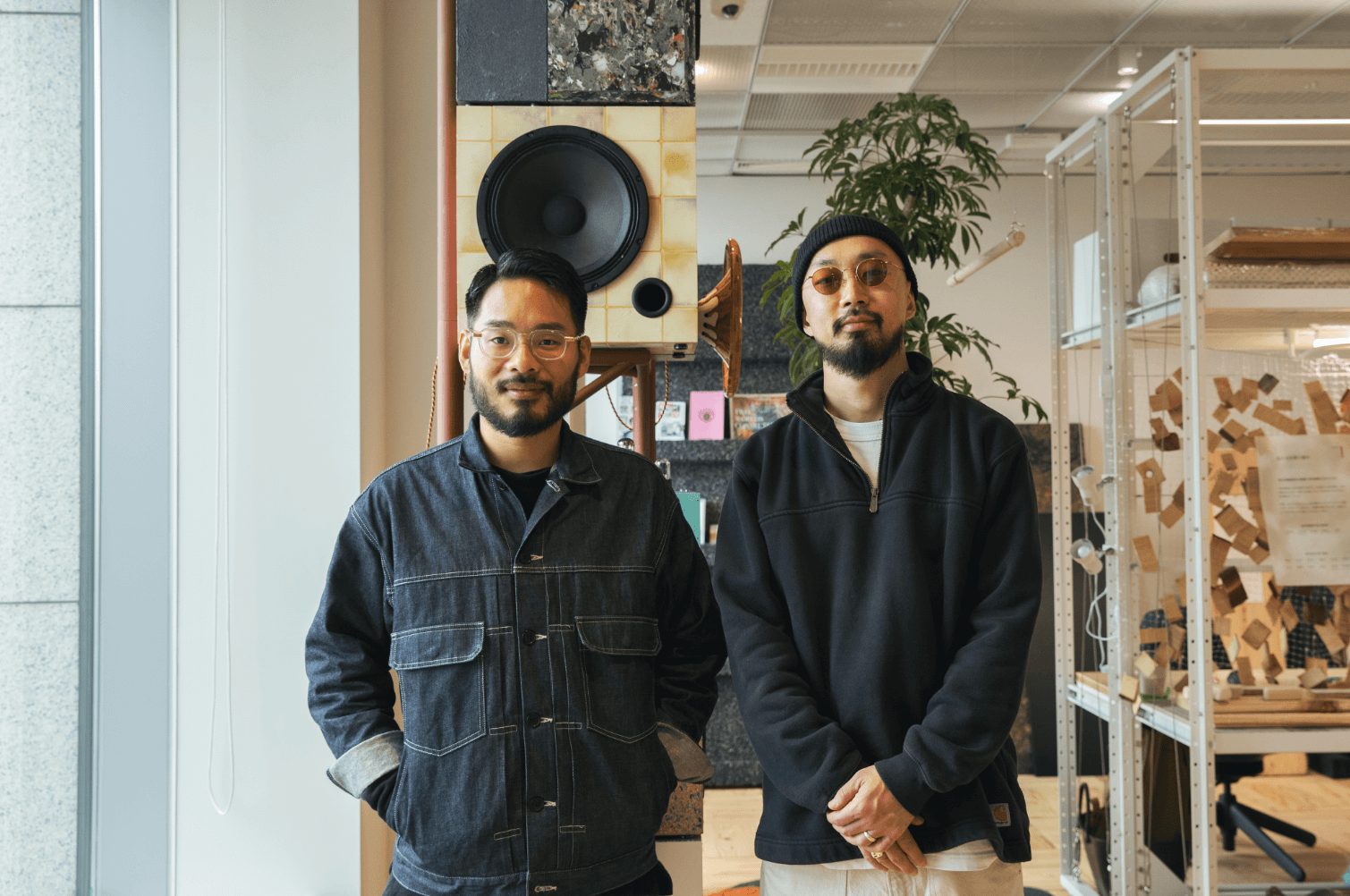
A few months have passed since the event. Abe Yusuke and Kamisde Ryohei found time in between their busy schedules to visit the Future Creation Laboratory office in Odaiba, Tokyo. The three "noon" project members sat down with us to talk about how the collaborative exhibition came to fruition, and what has happened since then, over freshly delivered pizza.
profile
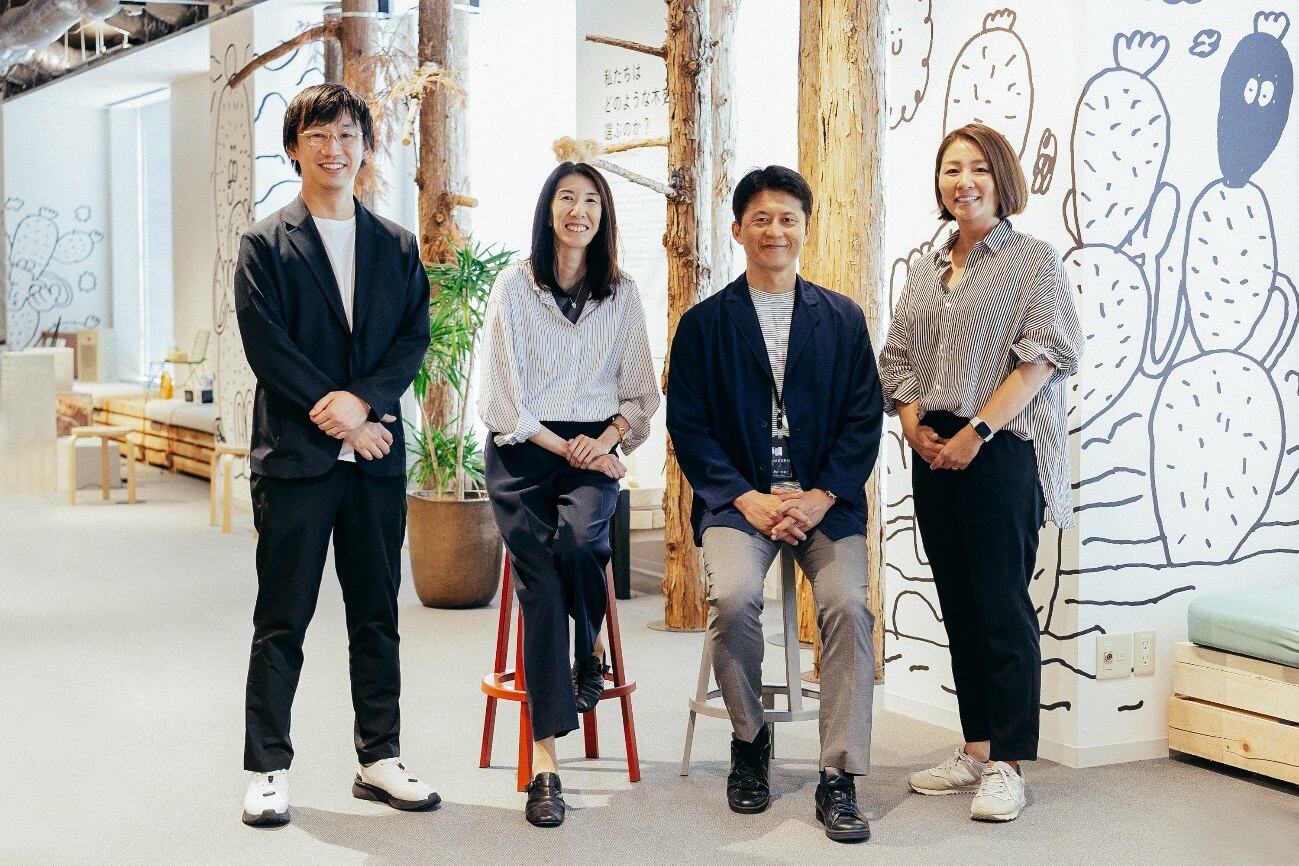
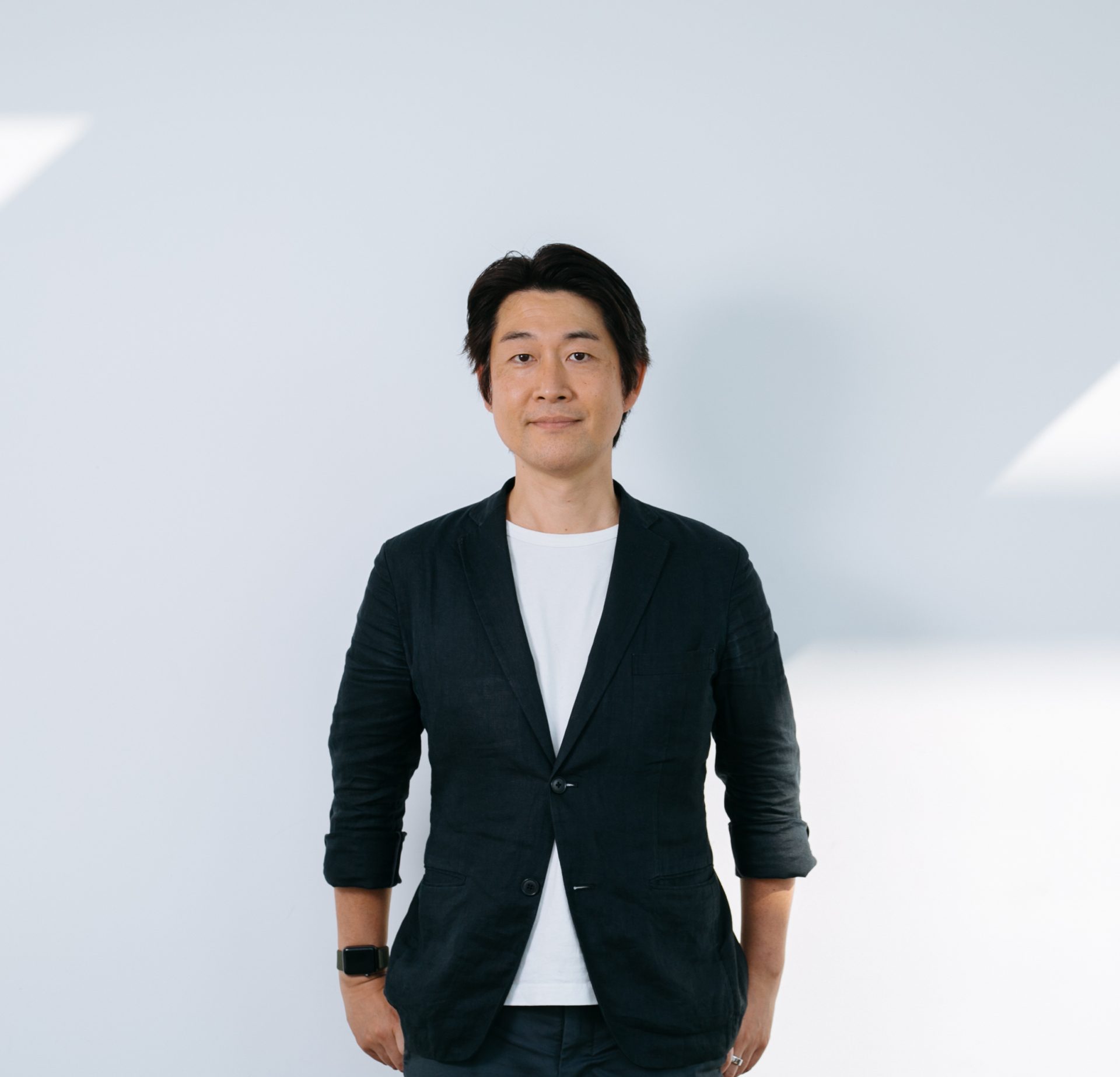
MIDNIGHT PIZZA CLUB
A travel circle formed by actor Taiga Nakano, photographer Yusuke Abe (center left), and TV director Ryohei Kamisde (center right). The first book, "MIDNIGHT PIZZA CLUB 1st BLAZE LANGTANG VALLEY" (Kodansha), which chronicles their journey walking through Langtang Valley in the Himalayas, will be published in December 2024. The second book will be about their journey through the Appalachian Mountains in the northeastern United States, and the third book will be about their journey through New Zealand.
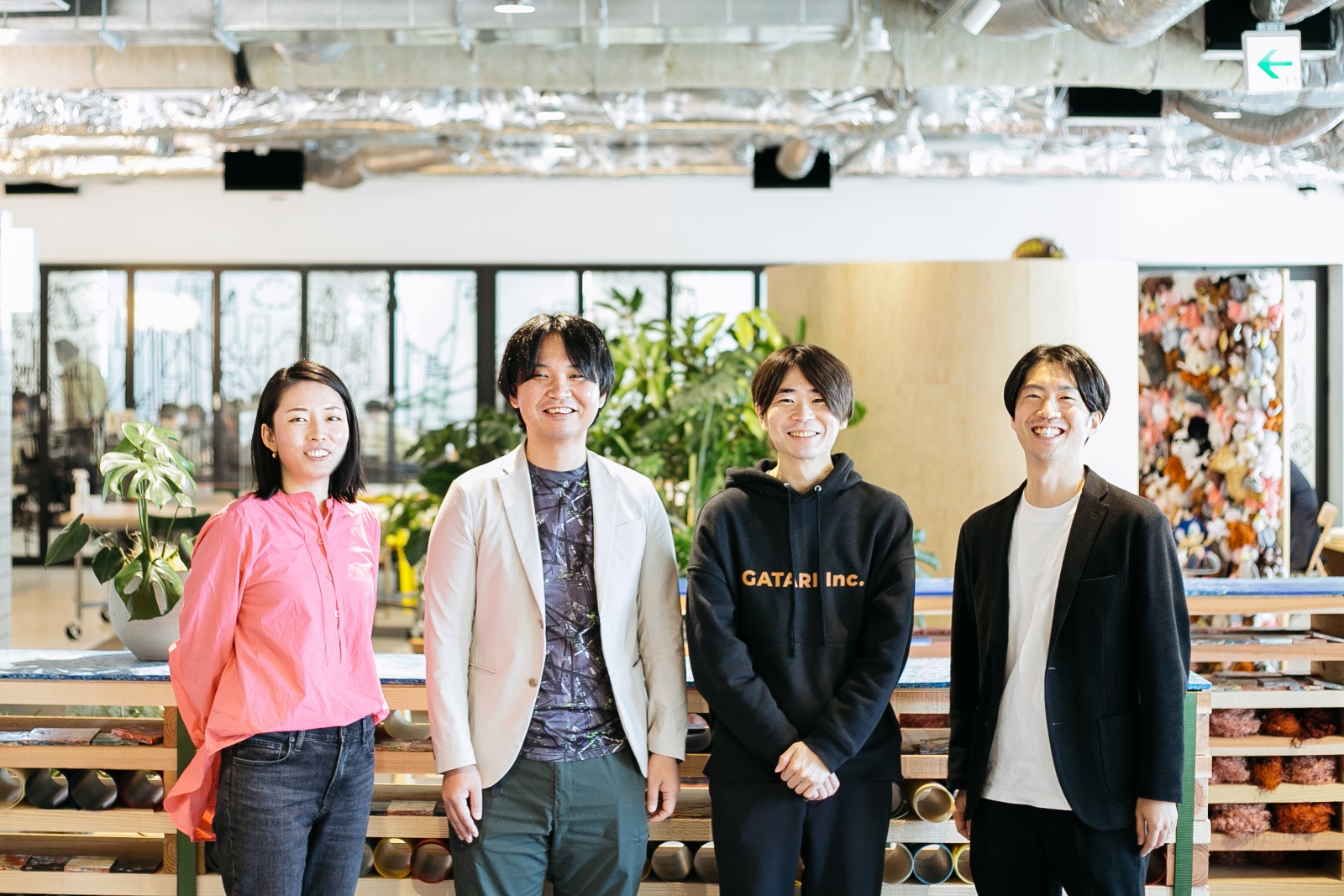
NOMURA Co., Ltd. Future Creation Research Institute
"noon by material record" project team
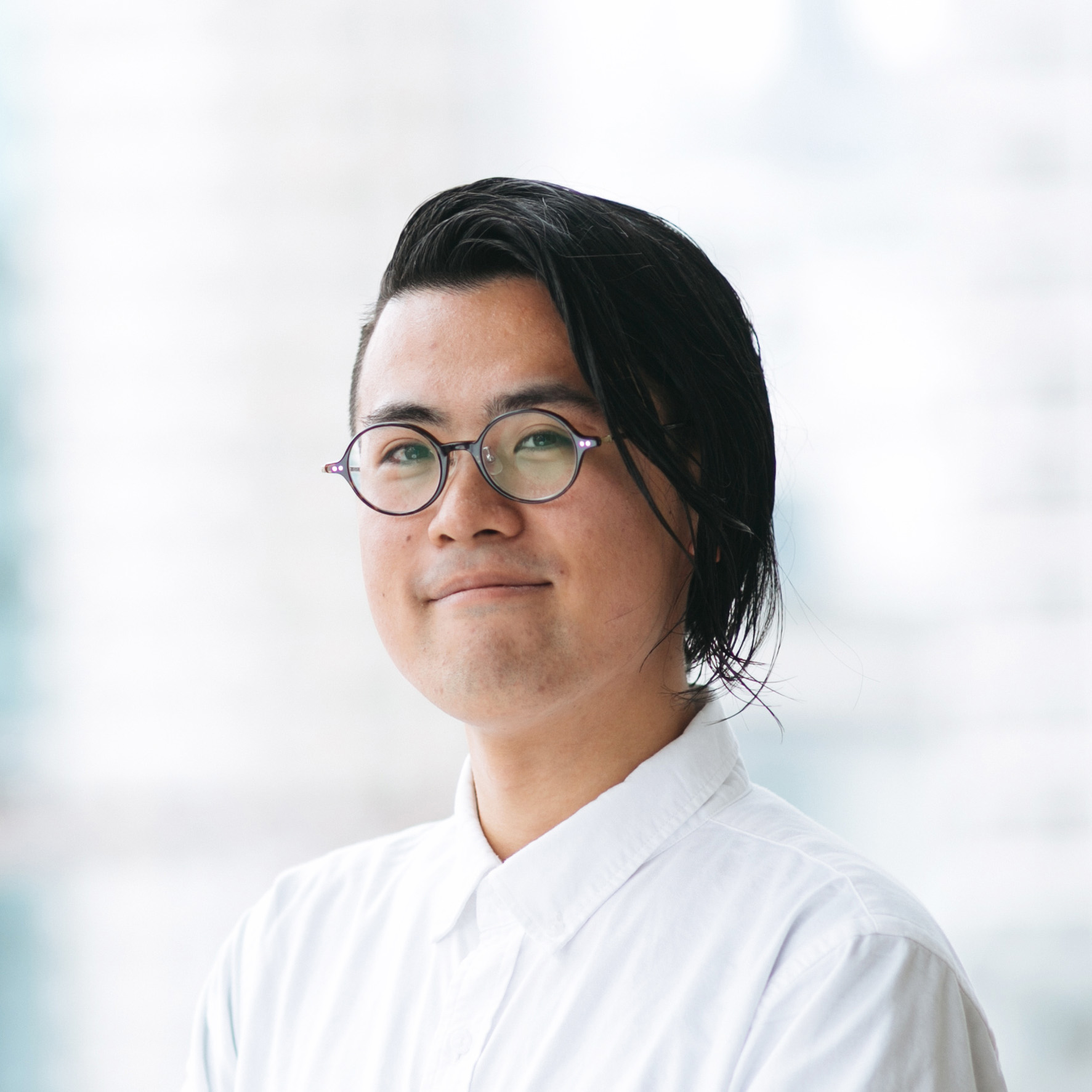
Hajime Oyamada Designer
He specializes in computational design using programming, and is involved in creating spatial experiences that combine spatial design and media content, such as special exhibitions, VR content, and observation facilities.
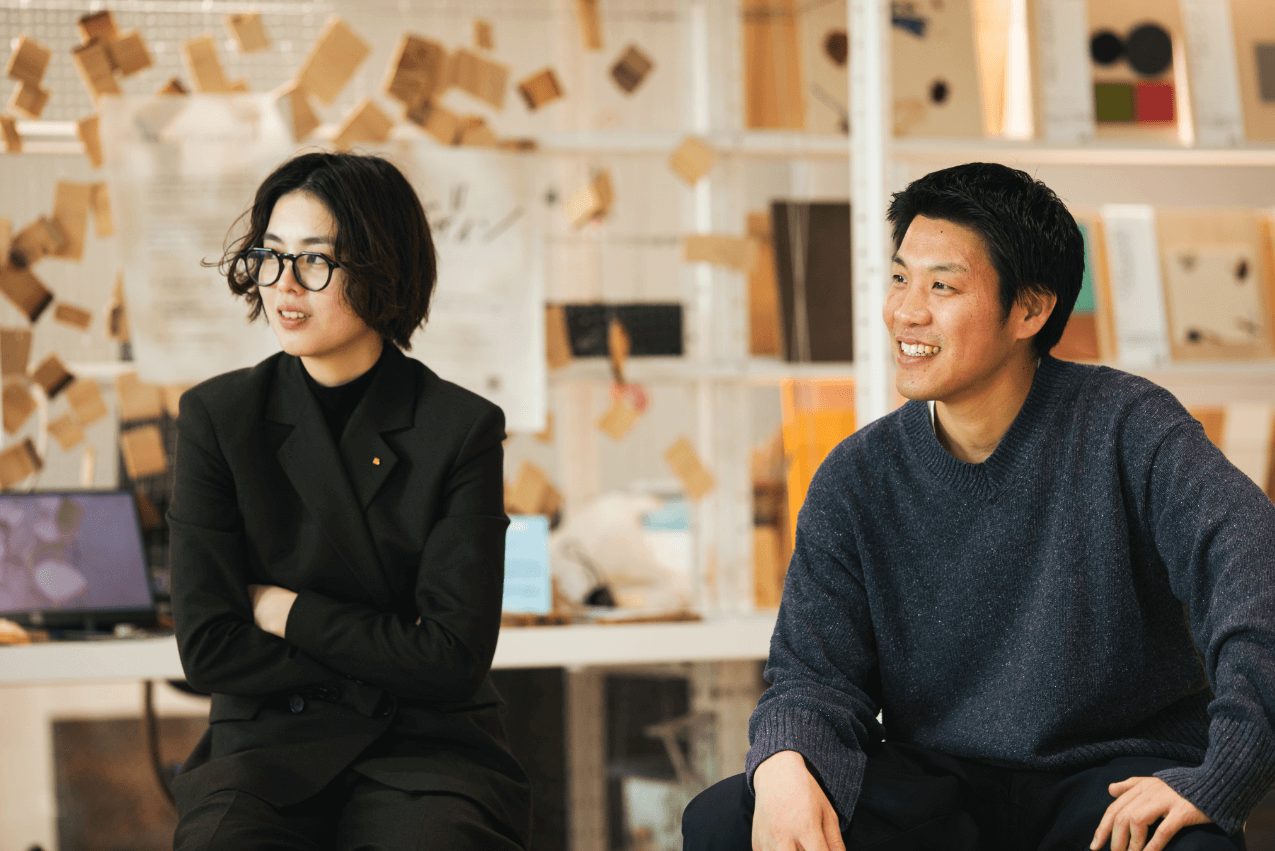
Daichi Yamada Account/Producer (right)
A member of Nomura Medias, he mainly works with luxury brands as clients, and is involved in the overall production, including not only construction and art, but also operation and direction. While facing the challenges and responsibilities of the scrap-and-build industry, he works to create experiences that naturally draw attention to materials and the environment.
Hara Naoru Account (photo left)
Affiliated with Nomura Medias. Majored in metalwork at university, and aspires to become a director with knowledge of craftsmanship. In charge of a wide range of projects, from seasonal decorations for commercial facilities to local art festivals. Considering the nature of decorations for short-term use, he is working on activities to draw attention to materials.
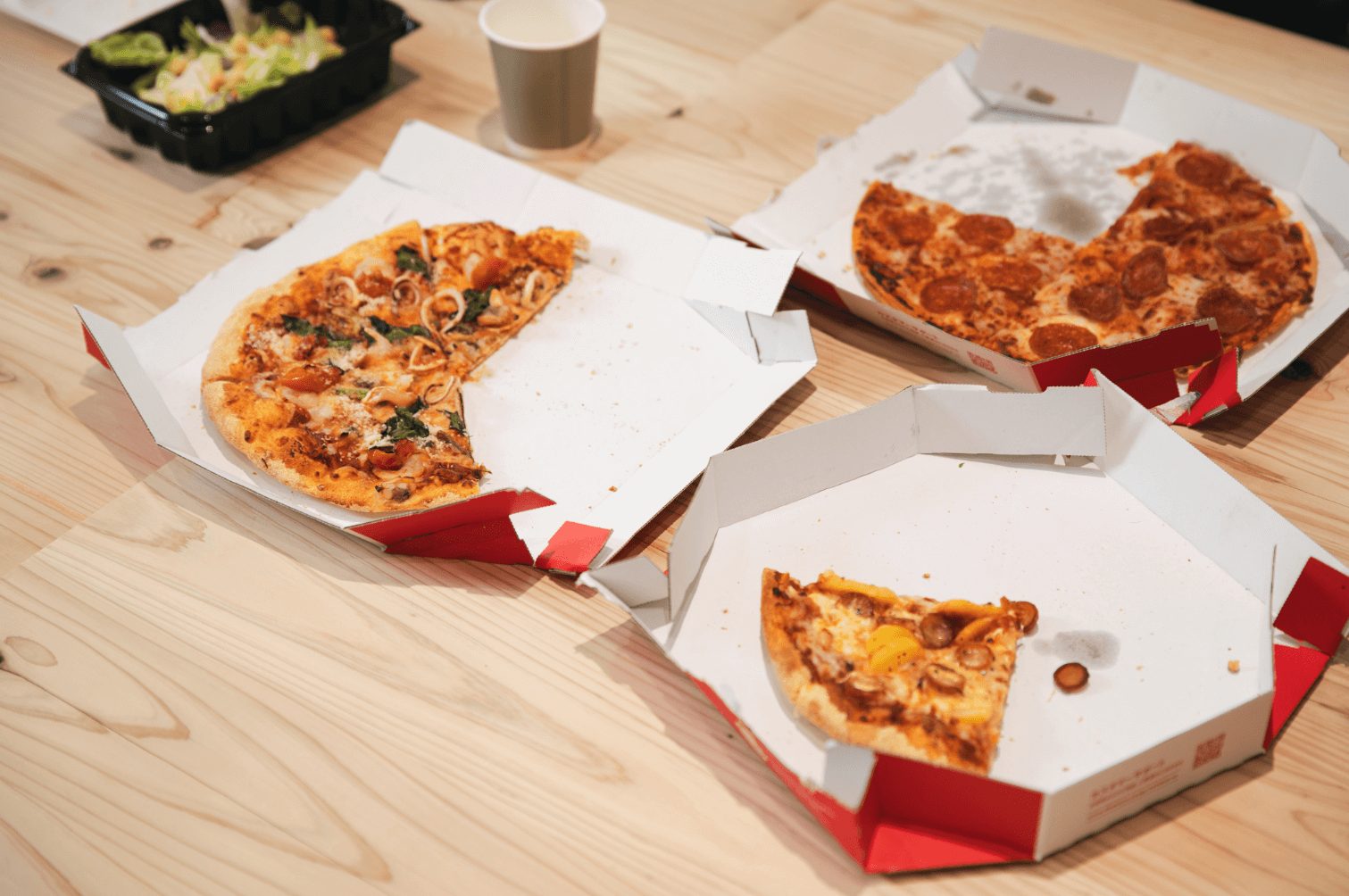
As everyone munched on the freshly baked pizza before it got cold, we first heard about the origins of "material record" and the sound device that was born from it, "noon."
It all started with "How do you make a business plan?"
Yamada
Here, we collect and study samples of sustainable materials made by various manufacturers, and we thought that when we exhibit these materials to designers both within and outside the company in 2023, we could create an interesting presentation.
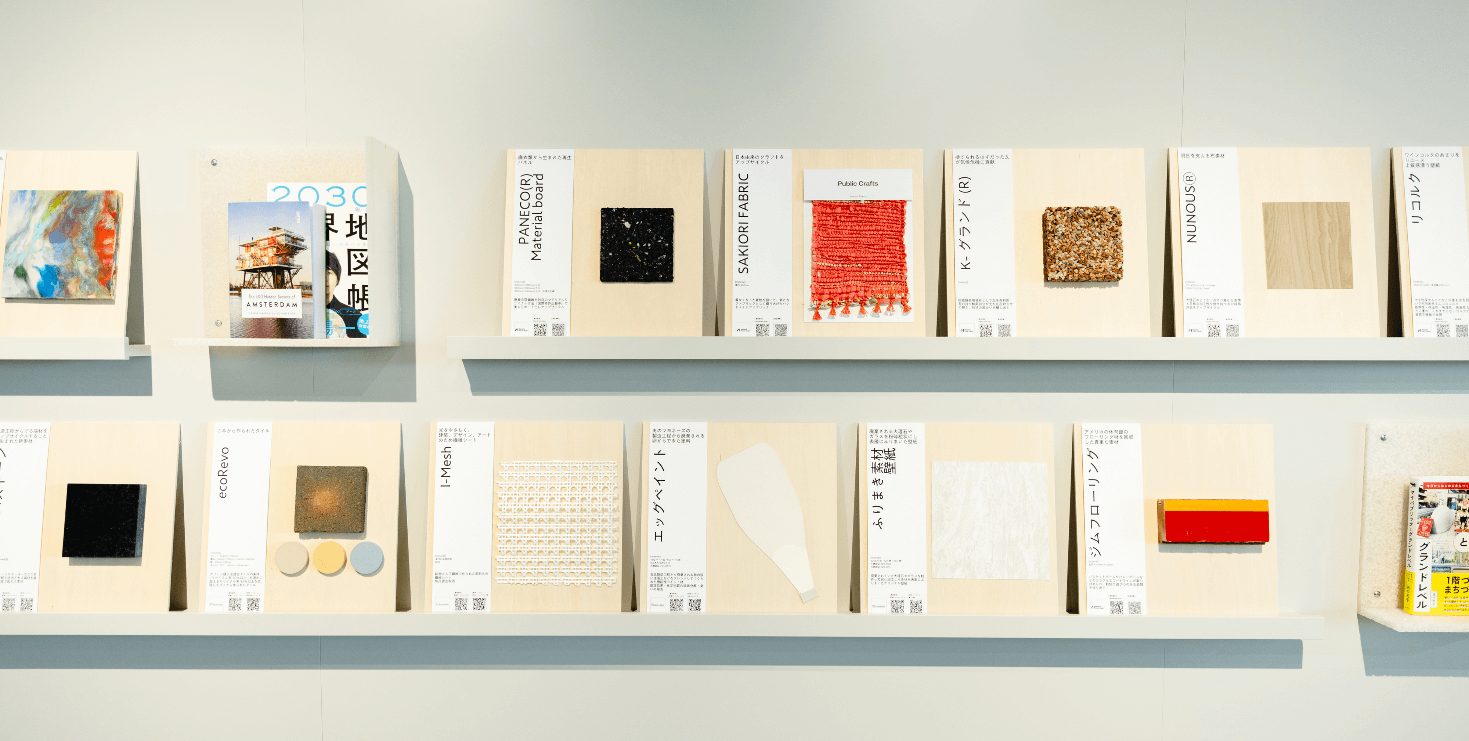
So, instead of just lining up the material samples, the idea was born of using the materials as analog record jackets and displaying them as if one were digging through a record. Furthermore, since we were going to open a record shop anyway, we thought why not make speakers as well? This led to the creation of "noon", a prototype made by reusing anti-splash partitions that had been used during the COVID-19 pandemic. This is where the concept of sound x material was born.
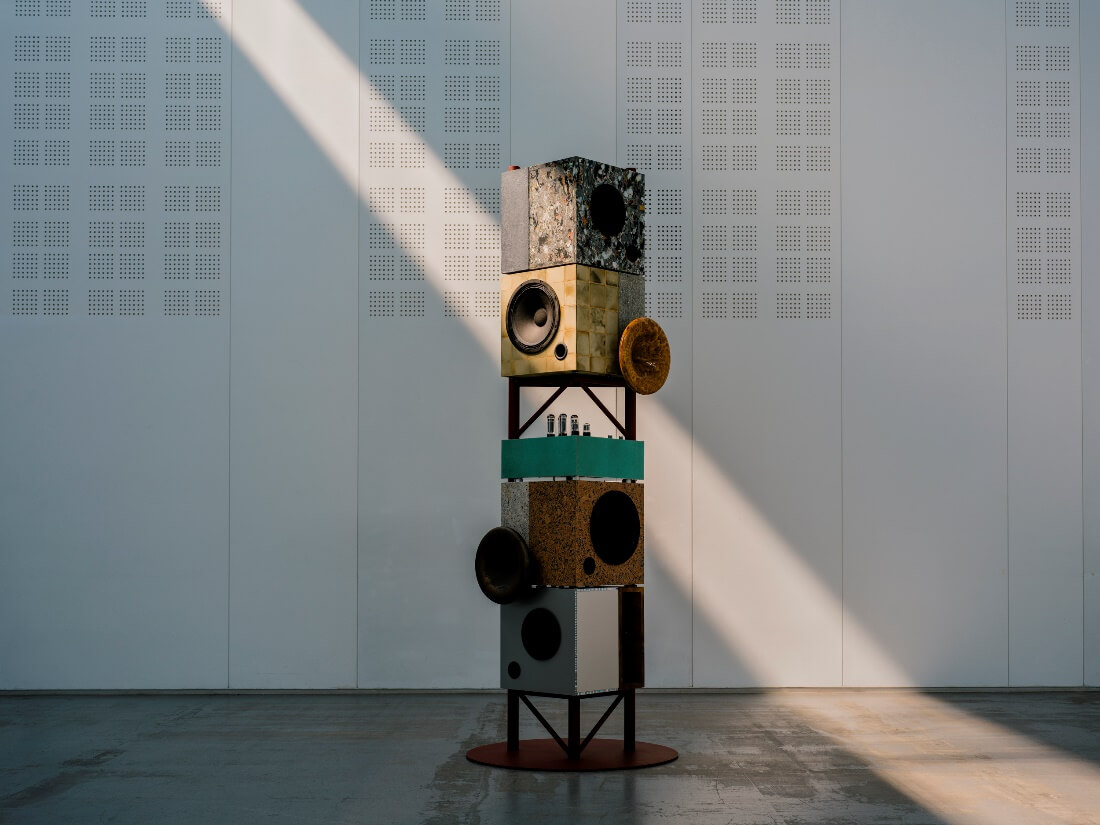
Then, production began in earnest, andthe first product was named "pillar". Oyamada incorporated the idea of converting the earth's resources into sound into the design. Unfortunately, he was absent on the day of the interview, but he provided us with a comment.
Oyamada
The materials used are extremely diverse, ranging from natural to industrial products. They are all unique, including construction waste, marine plastic, food waste Greenpeace, abandoned wooden boards, and 3D printed ceramic horns. The reverberation changes depending on the material, and the sound also has its own unique character, so people who are drawn to it will think about resources through their musical experience. That was the communication concept we came up with.
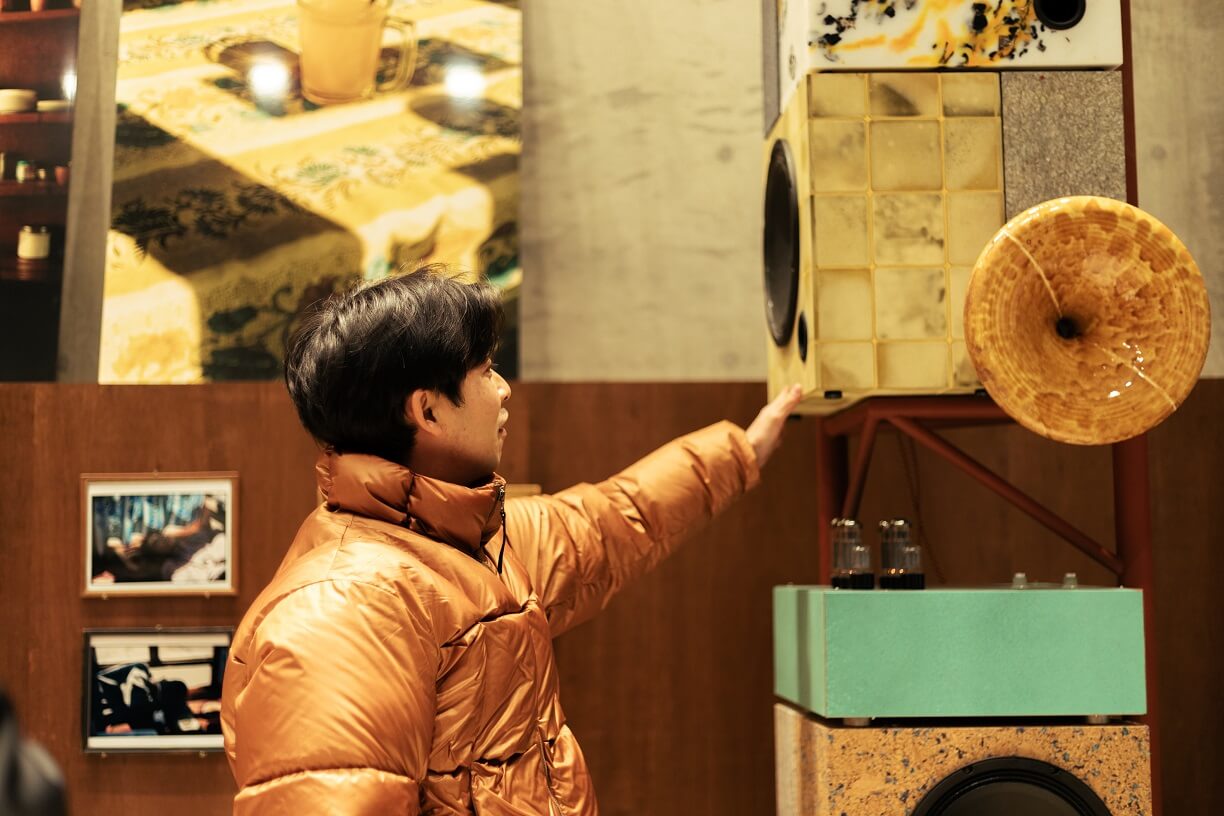
The speakers are assembled like blocks and stacked vertically to represent the fault lines of the earth. The design combines a variety of materials, linking the furniture to the space, and at first glance it looks more like an objet d'art than a speaker.
And of course, because these are speakers, we paid particular attention to the sound. We used a vacuum tube amplifier that we asked the Komatsu Acoustic Laboratory, a craftsman known only to those in the know, to make. I was surprised at how the impression of the sound changed completely, even with the same speakers.
The combination of sound and materialswas an unprecedented, experimental approach inspired by the personal hobbies and interests of Yamada, Oyamada, and Hara, who were involved in the project, but it seems to have been well received.
original
Until then, I felt that people were not very interested in sustainable materials, and that the message was not being conveyed, but when I made and exhibited the speakers, I was surprised at the many questions people asked me. So I said that I would like to make "noon" available to the public at some point.
At the same time that "noon" began, MPC also started in New York, USA.
Yusuke Abe (hereinafter, Abe)
For more details, I would encourage you to read the beginning of the book "MIDNIGHT PIZZA CLUB 1st BLAZE LANGTANG VALLEY," so I'll give a very rough outline here (laughs).
I was working and Kamide was returning home, so we were on the same flight to New York. So I casually contacted him about three days before departure, asking, "Should I invite Taiga?" Of course, he was busy and said, "I can't go," and I thought, "Well, that makes sense."
However, until I arrived in New York, I received a lot of messages from Taiga as if he was overseas, so I thought, "What? Can't be?", but it turned out he had already arrived in New York.
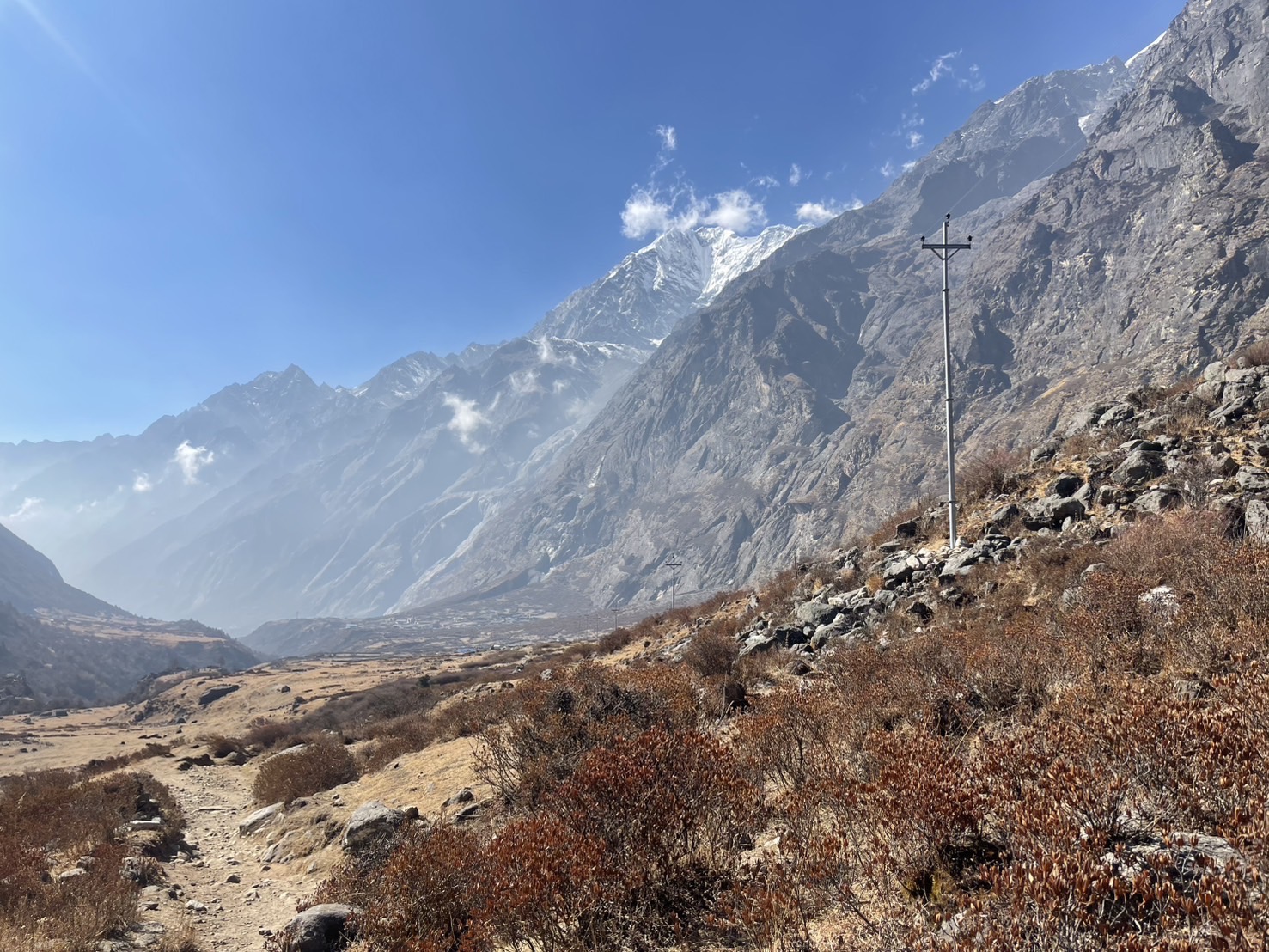
After that, the three of us just played around and had a great time. I don't remember much about this part (lol), but we went to a pizza place late at night and while we were talking, we decided on the name MIDNIGHT PIZZA CLUB (hereafter MPC) and that we would travel to Langtang Valley in the north-central part of Nepal. Langtang Valley is a trail course known as "one of the most beautiful valleys in the world."
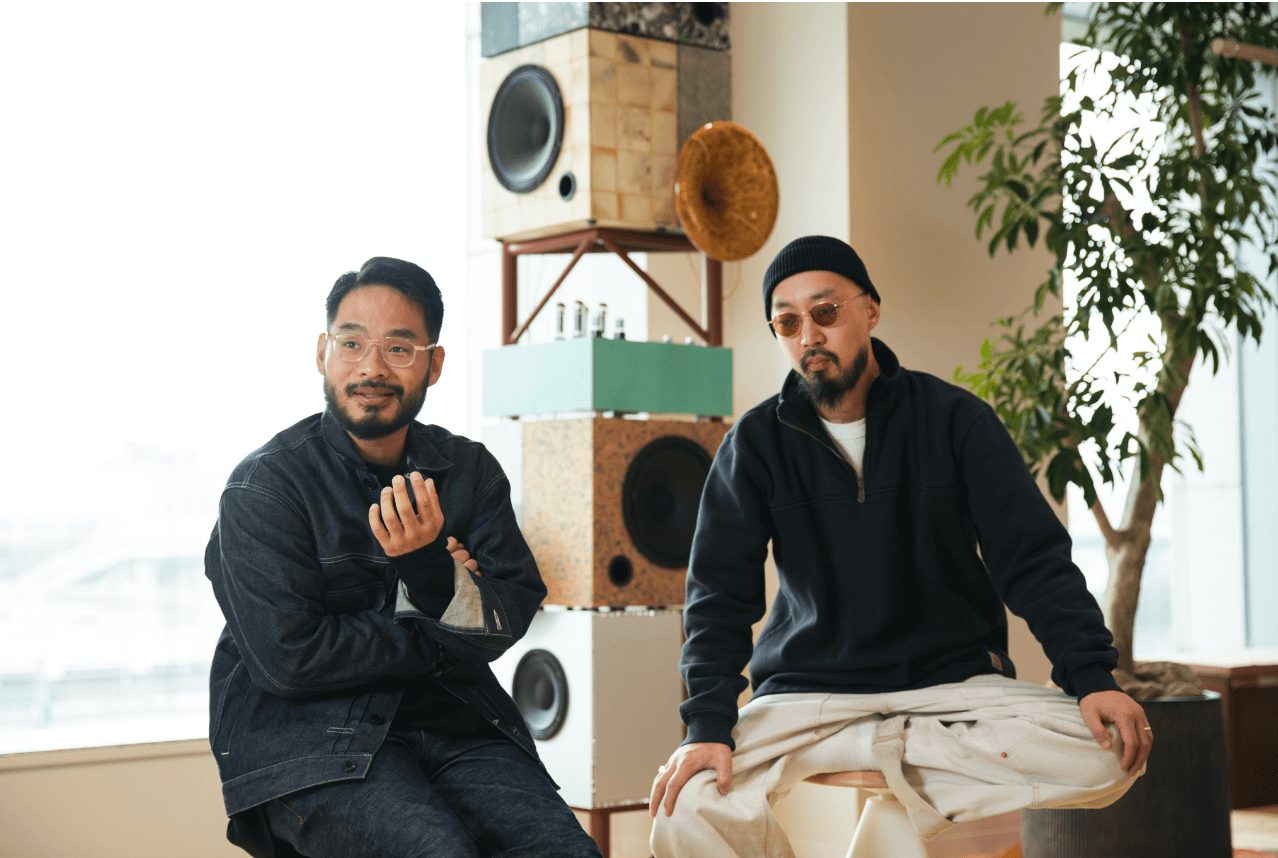
This was the first time that the three members of MPC had ever met. Until then, Abe and Kamide had been friends since they worked together on an advertising project, and they had talked about mountain climbing and cameras. Kamide and Taiga had become friends through an acquaintance, and had even traveled to Alaska together.
The story unfolds like a drama from the beginning, but Abe says that he didn't have enough money for the trip to Nepal at the time. He tried to write a proposal to find sponsors, but he didn't know how to write one in the first place. So he consultedYamada about how to write a proposal.
In fact, Abe and Yamadaare close enough to each other that they even compete in tennis tournaments together.
It is from these personal connections that the outline of the project takes shape.
Go on a trip and connect yourself to the world
The three members of MPC decided to record their trip to Langtang Valley in Nepal using photographs and audio.
Ryohei Kamide (hereinafter referred to as Kamide)
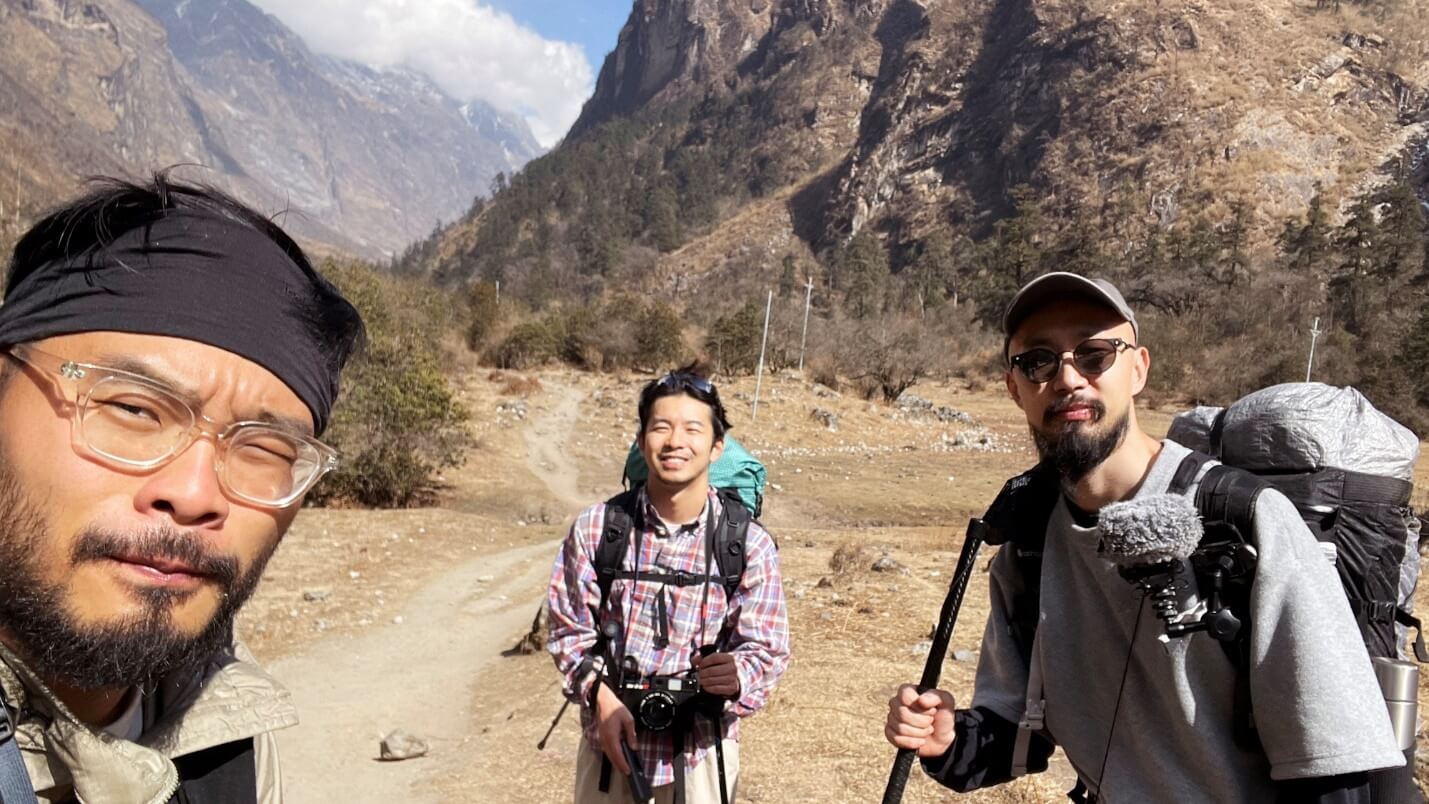
Since I had been doing podcasts ("Hyper Hardboiled Gourmet Report no vision" and "Kamide Ryohei NY Gochisouchou") for a while, I decided to continue recording this trip using field recording techniques. A voice recorder is lighter than carrying a large amount of heavy video equipment on a long trip.
Abe
Throughout the trip, Kamide-san was carrying a palm-sized fluffy microphone with a windshield on his shoulder, and to me and Taiga it looked like a bird was perched on it. It felt like a "travel companion" (laughs).
Yamada
It certainly feels like we're partners (laughs).
When Abe told me that he would be recording while traveling in addition to discussing the proposal, I thought that this would be a good fit for the "noon" project.
We thought of the materials as "resources of the earth," so we imagined it as if we were recording the sounds of the earth, and we had been thinking about how to convey "noon" and the "sounds of the materials" at the time.
Kamide
It was really rare, or maybe even miraculous, that we came across this just as we were talking about going on a sonic journey.
Yamada
Yes. At that time, I hadn't heard that the travel record would be published as a book, but it was a very good experience for us that the MPC journey was realized and led to that publication commemorative event. The sound source that was playing from the "noon" installed at the venue was exactly what Kamide-san had recorded with "Aibou".
Yamada
In preparing for the event, Abe-san mainly worked with us, Kamide-san came from New York, and Taiga-san came up with various ideas in between filming and location shoots.
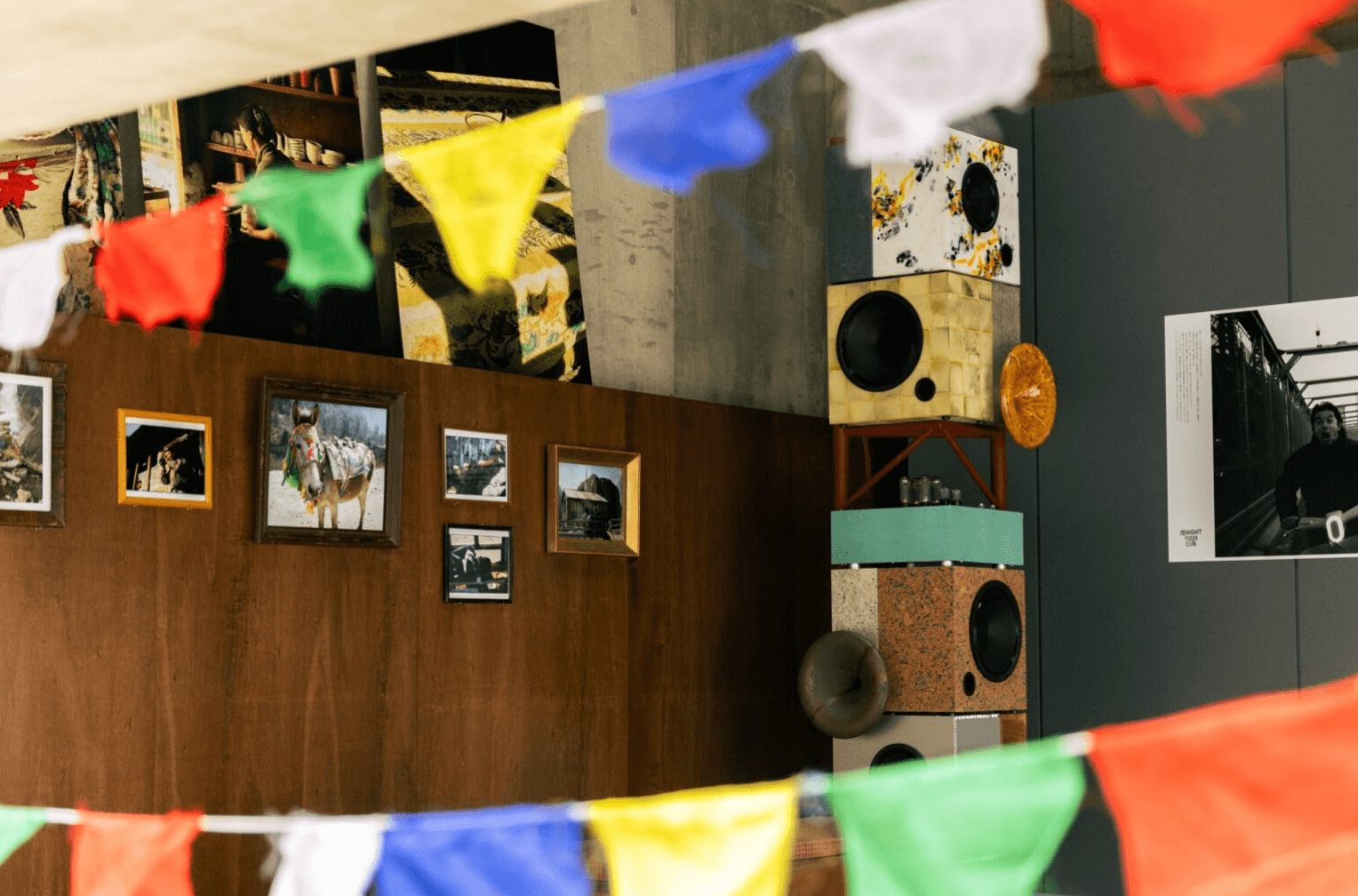
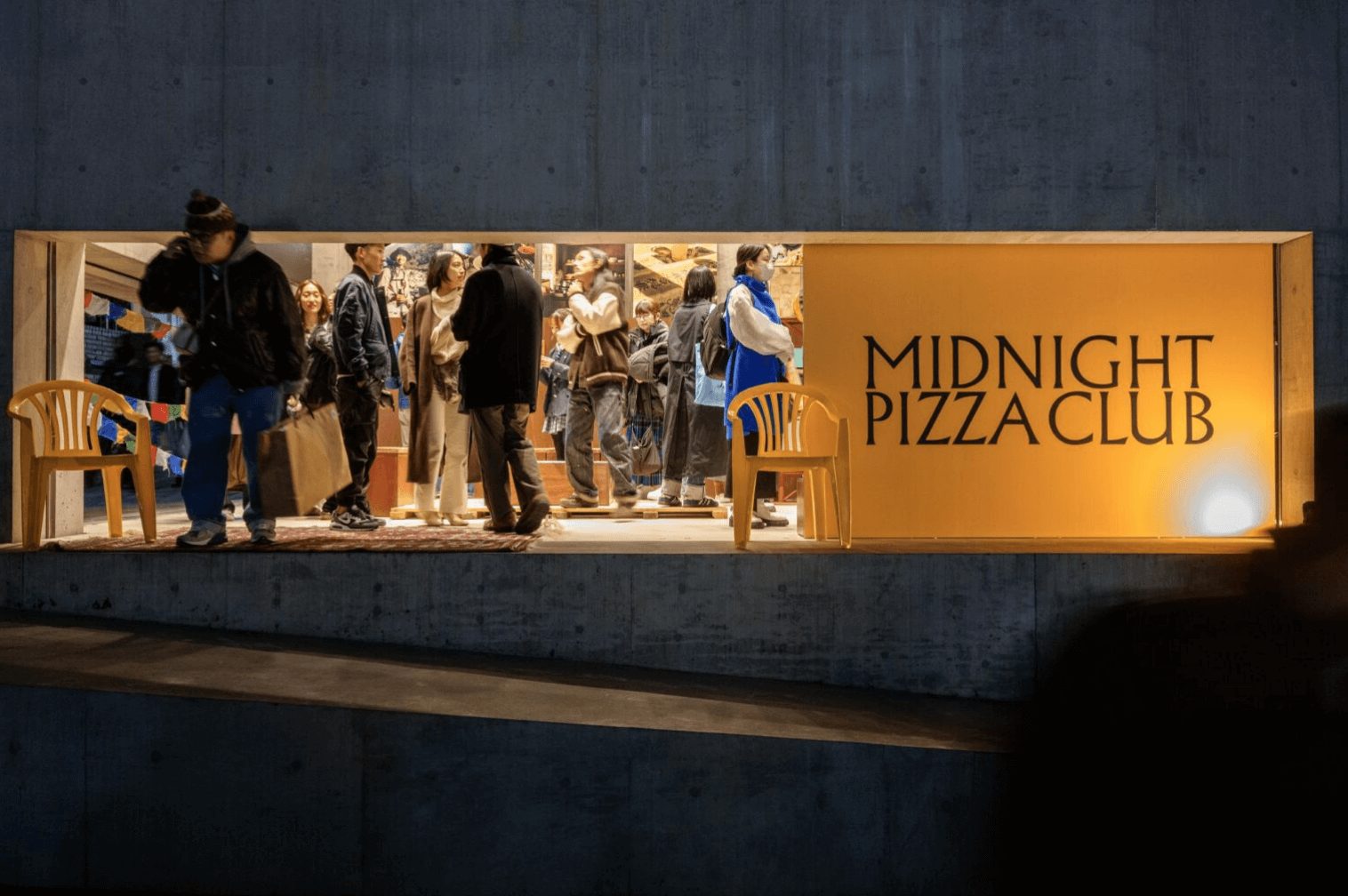
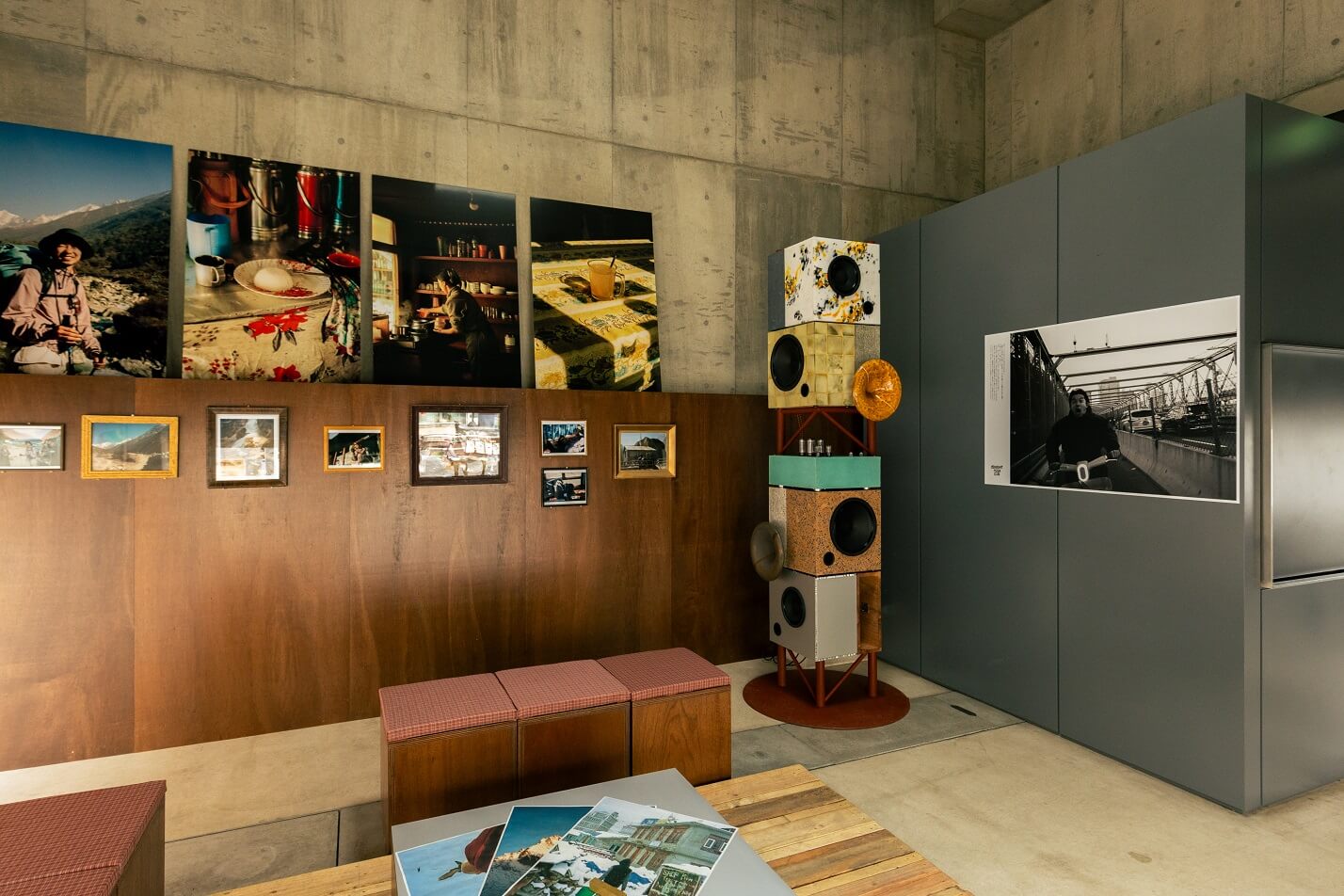
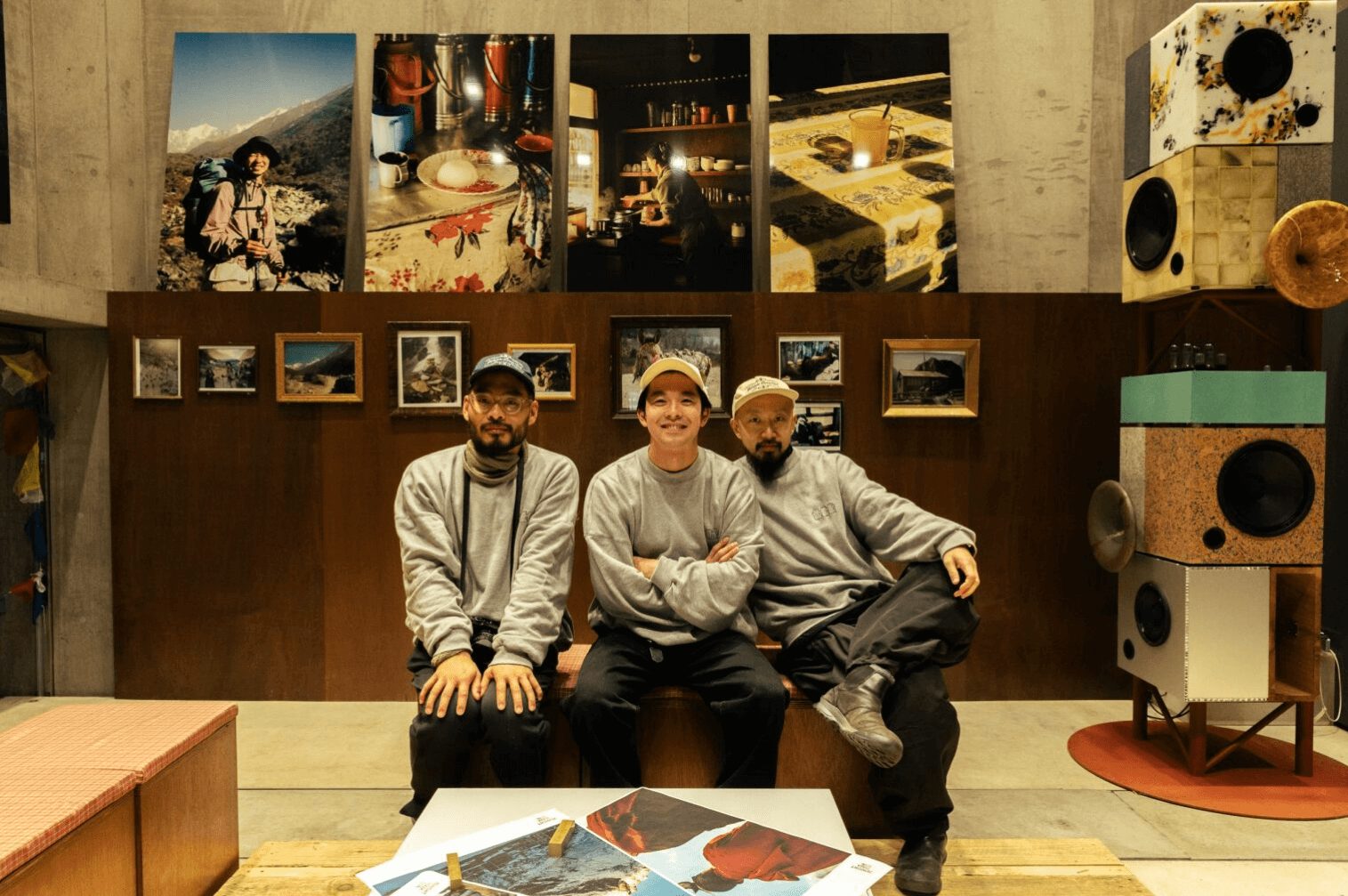
The "MIDNIGHT PIZZA CLUB Special Exhibition" was held from Friday, December 13th to Sunday, December 15th, 2024 at "StandBy," an installation space located along Cat Street in Jingumae, Tokyo.
Making the most of the semi-outdoor space, the space was reminiscent of a mountain hut in Nepal, and many photographs taken by Abe and Nakano were exhibited along with colorful tarchos. The "noon" speakers, placed like monuments, also matched the space perfectly, entertaining many visitors.
Abe
During and after the event, we received a ton of direct messages on MPC's Instagram. People said things like, "I went to Nepal after reading your book!" or "I went to Langtang Valley!" When I tried to bring the book to Langtang Valley, someone had already brought it there and left it there.
The two young people who asked me to sign their clothes had also been to Langtan Valley before the event.
Kamide
Yes, yes, there he was.
I think the feelings and reading experiences of people who enjoy our books will surely spread in a positive direction for the world. People want to go somewhere, talk to people, see things they've never seen before. If those thoughts lead to action, I think humanity will move in a positive direction.
Abe
I think that most of the people who went to Nepal or Langtang Valley after reading our book were not people who had always wanted to go there. But if this book inspires people to go on a trip, or if we can share even a little of the scenery of the places we found ourselves in, and if that experience spreads to the people around them, then as Kamide says, I think the world will slowly move in a better direction.
Yamada
Because the members of MPC travel to all parts of the world for their work, just reading their books and listening to their talks makes me feel like I have somehow traveled to Nepal and am reliving the experiences they had while they were there.
Kamide
I think when a person goes on a journey, it is an act of connecting themselves with the world.
For example, when we heard from a boy we met in a valley in Nepal about how glaciers had melted due to global warming and caused glacial lakes to burst, and about earthquakes that had engulfed villages, we felt a connection, so to speak, with the risks he and the valley he lives in. Just meeting a Vietnamese couple during the trip created a connection with the existence of Vietnam and Indonesia.
I think it's very important to learn about it in this way, even if it's just a little at a time, and to become involved and use your imagination. Then when you see something happening in Nepal, Vietnam, or Indonesia on the daily news, you can no longer remain indifferent.
It may sound cheap to say that I can imagine it, but I think that having many such experiences is actually very important for us as human beings. If everyone could do that, perhaps in extreme cases, war would disappear.
So I think the essence of a "journey" is for us to come into contact with other people and exchange words. But if I start with this story and tell people to read this book, they probably won't read it (laughs). So I made it into the format of a strange journey of three men, and prepared various things beyond that.
Yamada
What we realized through our own project "noon by material record" was the importance of expressing the core themes of the environment, resources and sustainability in a serious and straightforward manner, and of devising ways to express them in an intuitive way that we find fun and interesting, and to first get people interested and communicate with them.
Kamide
Yes, if you start with sustainability alone, people won't be that interested, and things won't move. But if there's something beyond "that sounds good," people will be more likely to wonder, "What is this?" and become interested.
In the past, I used to be very vocal about how TV programs should be made, or that TV today needs this, or that we should focus on this rather than the numbers, but in the end, it didn't amount to anything.
Sustainability is something that is so obvious that it shouldn't be necessary to shout about it. I often think about things like, "Let's eliminate poverty," "Quality education for everyone," and everything else written in the SDGs.
When we think about what has gone wrong, we realize that it is because the ability to create and experience interesting things and enjoy good things has somehow been separated from social issues and concerns such as sustainability and the elimination of poverty, and they are perceived as one or the other.
Each of these journeys will continue
The talk, which covered a wide range of topics, quickly drew to a close. The conversation then turned to their respective future plans.
MPC is currently holding panel exhibitions and talk events around the country on an irregular basis, and plans to publish books about the two subsequent journeys in due course.
There is also a possibility thata collaborative exhibition between "noon by material record" and MPCmay be held again.
Kamide
I think it would be a good idea to go out and do some field recording together. For example, the sound of the wind and the shapes of the trees that grow there are completely different at altitudes of 600 meters and 1200 meters, so the sounds you hear are completely different. Also, if you set up a tripod to record the sound of spring water and play it through the "noon" speaker, you might get a budget for it as a job (laughs).
original
That's good (laughs)
Abe
I also recommend that you and your team go on a three-day, two-night trek to Mount Kumotori (located at an altitude of about 2,000m on the border between Tokyo, Saitama, and Yamanashi). You will notice all sorts of things that you would never have trouble with in your daily life, such as not having a signal, wanting to eat ramen, or wanting to drink water.
Yamada
This may be especially true for people living in central Tokyo.
Also, what "rich" means to a person varies greatly depending on where and how they live. There is the "richness" of someone who travels to many different regions and is in touch with nature, and the "richness" of a city life where you can get anything you want right away and get anywhere comfortably. First of all, we need to continue thinking about what "richness" really is.
Kamide
For me, both in the city center and in Odaiba, where NOMURA Co., Ltd. is located, there is such a lack of soil that it feels strange.
I believe in earth and worship it because everything comes from the earth. If the entire earth's surface was covered in concrete, that would be the exact opposite of sustainability.
From the perspective of infectious diseases and hygiene, it can't be helped, but during the Edo period, human waste was used as important compost for agriculture and turned into money, but now it's almost all disposed of as garbage, and it's as if it never existed. Originally, everything was supposed to be recycled without waste.
Abe
That's true. Incidentally, among the cars currently running in India, there is one that was developed by a Japanese automobile company and runs on cow excrement. But I'm getting a little off topic (laughs).
We are not company employees, so we travel as a matter of course, but if you take a week off from work at some point in your life and just walk around Langtang Valley in Nepal, I think it will have a big impact on your life. I think it's best for the people who make things to experience it, and if you're interested, I'll organize a tour (laughs). I'm sure there are various reasons, but I think it's a waste to keep looking for reasons why you can't go.
Kamide
It's very simple, your life will change if you stop looking for reasons why you can't do something. And we take action before we start looking for reasons why we can't do something. I really think traveling is good, so I hope everyone will go on a trip if they can.
Later, Nakano Taiga shared his thoughts on this collaboration.
Nakano
I'm truly grateful to the "noon" team. This collaboration, which was finally realized after countless meetings in preparation for this exhibition, has become a truly memorable experience.
I imagine it was a very tedious task to have to listen to ideas that weren't even our ideas for an eternity (laughs).
However, I believe that the success of the event was due to their pursuit of a format that was as feasible as possible and would be enjoyable for visitors.
Looking back now, I think the fact that we recorded our journey using audio rather than video was also a factor in our miraculous connection to "noon."
What we saw on our trip to Nepal was not simply "mother nature". Rather, it was a trip to encounter "human activities" that coexist with nature. I couldn't help but worry about the garbage that was thrown out from the lives of those who lived in the mountains, and I also remember feeling a sense of waste in the midst of the beautiful scenery.
I have a feeling that Abe-chan made a suggestion like, "Let's take all the trash from Nepal back and turn it into speakers! For real!", but my memory of it is a little hazy.
However, at this event, hearing the sounds of our extraordinary journey play from the sustainable, ultra-cool speakers made me very excited, as it seemed to me like a collaboration with a future.
We look forward to another fun collaboration between MPC and the "noon" team someday. Thank you very much for this opportunity!
A special three-day journey where sound and materials intersect.
On the day when the next journey and the next material meet, noon will begin to ring in the scenery.
Text: naomi
Photo (at the time of the interview): Mariko Yamada
Planning and supervision: Yoshihisa Goto (Sustainable Design Lab)
Like this article?
- editor
-

-
Future Creation Research Institute
Research, creativity, and the future
Creative Research Institute